Voted Favorite Real Estate Attorney in Coral Springs by Readers Choice

Attorney-in-Coral-Springs

Reinfeld & Cabrera P.A. are proud and honored to have been voted favorite real estate attorney in Coral Springs by Readers Choice magazine for 2014. Readers Choice is a publication dedicated to bringing a focus on the people, the businesses, the schools and organizations that enrich the quality of your life in your community. It is for this reason that we feel privileged to have been recognized by Reader’s Choice and voted favorite real estate attorney in Coral Springs. As an attorney in Coral Springs we have made it our duty to ensure that our clients and community receive top priority and personal attention that they deserve.

While we have an already established practice in plantation, which we still consult from, our Coral Springs office only recently opened doors in June 2013. Although we are still considered a reasonably new attorney in Coral Springs we have extended our long-established practice of offering a free consultation and facilitation of house calls in necessary circumstances to our new location. We at Reinfeld & Cabrera P.A. have always endeavoured to provide the highest quality and most affordable legal representation to protect our client’s rights.

At Rienfeld & Cabrera P.A. there are few better than Michael A. Cabrera to turn to for advice concerning real estate law. From 1997 to 2001 Mr. Cabrera proudly served in the U.S. Army and Florida National Guard, after which he began his path toward becoming an attorney in Coral Springs. As a seasoned attorney in dealing with residential and commercial real estate law – including contract review, evictions, foreclosure defense, property damage, title disputes, short sales, and land lord tenant issues – Mr. Cabrera has extended his expertise to litigation involving real estate matters. Adding to this the fact that Mr. Cabrera is fluent in Spanish and English makes him a valuable asset to the community as an attorney in Coral Springs.

The next time you need legal advice regarding real estate issues do not hesitate to contact the law office of The Law Office of Reinfeld & Cabrera P.A. and make a time for your free consultation.

How Do I Evict a Family Member?

Coral Springs eviction attorneyEvicting a normal tenant can be a difficult procedure. However, if this unwanted tenant is a family member the process becomes even more difficult and emotionally taxing. To avoid an already trying situation from getting any worse, use an experienced Coral Springs eviction attorney to help you.

Eviction laws may differ from one state to the next, so if you want to evict a family member in the South Florida area, it is advisable to contact the experienced Coral Springs eviction attorneys at Reinfeld & Cabrera. Using an eviction attorney who practices in your area means that they will have specialised knowledge of the local law procedures and what is needed for an easy eviction process.

Here is a basic outline of what you and your eviction attorney will need to do and the process you will need to follow in order to evict a family member:

  • The first step is to issue a letter informing your family member that you would like them to vacate the premises within 15 days. You will also need to keep a copy of this letter. Consult an eviction attorney concerning the correct requirements that this letter will stipulate.
  • Next, if the family member still refuses to leave you can treat the eviction the same way as you would a normal tenant/landlord situation. You will have to file an eviction case in court. The eviction case is the landlord’s request or formal demand made to the County Court asking for the tenant to be evicted.
  • The court will then serve your family member with an eviction summons. They will have to appear in court to represent their case or else they will have to move out. If it goes to court, you will have to appear in court. This is where an eviction attorney can help you to get the outcome you want.
  • If you have an experienced Coral Springs eviction attorney on your side, your case should be pretty straightforward. You will then be issued a judgment of possession. Your family member will then have a few days to completely vacate the premises.

This should be the end of the process, however, in some cases the family member still refuses to leave. You can then discuss your options moving forward with your eviction attorney.

It is important to remember that if you have more than one family member over the age of 18 who you would like to evict, you will have to serve each one of them with a notice to evict and follow the same procedure.

Whatever the reason for you wanting to evict a family member, the process will be a lot easier and stress free if you consult with a knowledgeable Coral Springs eviction attorney.

What Happens When a Parent Violates a Parenting Plan in Florida?

Parents involved in a parenting plan dispute in Coral Springs, Florida

A Florida parenting plan is a court ordered set of rules governing how separated or divorced parents share responsibility for their children. It can address where a child stays, when each parent has time sharing, how exchanges take place, how parents communicate, school related decisions, holidays, travel, and other matters affecting the child.

Problems arise when one parent does not follow those terms.

A missed exchange may be an isolated mistake. Repeatedly refusing scheduled time sharing is a different situation. So is taking a child on a trip without complying with the parenting plan, refusing to provide required information, or interfering with the other parent’s communication with the child.

Florida law provides several ways to address these disputes. But a parent who believes a violation occurred still has to establish what the parenting plan required and what actually happened.


What Counts as a Parenting Plan Violation?

The answer depends on the language of the particular parenting plan.

Florida parenting plans can contain detailed provisions concerning time sharing, transportation, holidays, school breaks, extracurricular activities, communication, travel, and parental decision making. A parent may violate the plan by failing to follow one of those provisions.

Examples can include:

  • Refusing to release a child for scheduled time sharing.
  • Returning a child late without a legitimate reason.
  • Failing to follow the agreed exchange location or transportation arrangements.
  • Preventing scheduled telephone or electronic communication between the child and the other parent.
  • Failure to provide information or notice required by the parenting plan.
  • Interfering with the child’s scheduled activities when the plan requires participation.
  • Denying holiday or vacation time that belongs to the other parent.
  • Taking a child somewhere in violation of travel restrictions contained in the order.
  • Repeatedly disregarding other specific requirements of the court ordered plan.

The details matter. A parent who arrives thirty minutes late once is not necessarily in the same legal position as a parent who repeatedly refuses to make the child available for scheduled time sharing.

How the wording of the actual order is done matters too.


Does Every Violation Amount to Contempt?

No.

A violation of a parenting plan does not automatically mean that a parent is in contempt of court. Florida courts generally require more than proof that something went wrong.

In Merlihan v. Skinner, the Fourth District Court of Appeal addressed a contempt finding involving a parenting plan. The appellate court explained that a contempt finding requires evidence that the parent had the ability to comply with the order and willfully refused to do so. The court also emphasized that the underlying order must be sufficiently clear and precise for a person to know what compliance requires.

That distinction is important in practical terms.

Suppose a parenting plan says that a child will be exchanged at a particular location at a particular time. If a parent repeatedly refuses to make the exchange despite being able to do so, the evidence may support an enforcement or contempt proceeding.

But if the order itself is ambiguous, or circumstances made compliance impossible, the analysis can be different.

A court therefore has to look at the order, the circumstances surrounding the alleged violation, and the evidence presented by both parents.


What Can a Florida Court Do When Time Sharing Is Improperly Denied?

Florida Statutes section 61.13 provides specific remedies when a parent fails to honor the time sharing schedule established in a parenting plan.

Depending on the circumstances, the court may order:

  • Makeup time sharing for the parent who was improperly denied time.
  • Reasonable court costs and attorney’s fees.
  • A parenting course.
  • Community service in circumstances authorized by the statute.
  • Certain transportation related expenses.
  • Other reasonable sanctions.
  • Contempt proceedings.

Makeup time sharing can be particularly significant because the remedy can address the time that was actually lost.

For example, in Varner v. Varner, a parent was held in contempt after failing to comply with provisions governing exchanges. The court awarded the other parent 17 overnight visits as makeup time sharing.

That illustrates an important point about enforcement. The remedy does not necessarily stop at telling the offending parent to follow the order in the future. Depending on the circumstances, the court can attempt to restore parenting time that was improperly denied.


Attorney’s Fees Can Be Part of the Enforcement Remedy

Parenting plan disputes can also create substantial legal expenses.

Florida law allows a court to award reasonable attorney’s fees and costs in certain enforcement proceedings. The purpose is not simply to punish a parent for causing a dispute. The court considers the statutory requirements and the circumstances of the case.

A particularly concrete example appears in Lett v. Lett, a 2025 decision from Florida’s Fifth District Court of Appeal.

That case involved a long running dispute over compliance with a 50/50 parenting schedule. The record included multiple contempt proceedings concerning alleged violations of the parenting plan. The trial court ultimately found the mother in willful contempt and awarded the father makeup time sharing. It also awarded him $19,693.46 in attorney’s fees.

The appellate court affirmed the fee award.

This figure demonstrates how quickly repeated parenting plan litigation can become financially significant. It also shows why documenting individual incidents can matter when a dispute develops into a larger enforcement proceeding.


Child Support and Time Sharing Are Separate Obligations

One of the most common misconceptions in parenting disputes is that child support and time sharing can be used as bargaining tools against each other.

Generally, they cannot.

A parent who has not received child support does not ordinarily acquire the right to withhold the other parent’s court ordered time sharing. Likewise, a parent who has been denied time sharing does not ordinarily acquire the right to stop paying court ordered child support.

Florida law treats these obligations separately.

That means a parent dealing with unpaid child support should use the appropriate child support enforcement procedures rather than withholding the child’s scheduled time with the other parent.

The same principle applies in reverse. A parent whose time sharing is being denied should pursue the appropriate enforcement remedy rather than simply stopping child support payments.


A Parenting Plan Dispute in Broward County

Florida appellate decisions provide useful examples of what these disputes can look like in practice.

In Merlihan v. Skinner, the underlying case came from Broward County and the Seventeenth Judicial Circuit. The Fourth District Court of Appeal ultimately reversed a contempt ruling because the trial court had not made the necessary findings concerning the parent’s ability to comply and willful refusal to do so.

This case is useful because it shows why a parenting plan enforcement case is not simply a matter of one parent saying, “The other parent broke the rules.”

The court has to determine what the order required and whether the evidence establishes the legal requirements for contempt.

Other cases show different patterns.

Parent documenting parenting plan violations and time sharing dates in Broward County

For Thornton v. Thornton, the Fourth District addressed allegations involving several aspects of a parenting arrangement, including extracurricular activities, travel information, birthday time sharing, and communication between a parent and children. The case demonstrates how enforcement disputes can involve considerably more than missed weekend visits.

In Erlinger v. Federico, the First District reviewed a record involving approximately ten months without visitation and seven enforcement motions over a two year period. The record also stated that 84 days of visitation had been denied during 2016.

These numbers come from the particular court record. They are not statistics showing how frequently parenting plan violations occur throughout Florida. Florida does not appear to maintain a reliable statewide statistic measuring all parenting plan violations.

What the cases do show is that repeated interference can produce a substantial litigation record when the problem continues.


A Parenting Plan Can Be Too Vague to Enforce

Sometimes the problem is not simply that a parent refuses to follow the plan.

The plan itself may not say enough.

Florida law requires parenting plans to establish a time sharing schedule. If important provisions are too vague, parents can end up disagreeing about what the court actually ordered.

The Fifth District addressed this issue in Kiswani v. Hafza in 2025. The appellate court reversed because the parenting plan did not establish a sufficiently specific time sharing schedule as required by Florida law.

This creates an important distinction.

A parent cannot necessarily be held in contempt for violating an obligation that the order never clearly established.


As Stuart G. Reinfeld explains:

“A parenting plan should give both parents a workable understanding of what they are expected to do. When the language is vague or contradictory, disputes can become much harder to resolve because the parents may disagree about what the court actually ordered.”

For that reason, reviewing the exact wording of a parenting plan should usually be one of the first steps in an enforcement dispute.


What About Moving Away With a Child?

Relocation presents a separate legal issue.

Florida law contains specific procedures governing the relocation of a child. A parent generally cannot simply move the child a substantial distance and deal with the consequences afterward.

Florida’s relocation statute, section 61.13001, establishes requirements concerning proposed relocations and gives the other parent an opportunity to object. Depending on the circumstances, court approval may be required.

A parenting plan may also contain specific restrictions concerning travel outside Florida or outside the United States.

This is why “moving without notice” should not be treated as merely another ordinary parenting plan violation. Relocation can trigger its own statutory procedures and remedies.


In Fuentes Neira v. Cardona Acosta, the Third District considered an arrangement involving relocation between Miami and Colombia. The court concluded that the agreement did not satisfy Florida’s statutory requirements for a relocation agreement because it did not adequately establish the required time sharing schedule and transportation arrangements.

For families in South Florida, international travel and relocation can create particularly complicated questions because the practical consequences may extend beyond the ordinary exchange schedule.


What Evidence Matters in a Parenting Plan Dispute?

A parenting plan enforcement case often turns on details.

The strongest evidence is usually evidence that allows the court to compare the written order with what actually happened.

Depending on the dispute, useful records may include:

  • The current parenting plan and any later court orders modifying it.
  • Text messages, emails, or other communications between the parents.
  • Records showing scheduled and actual exchanges.
  • School or extracurricular records.
  • Travel information and notices.
  • Calendars documenting missed or changed time sharing.
  • Receipts or other records showing transportation expenses.
  • Records concerning repeated requests to exercise scheduled time sharing.
  • Evidence concerning attempts to resolve the problem before filing a motion.
  • Documentation showing why compliance was impossible, if that is the position of the parent accused of violating the order.

A chronological record can be particularly useful.

Instead of simply stating that the other parent “always violates the parenting plan,” it is usually more informative to identify the date, the provision involved, what was supposed to happen, what actually happened, and what communications followed.

That gives the court something concrete to evaluate.


What If the Violations Keep Happening?

Repeated violations can change the nature of the dispute.

A single incident may be resolved without extensive litigation. A continuing pattern can require formal enforcement.

Florida courts have several possible remedies available under section 61.13, including makeup time sharing, fees and costs, sanctions, and contempt where the legal requirements are satisfied.

But repeated violations do not automatically mean that the existing parenting plan should be replaced.

Sometimes enforcement is the appropriate issue.

Other times, circumstances have changed so substantially that the existing schedule no longer works for the child or the parents. In that situation, a modification proceeding may be more appropriate.

Those are different legal questions.

A parent should not simply stop following the existing order because they believe a different arrangement would be better. Until a court changes the order, the existing order generally remains the governing requirement.


What Should You Do After a Parenting Plan Violation?

The first step is to identify exactly what happened.

Review the current parenting plan and determine which provision applies. Then preserve the communications and other records relating to the incident.

It can also help to separate an isolated problem from a continuing pattern.

Consider documenting:

  1. What the parenting plan required.
  2. So – what happened instead.
  3. When it happened.
  4. Whether the other parent provided an explanation.
  5. Did the problem affected scheduled time sharing or another specific obligation.
  6. Whether similar incidents happened before.
  7. What steps were taken to resolve the issue.

Not every disagreement requires a court filing. Parents sometimes resolve individual scheduling problems through communication or an agreed temporary change.

But repeated violations, denied time sharing, interference with commnication, relocation disputes, or conduct that continues despite attempts to resolve the problem may require legal enforcement.

Before taking action, it is also important to determine whether the existing order is clear enough to enforce and whether the facts support enforcement, contempt, modification, or another legal remedy.


A Word From Alan J. Reinfeld

“When a parenting plan dispute reaches the point where a court may become involved, the details matter. The question is not simply whether one parent believes the other acted unfairly. The court needs to know what the order required, what actually happened, and whether the circumstances support enforcement or a change to the existing plan.”

broward-county-parenting-plan-violation-evidence

Frequently Asked Questions

Can I withhold visitation because the other parent is not paying child support?

  • Generally, no. Child support and time sharing are separate obligations. A parent should use the appropriate legal process to enforce unpaid child support rather than withholding court ordered parenting time.

Could I stop paying child support because the other parent is denying visitation?

  • Mostly, no. A denied parenting schedule does not ordinarily eliminate a separate child support obligation.

A parent can be held in contempt for violating a parenting plan?

  • Potentially, yes. But a violation does not automatically establish contempt. The court must consider the requirements for contempt, including whether the order was sufficiently clear and whether the parent had the ability to comply and willfully refused to do so.

Can I get makeup time if the other parent denied my scheduled time?

  • Florida law allows courts to award makeup time sharing in appropriate circumstances when a parent fails to honor the established time sharing schedule.

Can I recover attorney’s fees?

  • Maybe. Florida law allows attorney’s fees and costs in certain parenting plan enforcement proceedings. The amount and whether an award is appropriate depend on the circumstances and applicable statutory requirements.

What if the parenting plan is unclear?

  • An unclear parenting plan can make enforcement more difficult. Florida courts have emphasized the need for sufficiently specific parenting plans and court orders, particularly when contempt is being considered.

What if the other parent repeatedly violates the parenting plan?

  • Repeated violations may support a request for enforcement and, when the legal requirements are met, contempt or other remedies. If circumstances have changed, a modification proceeding may also need to be considered.

So if the other parent wants to move with our child?

  • Relocation is governed by specific Florida statutes. The legal process can depend on the proposed distance, the existing parenting arrangement, the other parent’s position, and whether an agreement can be reached.

Parenting Plan Enforcement in Coral Springs and Broward County

For parents in Coral Springs, Broward County, and the surrounding South Florida area, a parenting plan dispute can involve much more than a disagreement over a particular weekend.

The appropriate response depends on the language of the existing order, the history of the dispute, the evidence available, and the legal remedy being sought.

At My Personal Attorneys, parenting and family law matters can be evaluated in the context of the specific court orders and circumstances involved. If a parenting plan is being repeatedly ignored, time sharing is being denied, or circumstances have changed and the existing arrangement may no longer work, reviewing the situation with a Florida family law attorney can help determine what legal options are available.

Should I Get a Divorce? Questions to Consider Before Filing in Florida

Adult considering divorce while reviewing personal documents at home in Coral Springs, Florida

Deciding whether to get a divorce is rarely a simple decision.

There may be children involved. Maybe a house, retirement accounts, debt, or a business. There may also be years of shared finances and family decisions that cannot be untangled overnight.

The legal question is somewhat simpler.

If you decide to end your marriage, what would the process actually involve?

For people in Coral Springs and Broward County, Florida law provides the framework. But the practical consequences depend on the circumstances of each family.

Before filing, it can help to look at a few basic questions.


Does Florida Allow Me to File for Divorce?


Florida calls divorce a dissolution of marriage.

To file for dissolution in Florida, at least one spouse must have lived in Florida for at least six months before filing. Florida law generally allows a dissolution when the marriage is irretrievably broken.

That means you generally do not have to prove that your spouse cheated, abandoned you, or otherwise caused the marriage to fail.

You do, however, have to meet the legal requirements for filing.

The six month residency requirement is one of them.


What Should I Think About Before Filing?

You do not need to have your entire post divorce life planned before speaking with an attorney.

It is still useful to understand what could change.

Ask yourself:

  • Where will each spouse live?
  • What happens to the marital home?
  • How will the children spend time with each parent?
  • What happens to bank and investment accounts?
  • How will marital debts be divided?
  • Could alimony be an issue?
  • How will child support be calculated?
  • Are there retirement accounts or business interests?
  • Can you and your spouse realistically negotiate an agreement?
  • Are there safety, financial control, or other circumstances that make direct negotiations difficult?

These questions can expose issues that are easy to overlook.

Divorce has a peculiar talent for turning ordinary household questions into legal questions. “Who keeps the house?” can become a discussion about valuation, equity, mortgage obligations, taxes, and equitable distribution.

The couch is usually easier.


What Happens to Property and Debt?

Florida uses equitable distribution when dividing marital assets and liabilities.

That does not simply mean dividing everything down the middle.

Florida law begins with the premise that marital assets and liabilities should be distributed equally. But the court can order an unequal distribution when the circumstances justify it. The statute lists factors including each spouse’s contributions, economic circumstances, the length of the marriage, career interruptions, business interests, the marital home, and certain forms of dissipation or depletion of marital assets.

That distinction can matter considerably.

A couple may believe they have a simple 50/50 division. Then someone asks what the house was worth when the case began. Or how a retirement account should be divided. Or whether a business interest is marital. Suddenly the arithmetic has become considerably less friendly.

A Broward County Example

In Kranci v. Kranci, the Fourth District Court of Appeal reviewed a dissolution case from Broward County involving the value of the marital home, equitable distribution, attorney’s fees, and alimony.

The wife had challenged the valuation used for the marital home. The appellate court reversed portions of the judgment and sent the case back for further proceedings concerning equitable distribution, attorney’s fees, and alimony.

The case illustrates why financial assumptions made during a divorce can have lasting consequences.

A house is not simply “the house.”

Its value, mortgage, ownership, timing, and treatment within the overall distribution can all matter.


What If We Have Children?

Divorce does not end either parent’s responsibilities to the children.

Florida uses parental responsibility, parenting plans, and time sharing to address these issues. A parenting plan can establish how parents share decision making, where children spend their time, transportation arrangements, school matters, health care, communication, holidays, and other practical details.

The questions can be very specific:

  • Who handles school pickups?
  • Where does the child spend holidays?
  • How are medical decisions made?
  • When are extracurricular activities handled?
  • Who provides transportation?
  • How do parents communicate with the child when the child is with the other parent?

If the parents agree, they can propose a parenting plan.

If they do not, the court may have to establish one.

For parents considering divorce, this is often one of the areas worth thinking through before filing. A schedule that looks fine on paper may be difficult to live with once school, work, transportation, and holidays enter the picture.


Could Alimony Be Part of the Case?

Alimony can be another major issue.

Whether alimony is appropriate depends on the circumstances of the spouses and Florida’s statutory requirements. Factors can include the requesting spouse’s need, the other spouse’s ability to pay, the length of the marriage, and other circumstances recognized by law.

A recent Broward County case illustrates how fact specific this can become.

In Loconto v. Loconto, the Fourth District considered a 50 year marriage. The trial court had awarded only limited alimony, and the appellate court reversed that portion of the judgment after concluding that the former wife had demonstrated additional need and that the former husband had the ability to pay under the applicable statute.

That does not mean that a long marriage automatically produces a particular alimony result.

It shows something more useful: the financial circumstances of the spouses matter, and the details of a case can change the analysis.

Spouse reviewing household finances and property documents during divorce planning in Broward County, Florida

Do I Need a Divorce Attorney?

Not necessarily.

Florida provides procedures and forms for people who represent themselves. It also has a simplified dissolution procedure for couples who meet specific requirements.

A simplified dissolution is limited, however. Among other requirements, the spouses must agree that the marriage cannot be saved, have no qualifying minor or dependent children together, agree on their assets and liabilities, not seek alimony, sign the petition, and meet other procedural requirements.

If those requirements are not met, the couple must use the regular dissolution process.

The important distinction is between filing paperwork and understanding what the paperwork means.

A relatively simple uncontested divorce may not require the same level of legal involvement as a case involving a business, substantial assets, contested parenting issues, retirement accounts, significant debt, or alimony.


What About Mediation?

Mediation can be another way to resolve disagreements.

A mediator is neutral. This figure does not represent either spouse.

The goal is to help the parties reach an agreement rather than having a judge decide every disputed issue.

Mediation can work well when both spouses are willing to negotiate in good faith and have enough information to understand the issues.

It is not a substitute for understanding the agreement.

If a proposed settlement divides a house, retirement account, business interest, debt, or future support obligations, those terms deserve careful attention before anyone signs.


What Should I Know About a Marital Settlement Agreement?

A Marital Settlement Agreement, or MSA, is the written agreement that can resolve some or all of the issues in a divorce.

There is no universal five item checklist that fits every marriage.

Depending on the circumstances, an MSA may address:

  • Property and debt.
  • The marital home.
  • Retirement accounts.
  • Business interests.
  • Alimony.
  • Child support.
  • Parenting responsibility.
  • Time sharing.
  • Insurance.
  • Other financial obligations.

Once an agreement is incorporated into a final judgment, changing it may not be as simple as changing your mind.

That is why the agreement deserves attention before it is signed.


What Should I Do Before Filing?

You do not need to secretly prepare for war.

But you do need to understand your financial and family situation.

Gathering basic information can help:

  • Recent bank and investment statements.
  • Mortgage information.
  • Tax returns.
  • Retirement account statements.
  • Insurance information.
  • Business records, if applicable.
  • Major household debts.
  • Information about the marital home and other real estate.
  • Records concerning the children’s expenses.

This is especially important if you do not have a clear picture of the family’s finances.

Understanding the finances is not the same thing as hiding assets or moving money around. It is preparation for an accurate discussion of what exists and what may need to be divided.

If there are concerns about domestic violence, threats, coercive financial control, or immediate safety, the situation may require a different approach.


What If I Am Still Unsure?

You do not have to decide whether divorce is personally right for you based on a legal checklist.

That is a personal decision.

A lawyer can, however, help answer a different question:


What would divorce mean in my particular circumstances?

As Alan J. Reinfeld explains:

“Before deciding whether to file, it is important to understand what the divorce would actually involve. The legal issues can be very different from one family to another, particularly when children, significant assets, or financial support are involved.”

That information can be useful even if you ultimately decide not to file.

Stuart G. Reinfeld similarly emphasizes the importance of looking at the practical consequences before an agreement is reached:

“People sometimes focus on getting the divorce finished before they have considered how the agreement will work six months or a year later. A settlement needs to make sense in real life, not only on the day it is signed.”


Questions to Ask Before Filing for Divorce

Before taking the next step, consider whether you understand:

  • Whether you meet Florida’s residency requirement.
  • You have children whose schedules and expenses will need to be addressed.
  • What property and debts may be marital.
  • Can alimony could be an issue.
  • Could you and your spouse can negotiate.
  • Maybe mediation might help.
  • Perhaps your situation is simple enough for self representation.
  • Whether there are financial or safety concerns that require legal advice.

You do not need to answer every question yourself.

Sometimes the most useful first step is simply finding out which questions actually apply to your situation.

Divorce mediation discussion about parenting and family arrangements in Coral Springs, Broward County

Divorce in Coral Springs and Broward County

For couples in Coral Springs and throughout Broward County, Florida’s divorce laws provide the legal framework. The facts of the individual marriage determine how those laws apply.

Some divorces can be resolved through an agreement.

Others involve disputes over property, finances, children, or support that require substantially more work.

The important thing is to understand the difference before making decisions that may be difficult to undo.

If you are considering divorce in Coral Springs or elsewhere in Broward County, a Florida family law attorney can review your circumstances and explain the legal issues that may need to be addressed before you decide how to proceed.


Frequently Asked Questions

Do I have to prove that my spouse did something wrong to get a divorce in Florida?

  • Generally, no. Florida law provides for dissolution when the marriage is irretrievably broken, subject to the statutory requirements.

How long do I have to live in Florida before filing?

  • At least one spouse must have resided in Florida for at least six months before filing.

Can I get divorced without an attorney?

  • Florida provides procedures for people who represent themselves. Whether that makes sense depends on the complexity of the case.

Could we get divorced without going to trial?

  • Yes. If spouses reach an agreement and satisfy the applicable requirements, a divorce may proceed without requiring a judge to decide every disputed issue.

Is everything divided 50/50?

  • Not necessarily. Florida begins with equal distribution of marital assets and liabilities but permits an unequal distribution when justified by the statutory factors.

What happens to our children?

  • The divorce process addresses parental responsibility, time sharing, and other issues through a parenting plan. The court considers the child’s best interests when these issues are disputed.

Is mediation the same as having a lawyer?

  • No. A mediator is neutral. An attorney represents one spouse and provides that spouse with legal advice.

What if I am not sure I want a divorce?

  • You can seek legal information without immediately filing. Understanding the financial and legal consequences may help you make a more informed personal decision.

Contact My Personal Attorneys to discuss your circumstances with a Florida family law attorney.

Do I Hire a Paralegal or An Attorney for My Divorce?

divorce-attorneys

Divorce can involve major decisions about your property, finances, children, and future. One of the first questions many people ask is whether they should hire a paralegal or a divorce attorney.

The answer depends largely on how complicated your divorce is and whether you and your spouse agree on the major issues.

A paralegal may be able to provide administrative or document-related assistance under the supervision of a Florida attorney. However, a paralegal cannot provide independent legal advice or represent you in court. A Florida divorce attorney can explain your legal rights, advise you about your options, negotiate with your spouse or their attorney, prepare legal documents, and represent you in court when necessary.

For a simple, uncontested divorce, limited assistance with paperwork may be appropriate in some circumstances. If your divorce involves disagreements about children, property, alimony, child support, retirement accounts, or other significant issues, speaking with a divorce attorney is generally much more important.


What Is the Difference Between a Paralegal and a Divorce Attorney?

The most important difference is legal judgment and representation.

Under the Rules Regulating The Florida Bar, a paralegal is a person with appropriate education, training, or work experience who performs specifically delegated legal work under the supervision of an attorney who is responsible for that work.

A paralegal can assist an attorney with tasks such as:

  • Preparing and organizing documents
  • Conducting legal research under attorney supervision
  • Organizing information and records
  • Assisting with forms and administrative tasks
  • Supporting an attorney during a divorce case

A paralegal cannot independently provide legal advice, determine what legal strategy you should pursue, or represent you in court.

A divorce attorney, by contrast, is licensed to practice law in Florida and can provide legal advice, exercise professional legal judgment, negotiate on your behalf, and represent you in court.


Does Florida License Paralegals?

The Florida Bar does not license paralegals in the same way it licenses attorneys.

Florida does have a voluntary Florida Registered Paralegal program, but registration is not the same thing as a Florida law license. Paralegals working for attorneys are also subject to attorney supervision and responsibility.

This distinction matters when someone is considering hiring an independent person to help with a divorce.

A nonlawyer cannot simply provide legal advice because they have experience preparing divorce documents. Florida’s rules place significant limits on what nonlawyers can do for members of the public.

If you need someone to explain your legal rights, recommend a legal strategy, or advise you about what you should agree to in your divorce, those are questions for a licensed Florida attorney.


When Might a Paralegal Be Enough for a Divorce?

Some divorces are relatively straightforward.

For example, you and your spouse may:

  • Agree that the marriage should end
  • Agree about how to divide your property and debts
  • Have no minor children
  • Agree about financial issues
  • Have no significant dispute over alimony
  • Be willing to sign the necessary documents
  • Have no major disagreement requiring a court to intervene

In a situation like this, the amount of legal conflict may be limited.

However, even an uncontested divorce involves legal documents and decisions with long-term consequences. A person helping with paperwork cannot replace an attorney’s legal judgment.

Filling out a form and determining what you should agree to are two very different things.


When Should I Hire a Divorce Attorney?

An attorney becomes particularly important when you and your spouse disagree about significant issues.

You should strongly consider speaking with a divorce attorney if your case involves:

Children

If you and your spouse have children, your divorce may involve decisions about:

  • Parenting time
  • Parental responsibility
  • A parenting plan
  • Child support
  • Health insurance
  • Education
  • Travel and relocation
  • Other child-related expenses

These decisions can affect your family long after the divorce is finalized.

Property and Debts

Dividing marital assets can become complicated when a couple owns:

  • A home or other real estate
  • Businesses
  • Investment accounts
  • Retirement accounts
  • Vehicles
  • Significant personal property
  • Joint debts
  • Separate property that may have become commingled

Determining what is marital property and how it should be divided may require careful legal and financial analysis.

Alimony

Alimony can become one of the most significant financial issues in a Florida divorce.

If either spouse is requesting alimony, disputing an alimony claim, or concerned about long-term financial obligations, legal advice can help clarify the issues before an agreement is signed.

A Contested Divorce

If your spouse has hired an attorney, refuses to cooperate, or disagrees with you about major issues, a paralegal cannot represent your interests in the dispute.

A contested divorce may involve negotiations, motions, hearings, discovery, mediation, and potentially a trial. These are situations in which professional legal representation can become particularly important.

Domestic Violence or Serious Conflict

If there are allegations of domestic violence, threats, coercion, or other serious conflict between spouses, obtaining legal advice promptly can be especially important.

These circumstances may affect issues involving safety, communication, parenting, temporary orders, and other aspects of the divorce.


Can a Paralegal Give Me Legal Advice About My Divorce?

No. A paralegal cannot independently provide legal advice in Florida.

This is one of the clearest differences between hiring a paralegal for administrative assistance and hiring a divorce attorney for legal representation.

A paralegal working for a law firm can perform substantive legal work as part of the attorney’s representation of a client, but the supervising attorney remains responsible for the legal matter.

If you need advice about what your rights are, what you should agree to, what strategy makes sense, or what could happen if you go to court, you should speak with a licensed attorney.


Is a Paralegal Cheaper Than a Divorce Attorney?

A paralegal may charge less for certain administrative or document-related services, but the lowest upfront cost is not necessarily the lowest overall cost.

A mistake in a divorce agreement can have consequences involving property, support, taxes, retirement accounts, or parenting arrangements. Once a final judgment or agreement is entered, correcting a problem may be significantly more difficult than addressing the issue before the divorce is finalized.

For that reason, the better question is not simply:

“How much does a paralegal cost?”

It is:

“What level of legal assistance does my divorce actually require?”

A relatively simple uncontested divorce and a contested divorce involving children, substantial assets, or alimony present very different legal issues.


Can I Use a Paralegal for an Uncontested Divorce?

Possibly, but it is important to understand what the paralegal can and cannot do.

If you and your spouse have already reached an agreement, a nonlawyer may be able to provide limited assistance with certain forms under Florida’s rules. However, that person cannot substitute for an attorney when you need individualized legal advice or legal judgment.

If you are unsure whether your agreement protects your interests, having a Florida divorce attorney review the situation before you sign or finalize anything may be worth considering.


What If My Divorce Starts Out Uncontested but Becomes Contested?

This happens.

A couple may initially agree on the major issues and begin the divorce expecting a simple process. Disagreements can emerge later over property, parenting time, support, debts, or the wording of the final agreement.

Once a disagreement becomes significant, the need for legal advice can change quickly.

For example, an apparently simple dispute over a house may raise questions about equity, marital and nonmarital interests, mortgage obligations, or how the property should be handled in the final settlement.

Likewise, an agreement about parenting time may become more complicated when one parent wants to relocate or the parents disagree about major decisions concerning their children.

Getting legal advice early can help you understand these issues before a disagreement becomes more difficult to resolve.


Paralegal or Divorce Attorney: Which Do You Need?

The answer depends on your circumstances.

Your situationConsider
You and your spouse agree on essentially everythingLimited document assistance or an attorney consultation
You have no significant assets or debtsA simpler process may be possible
You have minor childrenConsider consulting a divorce attorney
You disagree about parentingDivorce attorney
You disagree about child supportDivorce attorney
Alimony is an issueDivorce attorney
You own a home or substantial assetsDivorce attorney
Retirement accounts or business interests are involvedDivorce attorney
Your spouse has hired an attorneyDivorce attorney
Your spouse refuses to cooperateDivorce attorney
Your divorce is becoming contestedDivorce attorney
You need advice about your legal rightsDivorce attorney

The more issues that require legal judgment, negotiation, or court intervention, the more important it becomes to have an attorney representing you.


Speak With a South Florida Divorce Attorney

Divorce does not have to become a courtroom battle, and not every divorce requires the same level of legal representation. But deciding whether you need an attorney should depend on the facts of your case rather than simply on the desire to reduce upfront costs.

If your divorce involves children, substantial property, alimony, disagreements with your spouse, or any issue you do not fully understand, a consultation with a Florida divorce attorney can help you understand your options before you make decisions that may be difficult to change later.

Reinfeld & Cabrera, P.A. represents clients in divorce and family-law matters throughout South Florida, including Coral Springs, Fort Lauderdale, and Broward County.


Coral Springs Office

Reinfeld & Cabrera, P.A.
10235 W. Sample Rd., Suite 209
Coral Springs, FL 33065

Phone: (954) 866-HURT
(954) 866-4878

Fort Lauderdale Office

Reinfeld & Cabrera, P.A.
2933 W. Cypress Creek Rd., Suite 201
Fort Lauderdale, FL 33309

Phone: (954) 371-0499

If you are considering divorce in Coral Springs, Fort Lauderdale, Broward County, or elsewhere in South Florida, contact Reinfeld & Cabrera, P.A. to discuss your circumstances and learn what type of legal assistance may be appropriate for your case.


Frequently Asked Questions

Is it better to hire a paralegal or an attorney for divorce?

  • It depends on the circumstances. A paralegal working under an attorney can assist with delegated legal work, but cannot independently provide legal advice or represent you in court. If you need advice about your rights, legal strategy, property, support, children, or contested issues, you should speak with a Florida divorce attorney.

Can a paralegal represent me in divorce court in Florida?

  • No. A paralegal is not licensed to practice law and cannot independently represent you in a Florida divorce proceeding.

Can a paralegal give me advice about what I should agree to in my divorce?

  • No. Florida rules prohibit nonlawyers from independently providing legal advice or advising a person about legal remedies or courses of action.

Does Florida require paralegals to have a license?

  • No. The Florida Bar does not license paralegals. Florida has a voluntary Florida Registered Paralegal program, while paralegals working for attorneys are subject to attorney supervision and responsibility.

Do I need a divorce attorney if my divorce is uncontested?

  • Not necessarily. Some uncontested divorces may involve relatively limited legal assistance. However, an uncontested divorce can still involve important decisions about property, debts, support, and children. If you are unsure about your rights or the consequences of an agreement, consulting a divorce attorney can help you make an informed decision.

What if my spouse already has a divorce lawyer?

  • You should consider obtaining your own legal advice. Your spouse’s attorney represents your spouse, not you. A paralegal cannot serve as your independent legal representative in a contested divorce.

Can I start my divorce without an attorney and hire one later?

  • Depending on your circumstances, you may be able to represent yourself initially and obtain an attorney later. However, waiting can create problems if important agreements are signed or legal deadlines are missed. If your case involves significant assets, children, support, or a dispute with your spouse, obtaining legal advice early can help you understand the process before those issues become more difficult to resolve.

Preplanning Arrangements – Funeral and Estate Planning

Elder-law-attorney

Elder law attorney Alan J. Reinfeld from Reinfeld & Cabrera, PA. is experienced when it comes to helping you with your preplanning arrangements. While preplanning is a highly recommended practice when it comes to your funeral arrangements and estate planning it also comes with its pitfalls. The knowledgeable elder law attorneys at Reinfeld & Cabrera will be able to help you with all considerations to ease you and your family through this difficult process.

Preplanning arrangements are fantastic when it comes to making sure that your family does not have to worry about your funeral or estate after you are gone. It also ensures that your wishes are carried out and that there are sufficient funds left to finance your funeral and cover any other costs that may occur. However, you will need to consult a good elder law attorney to make sure that all of your bases are properly covered and that your preplanning arrangements are legally and financially sound. It is an unfortunate reality that many people try to take advantage of the elderly and the emotional stresses of preplanning by offering unsound legal advice or general preplanning documents which are not tailored to suit your specific needs. It would be a shame for all your preplanning arrangements to go to waste for an issue which could have easily been avoided by referring to a qualified elder law attorney.

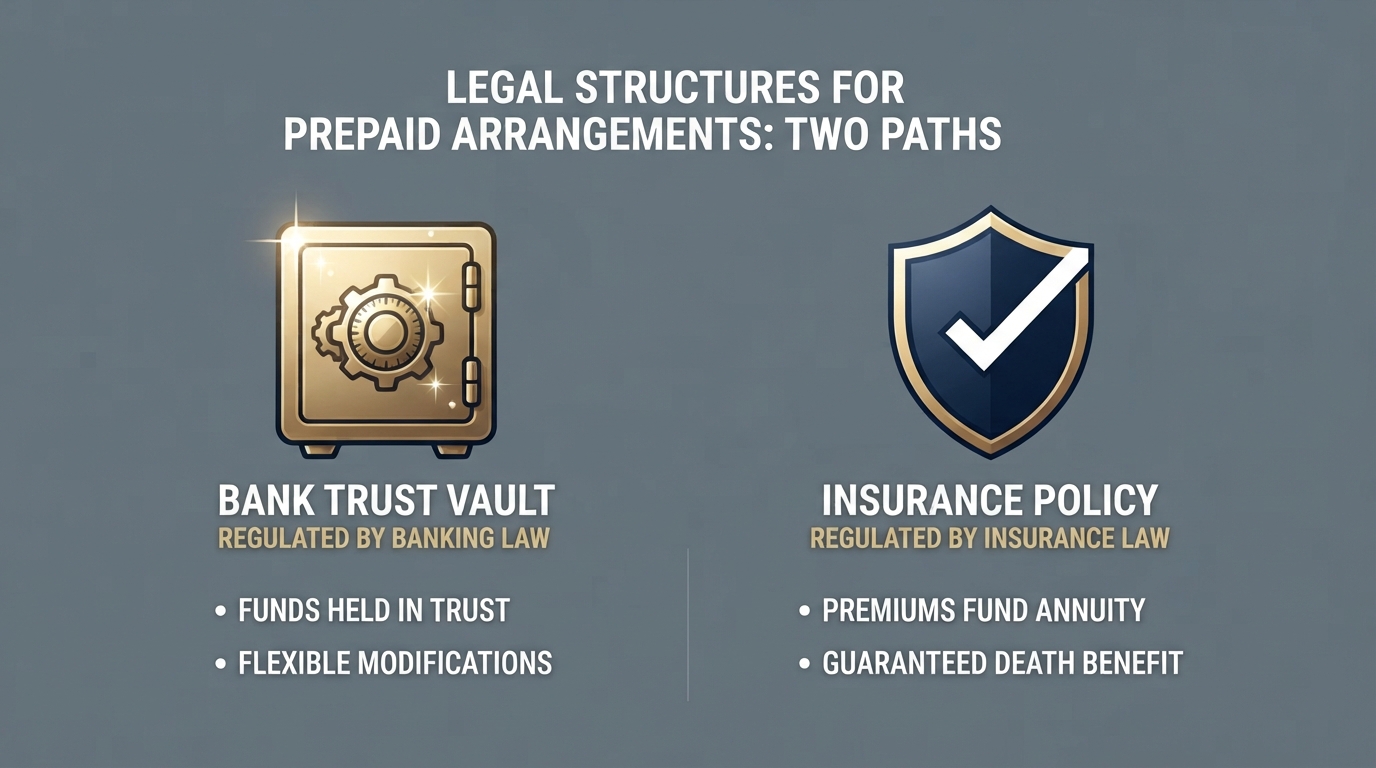
A massive pitfall of the preplanning process is the prepaying of services. Recently, some services offering preplanning and prepaying programs have been found to misuse and misspend the money entrusted to them. To prevent this potentially devastating event from occurring, it is prudent that you seek advice from a trusted elder law attorney concerning finding a preplanning and prepaying option which will save you and your family unnecessary costs.

Whatever your decision or wishes are when it comes to preplanning arrangements for your funeral and estate, the attorneys at Reinfeld & Cabrera always have your best interests at heart and will help you through this immensely emotional process.

What is Guardianship?

Guardianship-Attorney

If you have found yourself wondering “what is guardianship?” then you need the help of a guardianship attorney from Reinfeld & Cabrera P.A. Guardianship is an extremely important legal aspect of life that requires deep thought. With the assistance of a guardianship attorney you will be ensuring that the guardianship over you and your loved ones will be in the best of hands. Without a guardianship attorney by your side you could run the risk of leaving this significant legal aspect up to the courts, who essentially are strangers to you and your loved ones.

Firstly it is important to understand what a guardian is. As per the Florida State Court a guardian is a “replacement decision-maker appointed by the court to make either personal and/or financial decisions for a minor or for an adult with mental or physical disabilities”. In understanding what a guardian is, you should now realize that there are two types of guardianship roles that need to be considered.

1. Guardianship over a minor:
As your child’s parents you will be your child’s natural guardian. As natural guardian you may, in general, act for your child. However, in the unfortunate event of you and your child’s other natural parent dying or becoming incapacitated, the law in Florida will call for a court appointed guardian for your child. Furthermore if your child receives an inheritance or proceeds of a lawsuit or insurance policy exceeding the amount allowed by statute, Florida law requires the court to appoint a guardian for your child. It is good to know that you can designate a guardian for your child in your will. Having a guardianship attorney assist you will ensure that the future of your children is left in the hands of your chosen guardian rather than left up to the courts.

2. Guardianship over an adult:
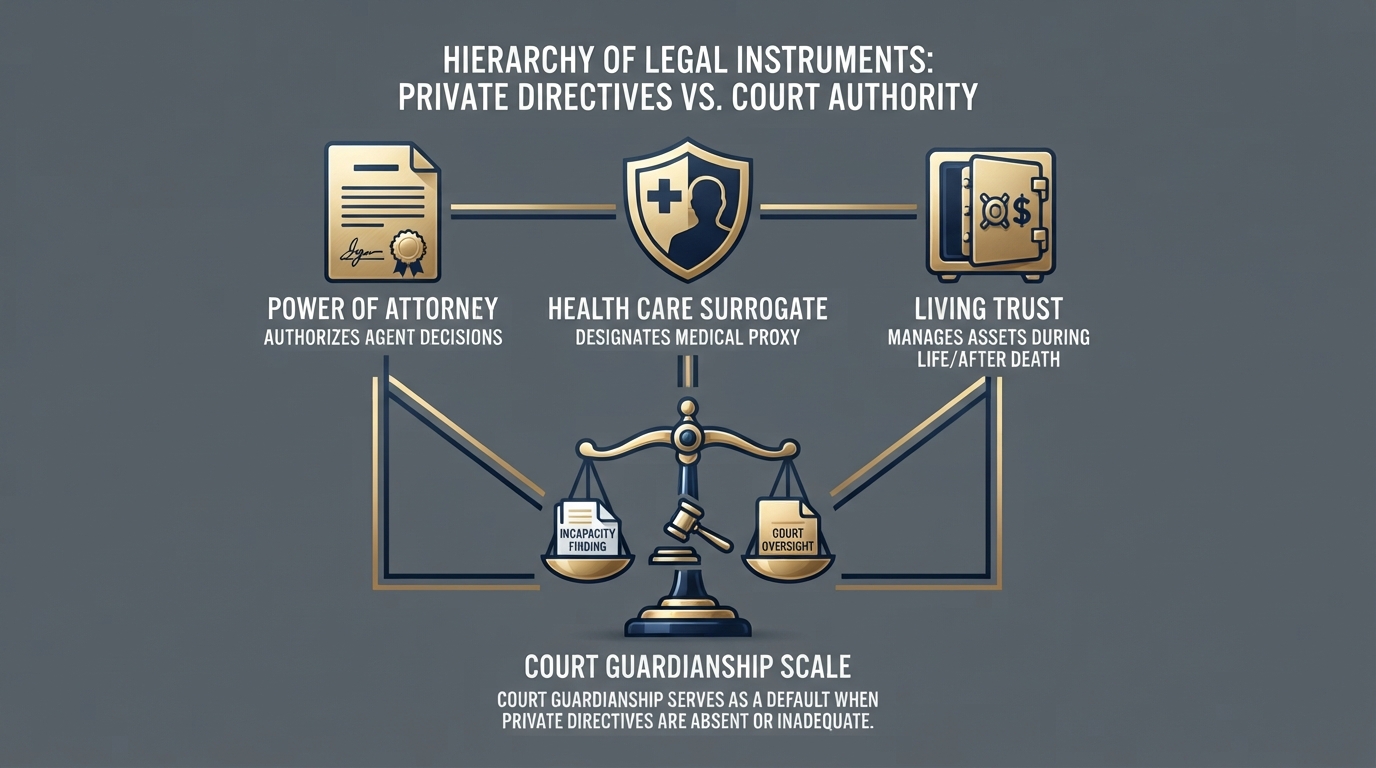
Should you or an adult loved one lose the ability to make decisions adult guardianship may be appointed. If the Florida court finds a person is so impaired that they are considered incapacitated the court will give the decision making rights of the incapacitated person to someone else. Adult guardianship is only necessary when there are no other less restrictive alternatives (such as durable power of attorney, trust, health care surrogate or proxy, or other form of pre-need directive) available. Interestingly the family can choose a guardian. If the family is able to agree on who should be the guardian, the court will most often accept that choice.

Once minor or adult guardianship has been appointed there are a number of things to consider such as what does a guardian do; is a guardian accountable; is a guardian liable for debts; and, is guardianship permanent? With the help of an experienced guardianship attorney from Rienfeld & Cabrera P.A. all these concerns will melt away and become an easier legal aspect to navigate.

What Happens When A Loved One Dies?

Probate-Attorney

While it is a horrible thought to ponder what happens after a loved one dies, as an experienced probate attorney, we at Reineld & Cabrera P.A. cannot stress enough how important it is to have a plan of action. The period directly after the unfortunate event of a loved one dying can be one of the most difficult and emotionally overwhelming times. Often people find themselves besieged by grief to be able to work through all the important post death processes on their own. Having a probate attorney helping you through the processes will be an invaluable asset. Often families are tempted to do things without the “expense” of a probate attorney. However this frequently leads to even more financial loss as someone without the correct legal knowledge attempts to navigate the probate gauntlet without the guidance of a probate attorney.

When it comes to estate planning and the distribution of assets seeking professional support from a probate attorney is a wise move. Contacting a probate attorney from Reinfeld & Cabrera P.A. for a consultation about your family’s situation will already be a step in the right direction and a great help during this time of anguish.

After a loved one dies you may find yourself in the position of executor of their will. While you may feel confident right now to handle this role, the story may change when you find yourself in the middle of a tragic event. Often emotions cloud logic and distort generally clear minds and you may find yourself falling prey to unidentified legal issues. For example, did you know that when you act as an executor there is a fiduciary liability and exposure attached to you personally if you do not adhere to the terms of a will exactly? Furthermore, did you know that as an executor you could be fined if you distribute funds improperly? With an experienced probate attorney helping you, you will easily avoid these pitfalls.

When you do decide to hire an attorney to assist you with your estate planning or after the death of a loved one, ensure you hire one who is experienced at handling wills, trusts and estates. Avoid attorney’s who don’t specialize in estate planning and instead opt for an experienced probate attorney such as Reinfeld & Cabrera P.A. Make sure you only select a board-certified attorney. Ideally, try to work with an attorney from a firm that has received the highest possible professional standards and ethics rankings.

The Importance of Having an Attorney at Closing

real-estate-attorney

If you are thinking about entering the property market you may have already thought about what the importance of having a real estate attorney at closing is. As an experienced real estate attorney in Florida, we at Reinfeld & Cabrera P.A. are aware of the temptation to forego the assistance of a real estate attorney when it comes to closing. That is why we feel it is our duty to provide you with as much information about the importance of having a real estate attorney at closing before you make a decision you may later regret.

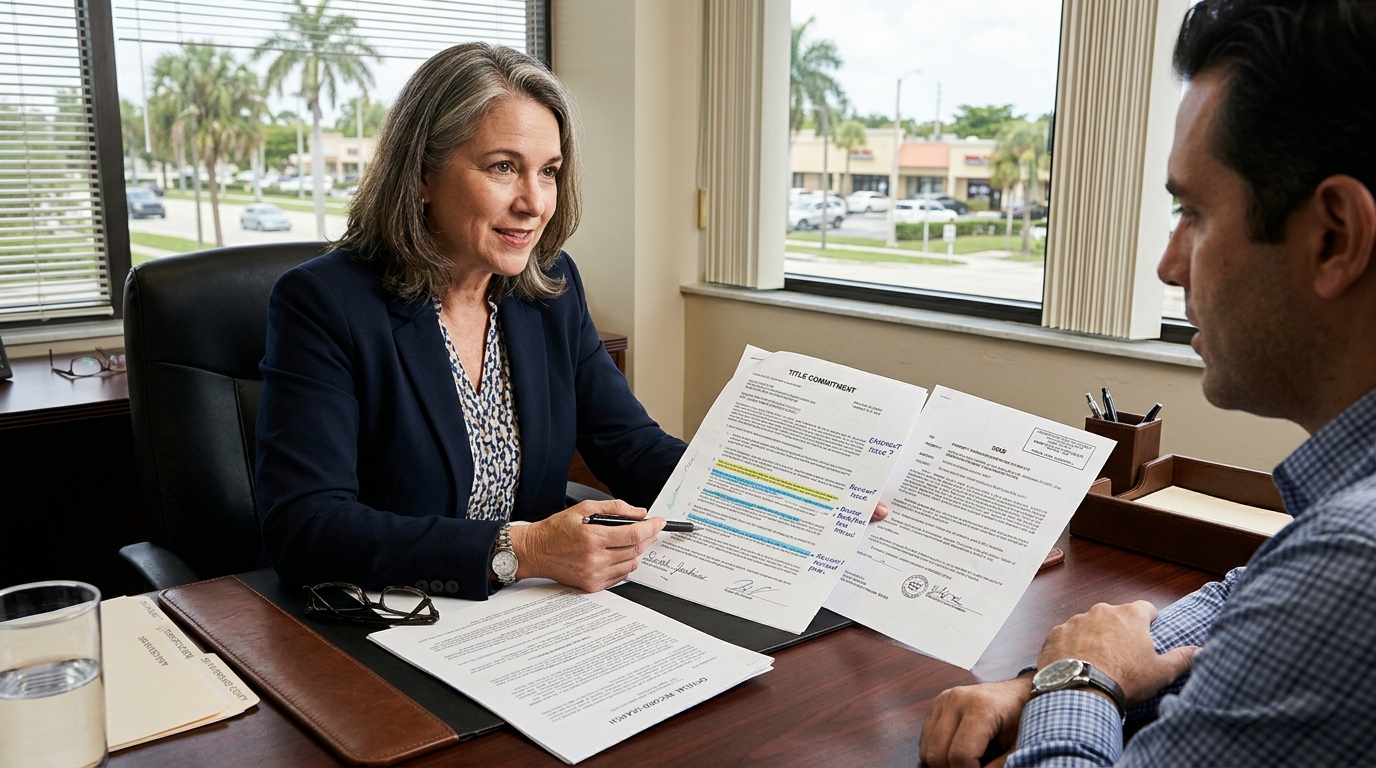
Performing a real estate closing is extremely complicated and calls for a comprehensive knowledge of the law. That is why sensible sellers and purchasers will approach a real estate attorney for assistance. Real estate closings involve a host of complex stages from examination of the title, completion and explanation of legal documents, to resolution of potential title difficulties. Your real estate attorney will be able to work through each of these stages with as little hassle to you as possible. Your real estate attorney will examine the title records for things such as prior conveyances, unpaid mortgages, liens, judgments, easements, and any other impediments on title. Your real estate attorney will be able to make sure that the seller is legally allowed to convey a good title to the property. Additionally your real estate attorney will be able to ensure that there are no mistakes in the deeds in the chain of title. Your real estate attorney will also negotiate with the title insurance company for insurance coverage against any opposing claims of ownership, liens, and easements.

Once all of the above is in order your real estate attorney will then join all the important information into one set of closing documents. At the closing your real estate attorney will make sure that all the parties involved fully understand any issues implicated in the transaction. Thereafter your real estate attorney will distribute funds, record relevant documents as public records, and prepare title insurance policies for the purchaser and lender.

As your real estate attorney we at Reinfeld & Cabrera P.A. will review and negotiate the specific terms of contracts; assess financing options and explain the terms of loans; request title searches, surveys, mortgage payoff letters, condominium documents and all other items necessary for closing; prepare the deed, all other closing documents, and closing figures; evaluate all legal documents; attend the closing and ensure a clear title is conveyed; analyze charges making sure they are coherent with estimates; and identify anything that may have an effect on your property interest as well as provide counsel if any difficulties do arise.

Instead of have you struggle through the complicated closing procedures alone we at Reinfeld & Cabrera P.A. would be honored to handle the process on your behalf as your real estate attorney. Give us a call today to find out how we can help you.