
Florida homestead laws can override your will and change who inherits your home. Understand how surviving spouse rights, minor children, and property ownership rules affect your estate plan.
Category: Real Estate

Who is entitled to keep a rental security deposit? What can a property owner do when someone refuses to leave? Can a condominium or homeowners’ association enforce a particular restriction against its residents? These questions arise in ordinary property matters, but their answers often depend on specific provisions of Florida law.
The articles in this section examine the legal issues that affect property owners, landlords, tenants, and members of residential communities. They address rental property obligations, security deposits, possession disputes, and the rules governing homeowners’ associations and condominium communities. The aim is to explain the law behind these situations and clarify what rights and responsibilities may apply.
Readers in Coral Springs and throughout Broward County can use these articles to better understand their position before taking action or responding to a property dispute. The information is educational and does not replace legal advice based on the facts of a particular matter.
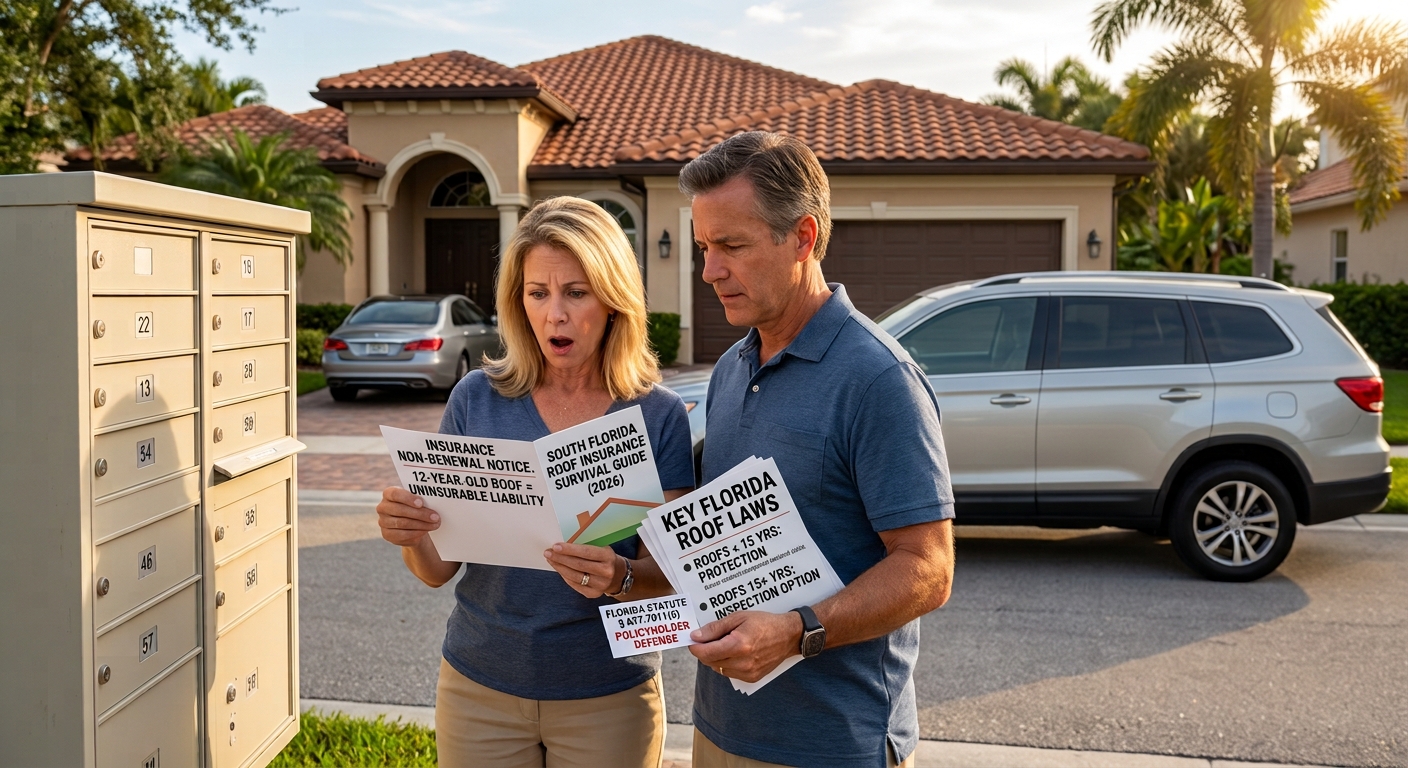
The South Florida Homeowner’s 2026 Roof Insurance Survival Guide
Received an insurance non-renewal notice claiming your 12-year-old roof is an uninsurable liability? Don’t panic—and don’t pay for an unnecessary replacement. Under Florida Statute § 627.7011, insurers cannot legally drop your policy solely due to roof age if your roof is under 15 years old. Learn your statutory policyholder rights, how the 5-year useful life inspection exemption works, and the exact step-by-step defense plan to protect your home.
When a Financial Power of Attorney Goes Wrong: What Can Families Do?
A power of attorney can give someone significant control over another person’s finances. When money disappears or property changes hands, Florida law provides ways to investigate what happened and challenge an agent’s conduct.
Florida Security Deposit Rules: What Landlords Need to Know to Protect Their Rental Investments
If you manage or own rental property in South Florida, tenant turnovers and the occasional eviction are bound to happen. But here is the catch: when a lease ends or a tenant vacates under court order, how you handle their security deposit can make or break your legal standing. Can you simply keep the deposit […]
Do You Need a Real Estate Attorney When Buying a House in Florida?
Buying a house in Florida can create legal questions before you ever reach the closing table. Find out when a real estate attorney can protect your interests and what Coral Springs homebuyers should understand before signing a purchase contract.
Voted Favorite Real Estate Attorney in Coral Springs by Readers Choice
The best real estate attorney in Coral Springs is not necessarily the lawyer with the most reviews, the longest list of services, or the strongest advertising. The right attorney depends on the type of property matter you need to resolve, the attorney’s experience with that type of matter, and whether you need transactional advice, dispute […]
How to Remove a Family Member Who Refuses to Leave Your Home in Florida
Quick Answer: Under Florida law, you generally cannot use a standard landlord-tenant eviction to remove a family member who does not pay rent and has no lease. Instead, homeowners must file an Unlawful Detainer action under Florida Statutes Chapter 82. This has to be done in county court to legally regain possession of the property. […]
Do I Need a Real Estate Attorney at Closing in Florida?
Florida law does not require an attorney at every real estate closing. But knowing what the law permits is different from understanding what you are signing, who is protecting your interests, and what can happen when a title or contract problem surfaces.
Can You Handle an Eviction Without an Attorney in Florida?
Yes, a landlord or tenant can handle some Florida eviction cases without an attorney. Florida law does not require a lawyer in every eviction proceeding. But an eviction still involves specific notice requirements, court filings, service of process, deadlines, and rules governing defenses and possession. A mistake at any of those stages can affect the […]
Why Use a Real Estate Attorney in Florida? What Legal Counsel Adds to a Transaction
A Florida real estate attorney knows the rules that govern property transactions, from contract requirements and title issues to closing procedures and the remedies available when something goes wrong. A buyer or seller generally does not have that knowledge. There is no reason to expect them to. You know the property. What you want to […]