
While securing a real estate attorney when buying a home can add thousands of dollars to your transaction, it is always money well spent to make sure your interests are being represented during the closing.
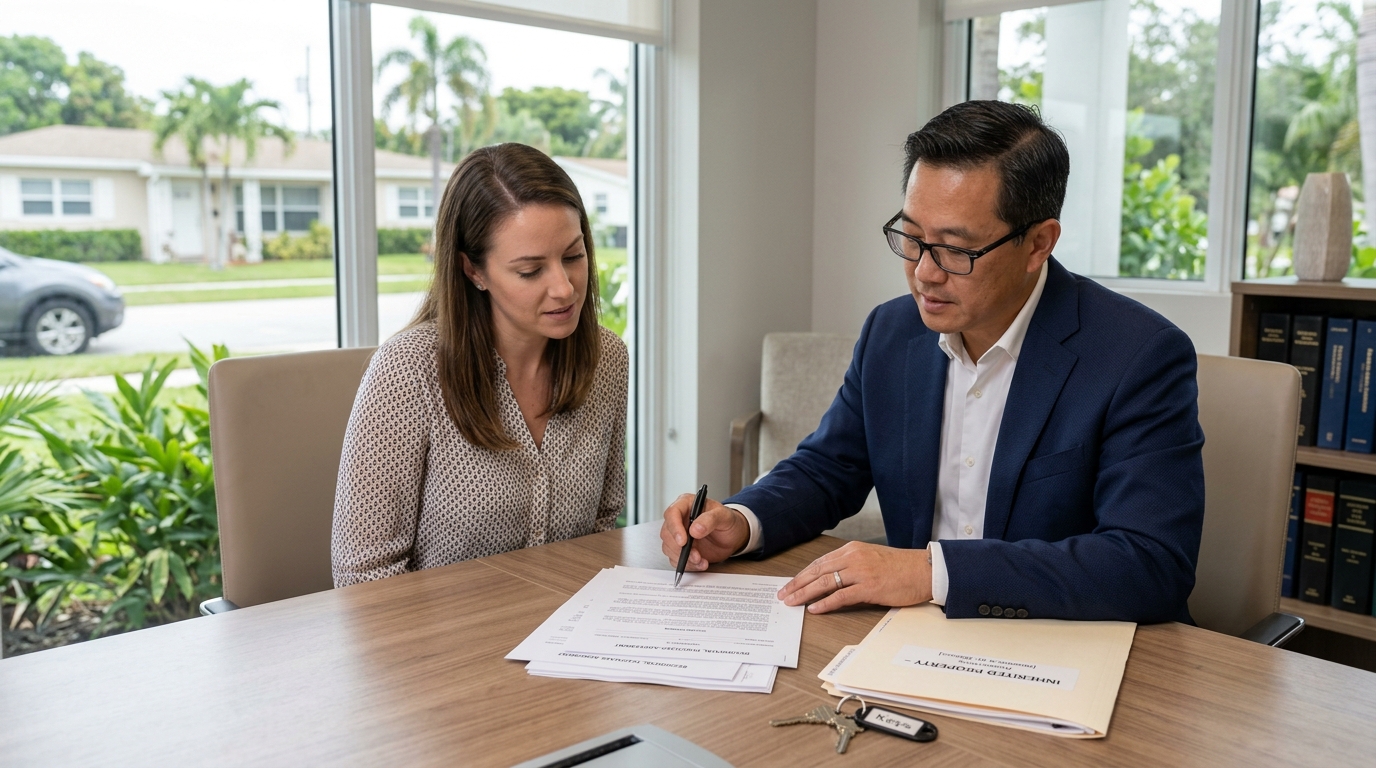
One area where a real estate attorney is necessary is when drawing up the contract, as the buying and selling of the house transaction must be documented in a legally binding contract. Your attorney will review the contract, making sure there are no issues that will impact the client and also ensure the transaction follows all state laws.
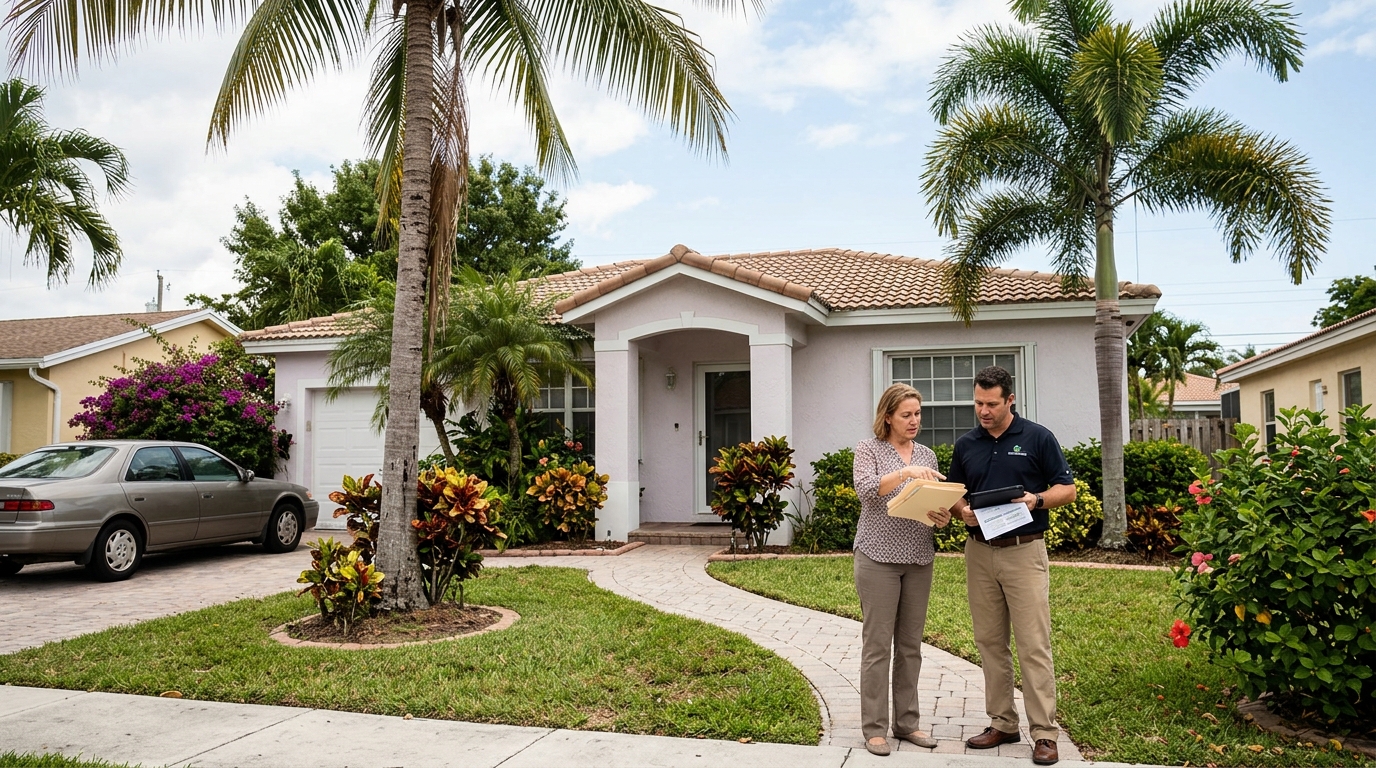
A real estate attorney can also help you negotiate repairs with the sellers based on the outcome of the home inspection report. What if you find out the air conditioner is no longer working? Or the washing machine? Or the roof has some serious issues? Your attorney will make sure the repairs are done by the seller, or that the asking price is adjusted to compensate for the results of the inspection.
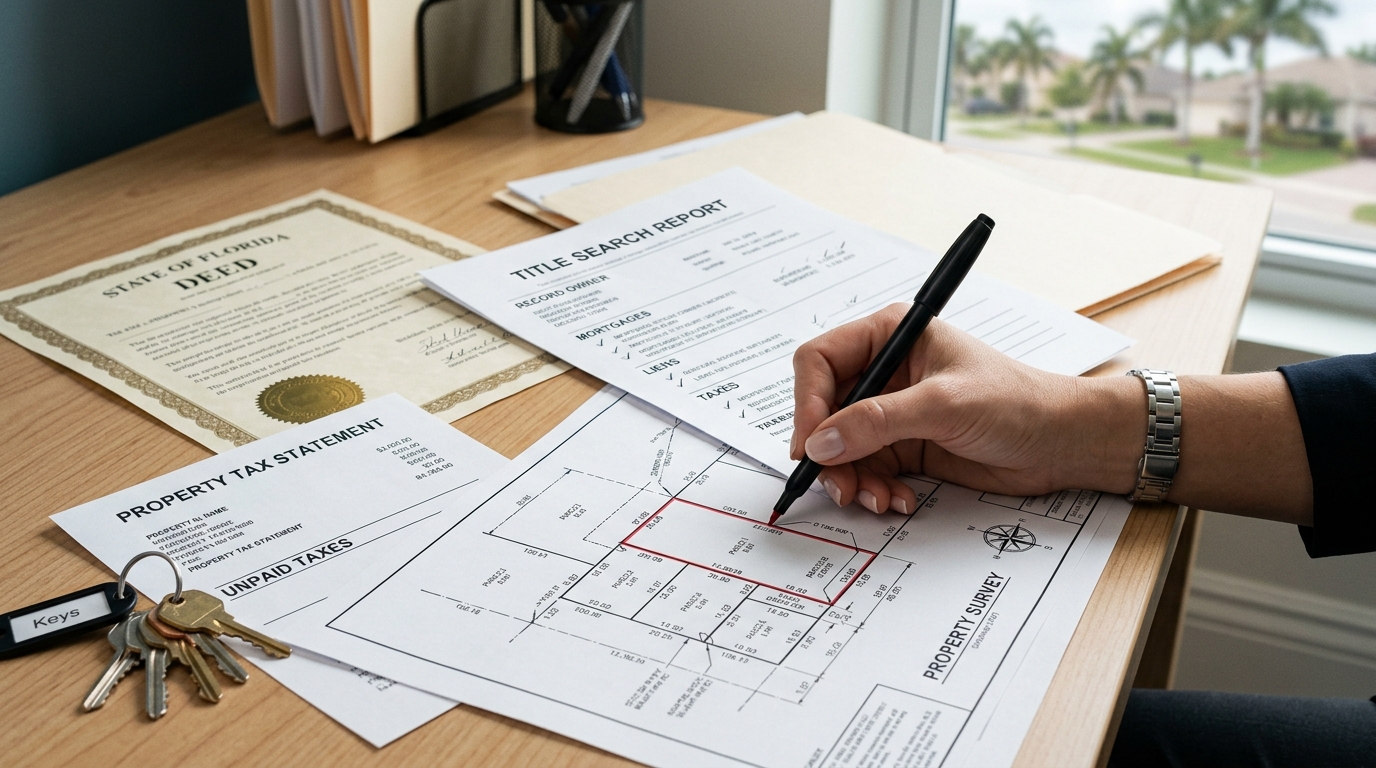
You also need your real estate attorney to do a title search to make sure the property in question has no liens or judgments again it. This is extremely important because this search determines whether or not the person trying to sell the house has the legal right to do so.
There are often other requirements for a real estate attorney, such as filing deeds, among other things. Having a professional, knowledgeable real estate attorney to represent you when buying a home can reassure you that there is someone looking out for your best interests during the complex process of house buying.
While you always hope the real estate transaction of buying your home will be standard and problem free, when something does come up you will be glad to have an experienced attorney’s guidance. What if during the transaction you find out the in-law suite in the home you are buying was added illegally? What if you discover you are buying a property that could potentially have structural issues? Are you buying a short sale property and have questions about the process?
These questions and other issues should only be answered by a knowledgeable attorney in the state you are buying the home. Our goal, at Reinfeld & Cabrera, P.A., is to represent our client through an uneventful transaction.
The answer depends on when the beneficiary died, the language of the will, the beneficiary’s relationship to the person who died, and whether the beneficiary had already acquired a legal interest in the inheritance.
This situation can become complicated during Florida probate. A beneficiary may die while the estate is still being administered, leaving the personal representative and the surviving beneficiaries with an important question: Who is now entitled to receive that beneficiary’s share?
The answer is not always the beneficiary’s children, and the inheritance does not automatically return to the estate of the person who originally died.
What Happens When a Beneficiary Dies During Probate?
The first question is when the beneficiary died in relation to the person whose estate is being administered.
There is an important legal difference between a beneficiary who dies before the decedent and one who survives the decedent but dies before receiving an inheritance.
Those situations can produce different results under Florida law.
If the beneficiary survived the decedent, the beneficiary may have acquired an interest in the estate even though the probate case had not yet been completed. If that happens, the beneficiary’s own estate may become involved in receiving and administering that interest.
By contrast, if the beneficiary died before the decedent, Florida’s anti-lapse rules may determine whether the gift passes to certain descendants or otherwise fails under the terms of the will.
What If a Beneficiary Dies Before Receiving an Inheritance?
A common misconception is that an inheritance does not belong to a beneficiary until the personal representative actually writes the check or transfers the property.
That is not necessarily how probate works.
When a beneficiary survives the person who created the will, the legal treatment of that beneficiary’s interest can be different from the situation in which the beneficiary predeceases the decedent. The fact that distribution has not yet occurred does not by itself answer who ultimately receives the property.
The personal representative may therefore need to determine whether the deceased beneficiary’s interest must be distributed to the beneficiary’s estate.
This is one reason the question “what happens if a beneficiary dies before probate is complete?” cannot be answered with a single rule.
What If the Beneficiary Survived the Decedent?
This is one of the most important distinctions.
Suppose Maria leaves $100,000 to her son David in her will. Maria dies, and her probate estate is opened. David is alive when Maria dies, but he dies several months later while the probate case is still pending.
The fact that David died before receiving the $100,000 does not necessarily mean the gift disappears.
Depending on the circumstances and the terms of Maria’s will, David’s interest may become part of his own estate. His personal representative may then have to address that inheritance as part of David’s estate administration.
That can introduce a second probate or estate administration process.
The personal representative of Maria’s estate may therefore need to coordinate with the representative of David’s estate before the inheritance can be distributed.
What If the Beneficiary Died Before the Person Who Made the Will?
The situation can be different when a beneficiary dies before the testator.
For example, imagine that Maria’s will leaves her estate to her son David, but David dies before Maria. Maria later dies without changing her will.
Florida’s anti-lapse statute can sometimes preserve a gift to a deceased beneficiary’s descendants rather than allowing the gift to lapse. Florida Statutes section 732.603 applies to certain devisees who are relatives of the testator and who leave descendants who survive the testator. The statute also contains exceptions and conditions that can affect whether the rule applies.
This means that a beneficiary’s children do not automatically inherit every time a named beneficiary dies first.
The relationship between the deceased beneficiary and the testator matters. So does the language of the will.
How Does Florida’s Anti-Lapse Law Work?
Florida’s anti-lapse statute is designed to address certain situations in which a person named to receive property under a will dies before the testator.
Under section 732.603, a devise to certain relatives of the testator does not necessarily lapse merely because the named beneficiary dies before the testator. When the statutory requirements are satisfied, the deceased beneficiary’s descendants may take the property in the manner provided by the statute.
But anti-lapse rules should not be treated as a universal substitute-beneficiary provision.
The statute has specific requirements concerning the relationship between the testator and beneficiary, the beneficiary’s descendants, and survival. The will itself can also contain language that affects the outcome.
For that reason, determining whether Florida’s anti-lapse law applies requires examining the actual estate planning documents and the family relationships involved.
Does the Inheritance Go to the Beneficiary’s Children?
Not automatically.
Whether a deceased beneficiary’s children receive the inheritance depends on the circumstances.
If the beneficiary died before the testator, Florida’s anti-lapse statute may allow certain descendants to receive the gift.
If the beneficiary survived the testator and then died during probate, the analysis can be different. The beneficiary’s interest may instead become part of the beneficiary’s own estate, depending on the nature of the property interest and the governing documents.
The distinction is critical.
Simply knowing that “the beneficiary died” is not enough to determine what happens next.
What Happens to the Deceased Beneficiary’s Estate?
When a beneficiary survives the original decedent but dies before receiving the inheritance, the beneficiary’s own estate may become relevant.
The inheritance may need to be administered alongside the beneficiary’s other assets. The beneficiary’s will, if there is one, may affect who ultimately receives the property. If there is no valid will, the beneficiary’s estate may instead be distributed under the applicable intestacy rules.
This can create a situation in which one estate is effectively waiting for another estate to be administered.
For example, the personal representative of the first estate may need documentation establishing who has authority to act for the deceased beneficiary’s estate before completing distribution.
What If the Will Names a Backup Beneficiary?
Some wills specifically address what happens if a beneficiary dies.
A will might provide that if a named beneficiary does not survive the testator, the property goes to another person or group of people. Other wills may contain language creating a substitute gift or otherwise addressing descendants.
These provisions can change the analysis significantly.
This is why the will should be reviewed before relying on a general rule about a beneficiary who dies before receiving an inheritance.
A specific provision in the will may provide a different result from what would happen under the default statutory rules.
What Does the Personal Representative Need to Do?
The personal representative is responsible for administering the estate according to the will and Florida law.
When a beneficiary dies during administration, the personal representative may need to determine:
When the beneficiary died
Whether the beneficiary survived the decedent
Whether the will contains a substitute beneficiary provision
Whether Florida’s anti-lapse statute applies
Whether the beneficiary had already acquired an interest in the estate
Whether the beneficiary left a will
Who has authority to represent the beneficiary’s estate
Whether additional court filings are necessary
Whether the distribution should be delayed until the issue is resolved
The personal representative should not simply assume that the deceased beneficiary’s share goes to the beneficiary’s children or surviving relatives.
The correct result depends on the facts and governing documents.
Can a Beneficiary’s Death Delay Probate?
Yes.
A beneficiary’s death can complicate or delay an estate administration, particularly when the deceased beneficiary’s estate must become involved.
The personal representative may need additional documentation, court orders, or information about the beneficiary’s heirs or estate. If family members disagree about who should receive the deceased beneficiary’s share, the issue can become contested.
This is one reason a probate case can remain open even after the major assets and beneficiaries initially appear to have been identified.
What If Family Members Disagree About the Inheritance?
Disputes can arise when different family members interpret a will differently or disagree about whether an anti-lapse provision applies.
For example, one relative might argue that the deceased beneficiary’s children should receive the inheritance, while another argues that the property should pass under a different provision of the will.
The personal representative may need to seek legal guidance or court involvement rather than making the distribution based on an informal family agreement.
A disputed inheritance can also become more complicated when the deceased beneficiary had creditors, a separate probate estate, or competing heirs.
What Happens When a Beneficiary Dies Before the Estate Is Distributed in Florida?
There is no single answer for every Florida probate case.
If the beneficiary died before the decedent, Florida’s anti-lapse statute may apply in certain circumstances.
If the beneficiary survived the decedent but died before receiving the inheritance, the beneficiary’s interest may instead become part of the beneficiary’s own estate.
The will, the timing of the deaths, the relationship between the people involved, and the nature of the property all matter.
That is why a personal representative should determine the legal status of the beneficiary’s interest before distributing the estate.
Frequently Asked Questions
What happens if a beneficiary dies before probate is complete?
It depends on whether the beneficiary survived the person whose estate is being administered. If the beneficiary survived the decedent and later died during probate, the beneficiary’s interest may need to be handled through the beneficiary’s own estate. If the beneficiary died first, Florida’s anti-lapse rules may apply in certain circumstances.
Are heirs responsible for a deceased beneficiary’s inheritance?
Not necessarily. An inheritance may become part of the deceased beneficiary’s estate, and the people ultimately entitled to receive it can depend on the beneficiary’s will or Florida intestacy law.
Does a deceased beneficiary’s estate receive the inheritance?
When a beneficiary survives the original decedent but dies before distribution, the beneficiary’s estate may have a claim to the beneficiary’s share. The specific result depends on the nature of the interest, the will, and the circumstances of the estate.
Does Florida’s anti-lapse statute apply whenever a beneficiary dies?
No. Florida’s anti-lapse statute contains specific requirements and applies to certain circumstances involving beneficiaries who die before the testator. The statute should be reviewed together with the will and the family relationships involved.
Do the beneficiary’s children automatically inherit?
No. The beneficiary’s children do not automatically inherit simply because their parent died. They may receive property under Florida’s anti-lapse statute in qualifying circumstances, or they may inherit through their parent’s estate under different circumstances.
Can a beneficiary’s death create another probate case?
It can. If a beneficiary survives the original decedent and later dies while entitled to receive property, the beneficiary’s estate may need to administer that interest.
What should a personal representative do when a beneficiary dies?
The personal representative should establish when the beneficiary died. He needs to review the will, determine whether the beneficiary survived the decedent, identify any applicable substitute-beneficiary or anti-lapse provisions. He then needs to determine who has legal authority to receive or administer the beneficiary’s interest.
Facing home foreclosure in South Florida is extremely difficult and it is important to have a foreclosure defense attorney in Coral Springs representing you, in order to make sure you have exhausted all of your options. You don’t want your case to be negatively impacted because you don’t have the right attorney working with you.
At Reinfeld & Cabrera, we are foreclosure defense attorney specialists in Coral Springs who serve the entire South Florida area. We will work hard to assess your specific situation and come up with a realistic solution for your financial and legal issues. Not every foreclosure case is the same. We will respond to your specific needs and walk you through the process, so that you do not need to face the foreclosure issues on your own.
One of our first objectives will be to analyze your financial situation. After this, we can come up with the goals you want to achieve. For some clients, remaining in their home is what they want to have happen. For others, they want to unburden themselves from high mortgage payments and attempt to preserve their credit.
After meeting with you, our foreclosure defense attorneys in Coral Springs will work hard to come up with the goals that best suit your needs, and your situation. We will then determine the best strategic plan and work toward making it a viable solution.
At Reinfeld & Cabrera, we offer a free consultation with one of our foreclosure defense attorneys in Coral Springs to determine what action is right for your specific situation. You don’t need to face home foreclosure on your own. Have the right attorney on your side and we will help you work through the situation.
By the time you end up looking for a foreclosure defense attorney to help you fight foreclosure on your home, you can be emotionally exhausted. However, you still need to make sure you hire the very best, most experienced foreclosure defense attorney available, in order to best help you with your situation.
A foreclosure defense attorney will not judge you by the situation in which you currently find yourself. You should try not to be emotional while discussing the facts of the situation and your attorney will advise you on the best course of action for the future, whether you are are looking to remain in your home, or want to exit the situation with the least amount of damage to your credit.
Alan Reinfeld and Michael Cabrera know the best foreclosure defense attorney for you is someone who you can trust. We will meet with you in a free consultation so we can go over the specifics of your situation and then we can provide you with an overview on the viable options for proceeding.
We also know how important it is to have direct communication with your attorney. That is why when you call Reinfeld and Cabrera, an attorney will call you back as soon as possible, usually within 24 hours. When someone is looking for a foreclosure defense attorney, often they are having financial difficulties. We provide our clients with affordable payment options, based on the clients’ financial status. We believe that no one should be denied justice.
Once you have secured your foreclosure defense attorney, an important tip is to have your paperwork in order. You will need to have the paperwork you gave the mortgage lender when you first applied and all of the letters you received from the lender after you fell behind on your mortgage payments. You need all correspondence and it would help to have a written chronology the situation up until that point.
Having all of that information in order, and securing a foreclosure defense attorney you can trust, are the first steps in figuring out your options.
If you are waiting for a Florida estate to close, the frustrating part is often that nobody can give you a single number.
One estate may be resolved relatively quickly. Another may remain open for a year or longer. The difference usually has less to do with the passage of time itself than with what has to happen before the estate can be distributed and closed.
So, how long does probate take in Florida?
For many estates going through formal administration, probate takes months rather than weeks. Some uncomplicated estates can move faster. Others take considerably longer because of creditor claims, real estate, tax issues, missing beneficiaries, disputes, litigation, or problems with the estate administration.
Florida also has a simplified procedure called summary administration. For deaths occurring under the current law, summary administration generally applies when the property subject to administration does not exceed $150,000, after excluding property exempt from creditors, or when the decedent has been dead for more than two years.
The important point is that there is no single Florida probate timeline that applies to every estate.
What Determines How Long Probate Takes in Florida?
Probate is not one event. It is a series of legal and practical tasks.
The court must recognize the will, if there is one, and appoint a personal representative when formal administration is required. The personal representative then has to identify and protect estate property, address debts and creditor claims, deal with taxes when applicable, resolve outstanding issues, distribute the remaining assets, and complete the steps required to close the estate.
Florida law requires a personal representative to settle and distribute the estate as efficiently as is consistent with the interests of the estate and the people involved.
That does not mean every task can happen immediately.
A house may need to be sold. A bank account may need to be located. A creditor may file a claim. A beneficiary may object to something the personal representative has done. An estate asset may have to be appraised before it can be distributed.
Each of those issues can change the timetable.
How Long Does Formal Probate Usually Take?
Formal administration is the more involved form of Florida probate. It is generally used when the estate does not qualify for summary administration or when the circumstances require a formal proceeding.
There is no statutory rule saying that every formal probate case must be completed within a particular number of months.
That matters because two estates with similar values can have very different timelines.
Consider two hypothetical estates.
The first consists mainly of a Florida bank account, a vehicle, and other easily identified assets. There are no significant disputes, no difficult property issues, and no contested creditor claims.
The second includes a Coral Springs home, several financial accounts, an unresolved debt, a beneficiary who cannot be located, and disagreement among family members over the will.
Both estates are subject to the same general probate framework. Their practical timelines could be very different.
The question is therefore not simply how long does probate court take in Florida? It is what still has to be resolved before this particular estate can be closed?
How Long Does Summary Administration Take?
Summary administration is designed for qualifying estates that can be handled without the full administration process.
Summary administration can be substantially different from formal administration because the court may enter an order allowing distribution of estate assets without the same sequence of administration required in a formal case. Florida law specifically permits the court to authorize immediate distribution through the summary administration order.
That does not mean every small estate is resolved immediately.
The court still needs the required information. Known or reasonably ascertainable creditors must be addressed, and the people entitled to the estate must be properly identified.
If there is a dispute about the will, ownership of property, debts, or the people entitled to inherit, the matter may become more complicated regardless of the estate’s value.
What Is the 90-Day Creditor Period in Florida Probate?
One reason probate can take longer than a family expects is the period for creditors to present claims.
Under Florida Statute §733.702, certain claims against an estate generally must be filed by the later of three months after the first publication of the notice to creditors or 30 days after service of the notice on a creditor who is required to receive it.
This is one reason an estate cannot necessarily be distributed as soon as the personal representative finds the assets and identifies the beneficiaries.
There may still be claims to address.
The law also contains additional timing rules when a claim is disputed. For example, Florida Statute §733.705 gives interested parties a period to object to claims and provides procedures for claims that proceed into litigation.
So when someone asks why an estate is still open several months after the death, the answer may be that the administration is still dealing with creditor claims or other unresolved obligations.
What Can Delay Probate in Florida?
Some delays are ordinary parts of estate administration. Others result from complications that have to be resolved before distribution.
Common examples include:
A will that is being challenged
Disagreement among beneficiaries
Disputed creditor claims
Real estate that must be sold or otherwise transferred
Difficulty locating estate assets
Missing heirs or beneficiaries
Property with unclear ownership
Tax or accounting issues
Litigation involving the estate
A personal representative who is not completing required tasks
A personal representative who needs to be replaced
Assets located in another state
Complications involving another estate or trust
The size of an estate matters, but it is not the only factor.
A relatively modest estate can become complicated if the family is fighting over a house. A larger estate can sometimes be administered without the same level of delay if the assets, beneficiaries, and obligations are clear.
Can a Will Contest Make Probate Take Longer?
Yes.
A dispute over the validity or interpretation of a will can turn an otherwise routine estate administration into litigation.
That changes the nature of the case. The court may need to resolve issues concerning the validity of the will, the rights of beneficiaries, the meaning of particular provisions, or other contested questions before the estate can be distributed.
The same basic problem can arise when beneficiaries dispute the actions of the personal representative.
In those situations, the probate proceeding is no longer simply a matter of collecting property and distributing it. There is a legal dispute that has to be resolved.
That can add substantial time to the administration.
What Happens If the Personal Representative Is Delaying Probate?
The personal representative has legal duties. Florida law describes the personal representative as a fiduciary and requires the estate to be settled and distributed efficiently and in accordance with the will and the Florida Probate Code.
That does not mean a personal representative must distribute everything immediately.
Some assets cannot properly be distributed until debts, claims, taxes, expenses, or other issues have been addressed.
But there is a difference between necessary administration and unnecessary inaction.
Florida law provides procedures for removing a personal representative in certain circumstances, including failure to comply with a court order, failure to account for estate property, wasting or maladministration of the estate, and other specified grounds.
If beneficiaries believe an estate is being delayed because the personal representative is failing to perform required duties, that may require a legal proceeding rather than simply waiting longer.
Can Beneficiaries Receive an Inheritance Before Probate Ends?
Sometimes.
Florida law permits certain distributions before the administration is completely finished when the statutory requirements are satisfied. But a personal representative must consider the estate’s outstanding obligations before distributing property.
This is especially important when the estate still has unpaid debts, creditor claims, expenses, taxes, or unresolved disputes.
A beneficiary therefore should not assume that an asset is available for distribution simply because the will says that person is supposed to receive it.
The estate may need to retain enough property to satisfy obligations before the final distribution can occur.
Why Is My Probate Case Taking So Long?
If a Florida probate case seems unusually slow, look at what remains unresolved rather than simply counting the months since the death.
For example:
The estate has a house that has not been sold.
The administration may need to address the property’s title, mortgage, taxes, insurance, sale, or distribution.
A creditor filed a claim.
The personal representative may need to determine whether the claim is valid and whether it shoul be paid or challenged.
A beneficiary cannot be located.
The estate may need additional work before property can be distributed safely.
Family members are fighting.
A dispute can require formal court proceedings rather than ordinary estate administration.
The personal representative has not completed required work.
The beneficiaries may need to ask the probate court to address the problem.
This is why asking only “How long does probate take?” can produce a misleading answer.
A more useful question is:
What is preventing this estate from closing?
Can You Speed Up Probate in Florida?
Sometimes the answer is yes, but there is no shortcut that allows a personal representative to ignore required procedures.
The practical way to reduce unnecessary delay is to identify problems early.
That can mean locating estate assets promptly, identifying creditors, responding to claims within the applicable deadlines, resolving beneficiary disputes before they become larger litigation, handling real estate issues efficiently, and making sure required court filings are completed correctly.
It also means recognizing when a problem is genuinely legal rather than administrative.
For example, if a beneficiary objects to the validity of a will, repeatedly asking the personal representative to “move faster” will not resolve the underlying dispute.
Likewise, if an estate asset has a title problem, distribution may have to wait until ownership is established.
When Does a Florida Probate Estate Finally Close?
Probate ends when the administration has been completed and the required closing procedures have been satisfied.
Florida Statute §733.901 provides that after administration has been completed, the personal representative is discharged.
In practical terms, that generally means the estate’s remaining legal and financial obligations have been addressed, the property that should be distributed has been distributed, and the personal representative has completed the steps necessary to finish the administration.
The exact procedure depends on the estate and the type of administration.
That is why the date of death alone cannot tell you when probate will end.
How Long Does It Take to Settle an Estate in Florida?
For a straightforward estate, the process may be measured in months. A more complicated formal administration can take considerably longer.
There is no responsible way to promise that a particular Florida probate case will finish within a fixed number of months without knowing what the estate contains and what issues remain unresolved.
For a family in Coral Springs, Broward County, or elsewhere in South Florida, the most useful starting point is usually to identify the type of administration and then determine which legal or practical issues are keeping the estate open.
Once those issues are known, the timeline becomes much easier to understand.
Frequently Asked Questions
How long does probate take in Florida?
There is no single timeline for every Florida estate. Formal administration commonly takes months, while a straightforward case may move faster and a disputed or complicated estate may remain open considerably longer.
How long does summary administration take in Florida?
Summary administration can be faster because it is a simplified procedure for qualifying estates. Under current Florida law, the procedure generally applies to estates with no more than $150,000 in property subject to administration, after applicable exclusions, or to estates where the decedent has been dead for more than two years.
What time does it take to settle an estate in Florida?
The time depends on the type of probate, the estate’s assets and debts, creditor claims, property issues, beneficiary disputes, litigation, and how efficiently the administration proceeds.
What causes probate to take longer?
Common causes include creditor claims, will contests, beneficiary disputes, real estate issues, missing heirs, tax matters, litigation, difficult-to-locate assets, and delays in estate administration.
How long do creditors have to make a claim against an estate in Florida?
Under Florida Statute §733.702, certain claims generally must be filed by the later of three months after the first publication of the notice to creditors or 30 days after service on a creditor who is required to receive notice.
Can a personal representative delay probate?
A personal representative has a fiduciary duty to administer and distribute the estate efficiently and in accordance with Florida law and the decedent’s will. If the personal representative fails to perform required duties, Florida law provides procedures that can address misconduct or other grounds for removal.
Does probate end when the beneficiaries receive their inheritance?
Not necessarily. The estate still has to satisfy the requirements for completing the administration and discharging the personal representative. Florida law provides for discharge after administration has been completed.
The Bottom Line
There is no standard number of days or months that applies to every Florida probate case.
A simple estate may move relatively quickly. An estate involving real property, creditor claims, family disputes, litigation, or other unresolved issues can take much longer.
If you are trying to understand why an estate in Coral Springs or elsewhere in Broward County is still open, the important question is not simply how much time has passed.
It is what remains to be done before the estate can legally be closed.
Need Help With a Florida Probate Case?
If an estate has been open longer than expected, or a dispute is holding up distribution, a Florida probate attorney can review the administration and explain what is causing the delay.
No one buys a home thinking that they will need to walk away from their life as they know it, allowing the bank to foreclose on that home. That’s not the way it works. At Reinfeld and Cabrera, Attorneys at Law, we have Florida foreclosure defense attorneys ready to help you. We know this is never what you wanted…not what you intended. But life works out a certain way sometimes, and you might find yourself in need of some professional representation along the way.
If your home is being foreclosed on and you have been served with a foreclosure lawsuit, contact our Florida defense attorneys today. Both Reinfeld and Cabrera are qualified, legal professionals who will work hard at finding you a realistic solution to your current legal problem. Our Florida foreclosure defense attorneys are ready to analyze your finances and inspect your complex legal situation, to come up with the best solution for you – whether that means finding a way to keep you in your home or focusing on preserving your credit.
Don’t wait any longer. We understand that this is an emotional and difficult time for you, but you can’t hesitate too long to find the right Florida foreclosure defense attorney to represent you. Reinfeld and Cabrera offer a free consultation in order to look at your specific case and determine the right course of action for you. We know that not every foreclosure case is the same, therefore Florida foreclosure defense attorneys need to provide representation that best suits each individual client and case.
We offer flat free rates as well as flexible payment plans as we aim to accommodate all clients’ financial situations, whether they be families, children, seniors or domestic and international companies. We believe that no client should be denied justice because they can’t afford an attorney…so give us a call and we will figure out the payment arrangement.
Our high quality legal representation will ensure you have the right Florida foreclosure defense attorneys on your side.
Whether you are buying or selling a home, or have other types of residential and commercial real estate matters, you need to pick the right real estate attorney in Coral Springs to assist you…even with basic transactions. The real estate attorneys at Reinfeld and Cabrera, Attorneys at Law, will aid clients in all aspects of purchasing and selling property, from the sales contracts to preparing all the necessary title work and representing you at the closing.
Our real estate attorneys in Coral Springs have the experience and knowledge in real estate law and will work hard to find creative solutions for your most complex real estate issues. We understand that no one goes into a real estate deal expecting it to result in litigation. But you need to have the right real estate attorneys in Coral Springs on your side, because this is often an area where disputes arise.
You can trust that the real estate attorneys at Reinfeld and Cabrera will fight for your rights and work hard to get you a fair deal. Hiring the right real estate attorneys in Coral Springs can actually save you time, risk and money during real estate transactions. We will be your personal attorneys who offer the personal touch. We have experience, with both Reinfeld and Cabrera specializing in real estate law. We can meet with you in person, before closing on a property, and we will be there to take care of the situation should the transaction hit some snags along the way.
Don’t gamble with your real estate transactions. Have the right real estate attorneys in Coral Springs on hand to take care of your South Florida real estate needs. Give us a call today to schedule an appointment…and let us make sure you are well represented.
We are your Broward County Real Estate Lawyers. 954-334-1520.