

Buying a house from the estate of someone who has died can involve legal issues that do not arise in an ordinary home purchase. The person negotiating the sale may be an heir, a personal representative, or someone who inherited only a partial interest. The property may also be affected by Florida homestead laws, existing liens, or unresolved ownership questions.
A probate attorney can examine these issues before closing and help determine whether the seller has the authority to transfer the property. That review can reveal problems that a buyer might overlook when focusing on the asking price, the inspection report, or the closing date.
Here are 12 legal issues worth investigating before purchasing inherited property in Florida.
1. Does the seller have legal authority to sell the property?
A person who inherits property does not automatically have authority to sell the entire property on their own. The answer depends on how the property was titled. It depends on how ownership passed after the death, and whether other people have legal interests in it.
A probate attorney can review the recorded deed and relevant estate documents. That way he can determine who owns the property and who must participate in the sale.
For example, an adult child might offer to sell a parent’s house while a surviving spouse or another heir has a legally recognized interest. A contract signed by one family member cannot necessarily transfer everyone else’s interest.
What the attorney checks: The deed, probate filings, relevant will provisions, orders determining homestead status, and documents establishing ownership.
Potential risk: The buyer signs an agreement with someone who cannot convey the ownership interest promised in the contract.
2. Does the personal representative have the power to sell?
When real estate remains an estate asset, the personal representative’s authority must be examined before the sale proceeds.
Florida Statute § 733.613 distinguishes between sales made under authority granted by the will and sales that require court authorization or confirmation. When the statute requires court authorization or confirmation, title does not pass until the applicable requirement is satisfied.
A buyer should not assume that a personal representative can sell every estate property without court involvement. The wording of the will and the circumstances of the administration matter.
What the attorney checks: The personal representative’s appointment, the will’s sale provisions, applicable court orders, and the requirements for the proposed transaction.
Potential risk: The transaction is delayed because the estate has not obtained the authorization required for the sale.

3. Is the property protected by Florida’s homestead laws?
Florida homestead law can affect who inherits a deceased owner’s primary residence and what can happen to it afterward.
Under Florida Statute § 732.401, a surviving spouse and descendants may receive particular interests in homestead property when the statutory conditions apply. Section 732.4015 also restricts how homestead may be devised when the owner leaves a surviving spouse or minor child, subject to the statute’s exceptions.
These rules can complicate a proposed sale. Especially if the seller assumes that the property passed entirely to one person under the will.
What the attorney checks: The property’s potential homestead status, the family circumstances at the time of death, the deed, and any relevant probate orders.
Potential risk: The buyer discovers that another person has an ownership interest or legal rights that must be addressed before the sale can proceed.
4. Are all heirs and other owners accounted for?
A family may agree informally that a property should be sold. But that agreement does not establish who legally owns it or whether every required person has authorized the transaction.
An attorney can investigate whether the property passed to several beneficiaries or whether an heir has a separate interest that must be considered. The attorney can also identify whether a probate proceeding or a separate ownership proceeding may be necessary to resolve a dispute.
What the attorney checks: The chain of title, the estate’s distribution documents, recorded ownership interests, and any known disputes involving the property.
Potential risk: A buyer pays for a property while a necessary party has not agreed to convey their interest.
5. Is the estate sale affected by a dispute or conflicting claim?
A will contest, an objection to the personal representative’s actions, or a disagreement among beneficiaries may affect a proposed sale. The existence of litigation does not automatically prevent every transaction, so the actual claims and court orders must be examined.
A probate attorney can review the available court record. Then he can assess whether a dispute affects the seller’s authority or creates a condition that should be resolved before closing.
What the attorney checks: Relevant probate filings, orders, objections, pending litigation, and restrictions affecting the property.
Potential risk: The buyer commits money before understanding a dispute that could delay the transaction or affect the interest being conveyed.
6. Are there mortgages, liens, or title defects?
A probate sale does not automatically eliminate every recorded claim against real estate.
Florida Statute § 733.613(3) provides that, in sales made under a specific power of sale or an applicable court order, the purchaser generally takes title free of claims of estate creditors and beneficiary entitlements. However, existing mortgages and other liens against the property are not eliminated by that provision.
This distinction matters. A buyer should not confuse protection against certain estate claims with a guarantee that the property has no encumbrances.
A probate attorney can coordinate with the title company or closing agent to investigate recorded mortgages, judgments, liens, and discrepancies in the ownership history.
What the attorney checks: Title search results, recorded instruments, lien information, mortgage payoff requirements, and the proposed title insurance arrangements.
Potential risk: An unresolved encumbrance affects financing, delays closing. It can even create an expense that was not included in the buyer’s calculations.
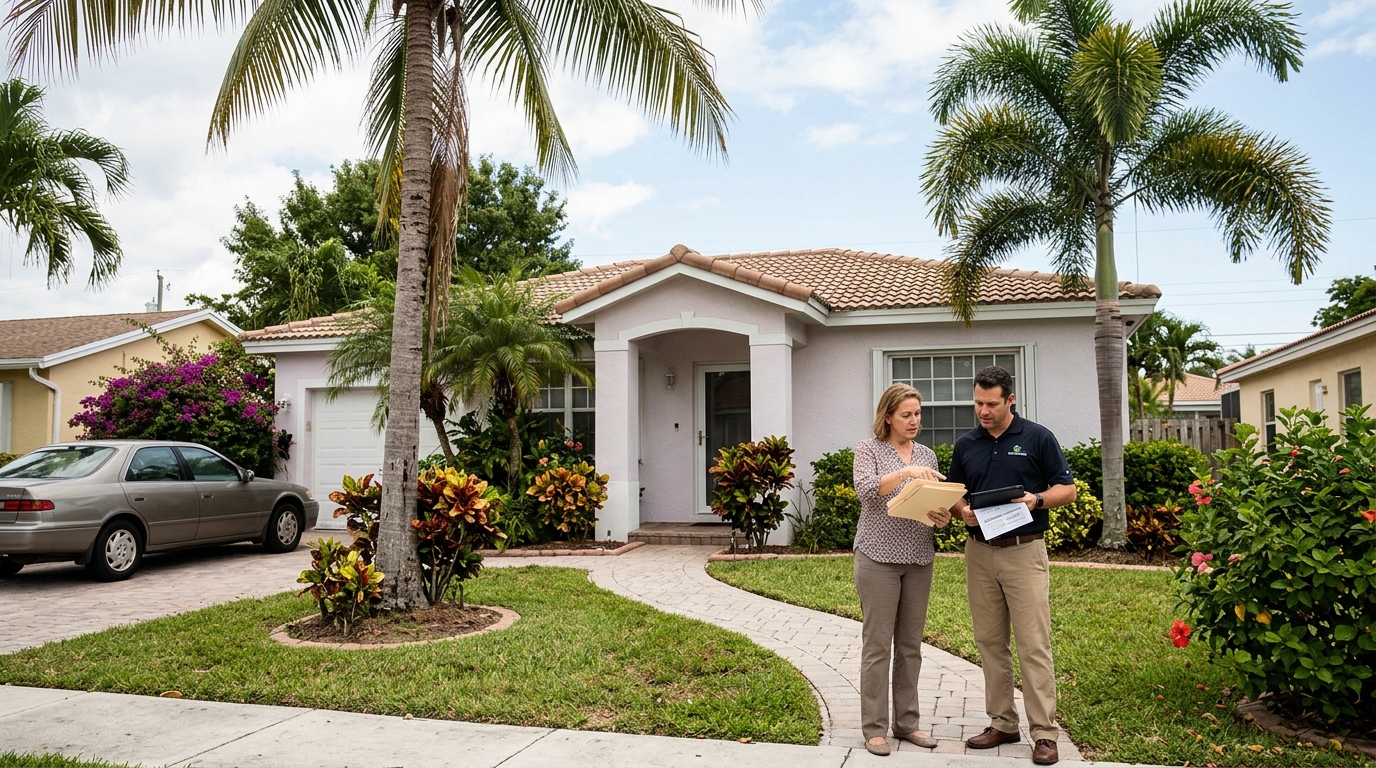
7. Are unpaid taxes or association charges being addressed?
The owner’s death does not automatically eliminate property related obligations. Outstanding property taxes, condominium assessments, homeowners association charges, and other recorded claims may affect the transaction.
The buyer should establish which amounts remain due and how they will be handled at closing. The legal consequences vary according to the type of obligation and the applicable documents.
A probate attorney can review the available records. Then he can coordinate with the closing professionals to identify matters requiring payment, payoff, or further investigation.
What the attorney checks: Tax records, association estoppel information where applicable, recorded claims, and proposed closing adjustments.
Potential risk: An overlooked balance affects the closing figures or creates a dispute about who must pay.
8. Does anyone have a right to occupy the property?
An inherited property may still be occupied by a surviving spouse, or a person with a potential right to remain there. Ownership and possession are separate questions.
A buyer who expects to move in immediately should establish whether the property will be delivered vacant. He needs to see whether any lease, court order, or other legal arrangement affects possession.
What the attorney checks: Existing leases, occupancy agreements, relevant court orders, ownership interests, and the contract’s possession provisions.
Potential risk: The buyer closes but cannot take possession as expected, potentially leading to additional legal expenses.
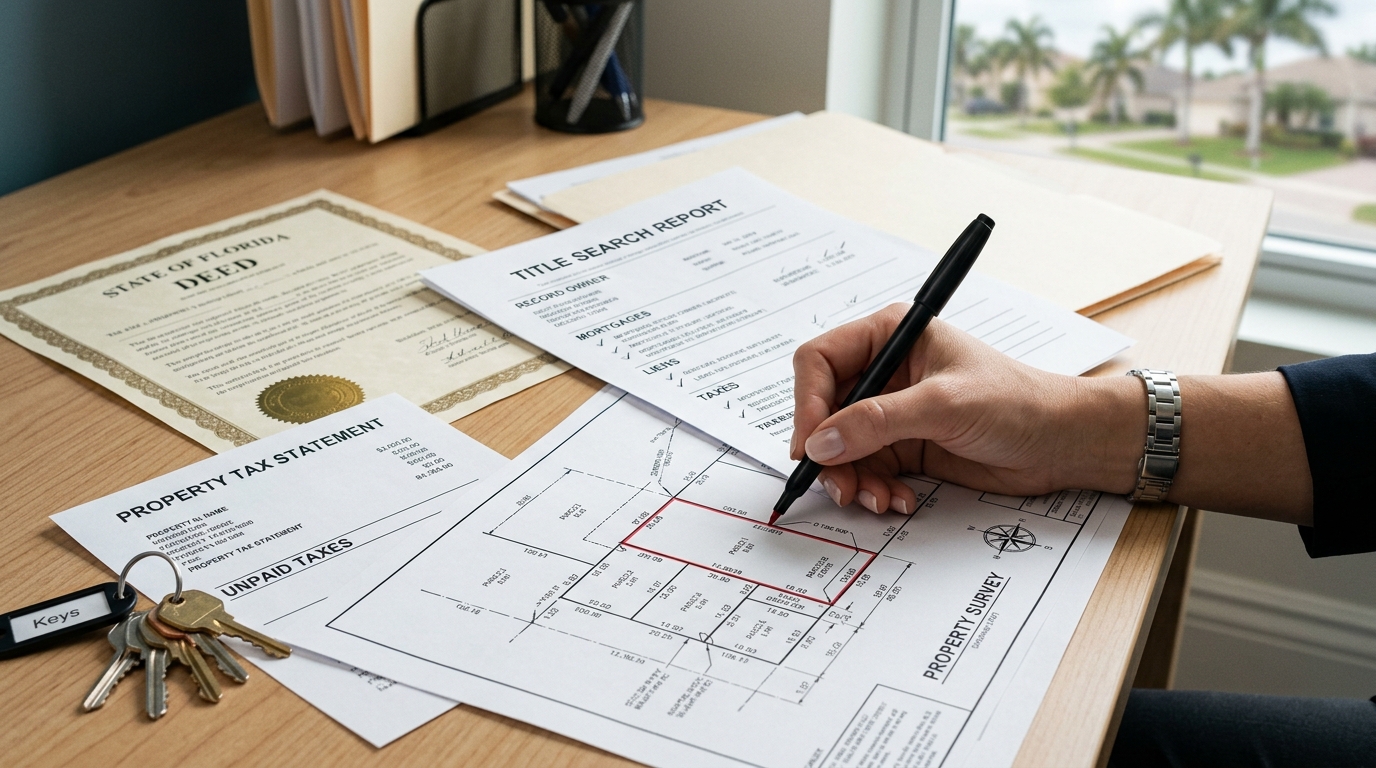
9. Did the deceased owner sign a contract before dying?
The death of a property owner does not necessarily extinguish an existing contractual obligation involving the property.
Florida Statute § 733.612 addresses a personal representative’s authority to perform, compromise, or refuse to perform the decedent’s contracts. This includes enforceable contracts to convey or lease real property.
A probate attorney can investigate whether a prior purchase agreement, lease, or other binding arrangement affects the proposed transaction.
What the attorney checks: Existing contracts, escrow records where available, recorded instruments, and the estate’s treatment of outstanding contractual obligations.
Potential risk: The buyer enters a new agreement without accounting for an earlier contract that may still affect the property.
10. Is the transaction affected by a conflict of interest?
A personal representative may have a financial interest in a transaction involving estate property. That circumstance deserves attention, especially when the buyer is purchasing from the personal representative or a related party.
Florida Statute § 733.610 addresses transactions involving conflicts of interest. Certain transactions are voidable by an interested person unless an applicable exception applies. Some of this include authorization under the will or approval by the court after notice to interested persons.
The presence of a related party does not automatically invalidate a sale. The relevant facts and statutory exceptions must be examined.
What the attorney checks: The identities and interests of the parties, the transaction terms, relevant disclosures, and any required authorization or court approval.
Potential risk: A transaction becomes the subject of a challenge because a conflict was not handled in accordance with the law.
11. Does the purchase contract protect the buyer if a problem emerges?
A contract should account for the actual circumstances of the transaction. Buyers should understand the inspection provisions, financing conditions, deadlines, deposit terms, title requirements, and remedies available if the seller cannot complete the sale.
Estate transactions may require additional time for court proceedings or documentation. The contract should address relevant requirements. It should never assume that every step can be completed on an ordinary residential closing schedule.
An attorney can review the proposed agreement and identify provisions that may leave the buyer exposed if a title issue emerges or a required approval is delayed.
What the attorney checks: Closing conditions, title objections, inspection rights, deadlines, deposit provisions, and remedies for nonperformance.
Potential risk: The buyer loses contractual options or faces a deposit dispute because the agreement does not adequately address a foreseeable problem.
12. Are there property issues that require further professional investigation?
Probate review cannot replace a physical inspection or technical assessment. An inherited home may have been vacant for an extended period, and its condition may not be fully understood by the person managing the estate.
The attorney can identify legal and contractual questions involving unpermitted additions, code enforcement matters, zoning restrictions, or unresolved property disclosures. The buyer may need to consult a licensed inspector, surveyor, engineer, insurer, or other qualified professional to investigate the underlying issue.
What the attorney checks: Available property records, relevant contract provisions, disclosure documents, and legal notices that may affect the intended use of the property.
Potential risk: The buyer proceeds without investigating a problem that could require expensive repairs or restrict how the property can be used.
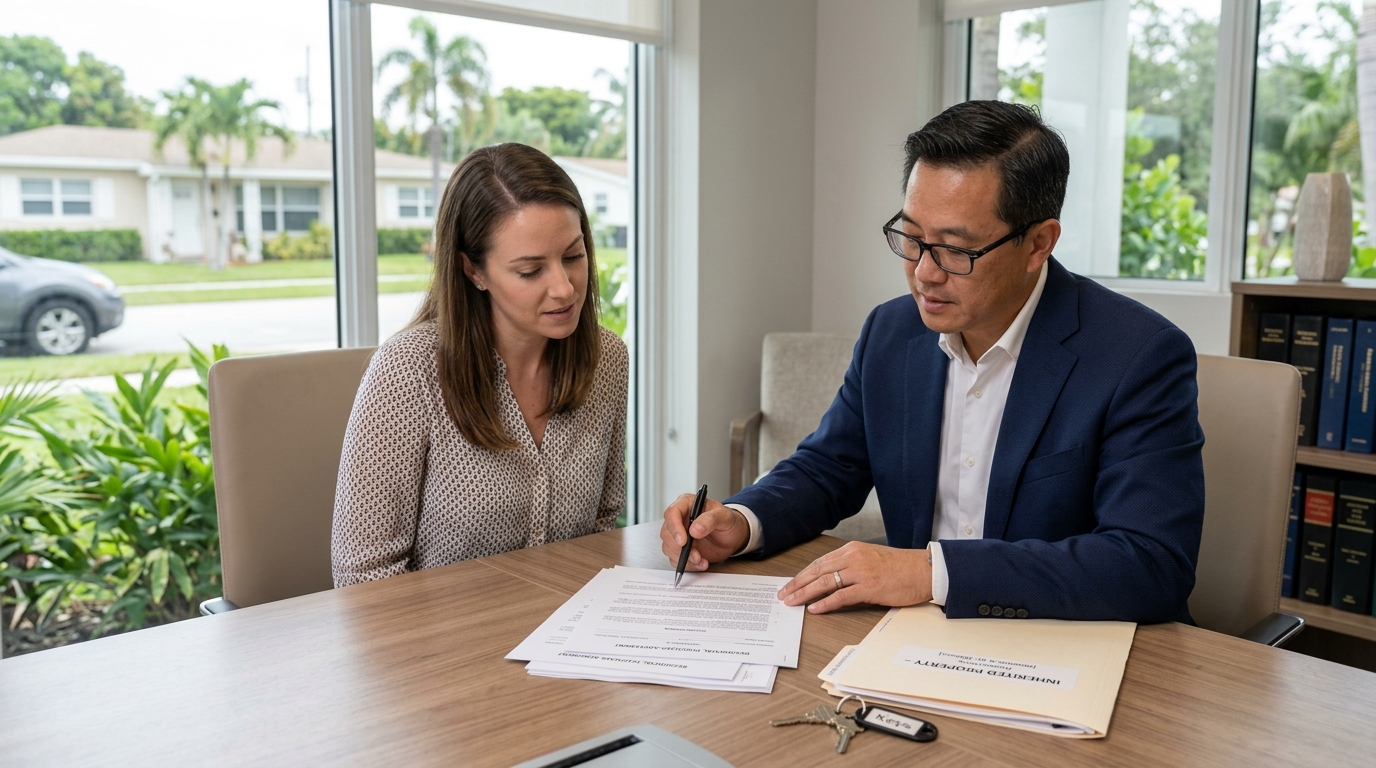
Before closing: a practical checklist
Before purchasing inherited property in Florida, buyers should establish the following:
- Who currently owns the property and who has authority to convey it.
- Whether the personal representative needs court authorization or confirmation.
- Whether homestead rules or the interests of a surviving spouse or descendants affect the sale.
- Whether recorded liens, mortgages, taxes, or association charges remain outstanding.
- Whether a lease, prior contract, or ownership dispute affects the transaction.
- Whether the purchase contract provides appropriate protections if a legal requirement cannot be satisfied.
- Whether title review, inspections, insurance, financing, or other professional checks remain outstanding.
The answers will depend on the property’s ownership history and the circumstances of the estate. No checklist can guarantee clear title or eliminate every risk, but identifying these issues early can help a buyer avoid preventable complications.
When should a buyer consult a Florida probate attorney?
Legal review is particularly worth considering when a property is being sold directly by an estate, when the seller is one of several heirs, when the deceased owner had a surviving spouse, or when the estate’s authority to sell is unclear.
A buyer should also seek guidance when a title search reveals an unusual ownership history or when a pending probate dispute could affect the transaction.
A probate attorney can assess the estate related legal issues and coordinate with the professionals responsible for title, inspections, financing, and closing. The goal is to identify problems before the buyer becomes committed to a transaction that may be difficult or expensive to complete.
Considering buying an inherited property in Coral Springs or elsewhere in Broward County? MyPersonalAttorneys can help you understand the probate issues that may affect the transaction and determine what legal questions need to be resolved before closing.
This article provides general information about Florida law. The legal requirements for a particular sale depend on the property’s title, the estate documents, and the facts of the transaction. It is not a substitute for advice from an attorney who has reviewed the relevant records.