
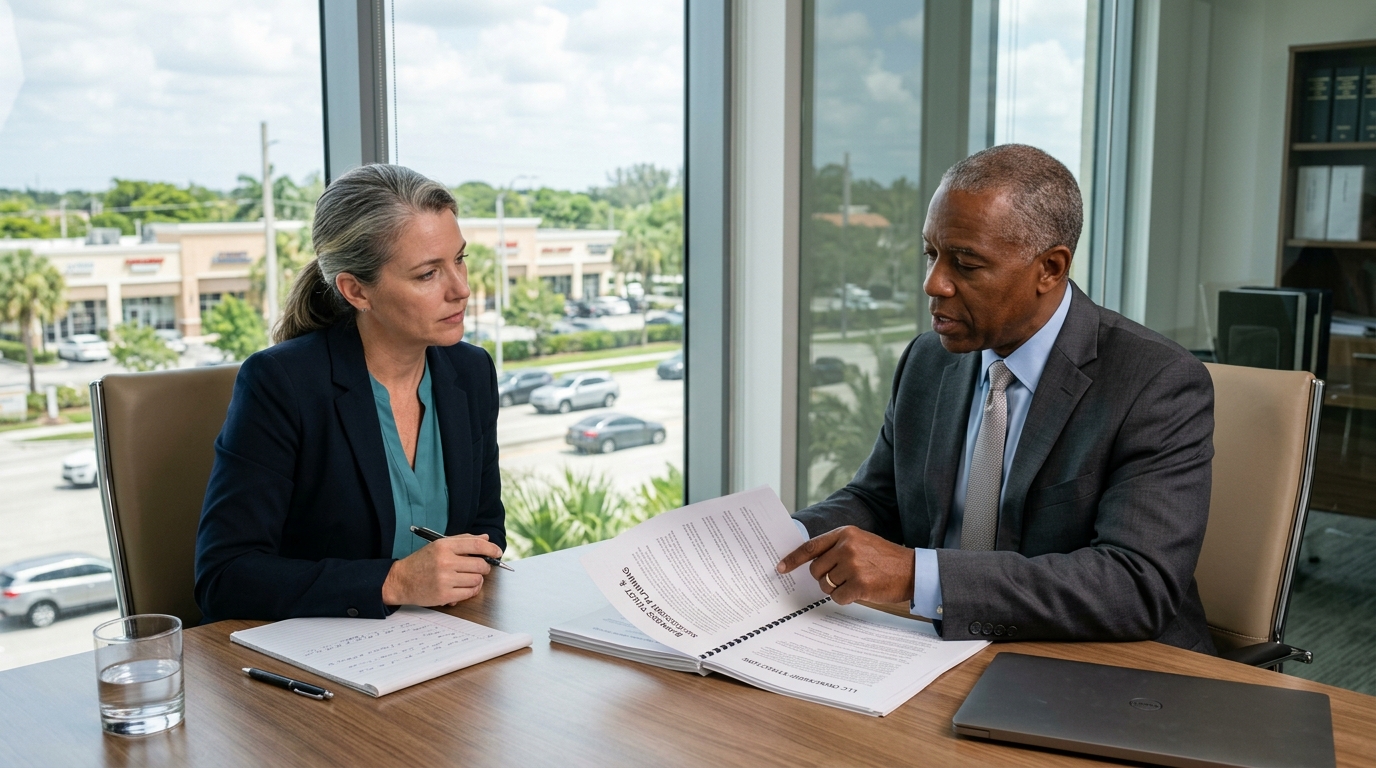
A business can have a clear ownership structure on paper and still be poorly prepared for a change in ownership. Consider a Coral Springs company whose founder holds most of the membership interest in an LLC. The founder becomes incapacitated, and the family discovers that inheriting the financial value of the company does not necessarily give them the authority to run it. The remaining members may have their own interpretation of the operating agreement. Meanwhile, employees still expect payroll, and someone has to make decisions.
The problem is not necessarily that the owner failed to make a will. The problem may be that the estate plan and the business documents were prepared separately, without accounting for what would happen if the person in control could no longer act.
This is one reason business trusts deserve careful consideration. Depending on the company’s structure and the owner’s objectives, a trust can form part of a plan for managing business interests during incapacity or transferring them after death. But a trust is not an automatic solution to every ownership problem. Its usefulness depends on how it interacts with the company’s governing documents, the rights of other owners, and the authority granted to the trustee.
The attorney should understand how the company operates, who holds decision making authority, and what would happen to those arrangements if the owner became incapacitated or died.
For owners of small and medium sized businesses in Coral Springs and throughout Broward County, those questions deserve attention before a crisis forces the issue.
Why business succession deserves attention in Florida
Florida’s business landscape includes companies at very different stages of development. A family owned construction firm may have several generations involved in its operations. A professional services company may depend heavily on one partner’s relationships with clients. A growing distributor may have substantial inventory and contractual obligations that the company cannot simply put on hold when ownership changes.
The consequences of an owner’s death or incapacity will differ across these businesses.A plan designed for a single-owner company without employees fails to meet the needs of a medium-sized company with multiple members and a management team.
The scale of Florida’s business community helps explain why these questions matter. The U.S. Small Business Administration’s Office of Advocacy reported approximately 3.3 million small businesses in Florida in its 2024 state profile. Small businesses accounted for approximately 99.8 percent of the state’s businesses. These figures concern the SBA’s small business category, rather than the entire small and medium sized business sector, but they illustrate the extent to which Florida’s economy depends on privately operated companies.
Now consider what happens when the owner of one of those companies dies. The business does not necessarily close, and its contracts do not automatically disappear. Yet the person who understood its finances or held the authority to approve major decisions may no longer be available. Family members might inherit an economic interest without having the right to manage the company. Business partners may disagree about who should take control.
These problems often arise from a mismatch between the owner’s personal estate plan and the company’s legal structure.
How Florida LLC Law (F.S. § 605.0502) Separates Management Rights from Ownership
Florida law makes that distinction particularly relevant for limited liability companies. Under Florida Statutes §605.0502, transferring an LLC interest does not automatically transfer every right associated with membership. An assignee’s economic rights are distinct from the rights to participate in management.
An owner who wants a spouse or child to inherit a business interest should therefore examine the company’s operating agreement alongside the estate plan. A trust may be useful, but the documents need to work together.
What does a business trust attorney actually do?
A business trust attorney helps determine whether a trust fits the owner’s objectives and, if it does, designs and integrates the trust with the rest of the company’s legal arrangements.
A trust generally involves a settlor who creates it, a trustee who administers the property, and beneficiaries who receive its benefits. The exact rights and duties depend on the trust document and the applicable law. A business trust may hold an ownership interest or other assets associated with a company, although the appropriate structure depends on the nature of the business.
Suppose the owner of a Coral Springs consulting firm wants a daughter to receive the financial benefit of the company after the owner’s death, while an experienced business partner continues managing its daily operations. Those objectives may be compatible, but they raise questions about who can vote on company matters, who receives distributions, and what happens if the daughter and the partner disagree.
A trust can define how owners hold or manage their equity interest. It cannot, by itself, erase restrictions in an operating agreement or guarantee that the intended management arrangement will work.
The same distinction matters when an owner is concerned about incapacity. Who has authority to act if the owner cannot make decisions? Would the company have enough continuity to keep operating? Does the existing estate plan address the ownership interest, or does it focus primarily on personal assets?
These are the questions that should guide the legal work. The trust is one possible instrument, not the starting assumption.
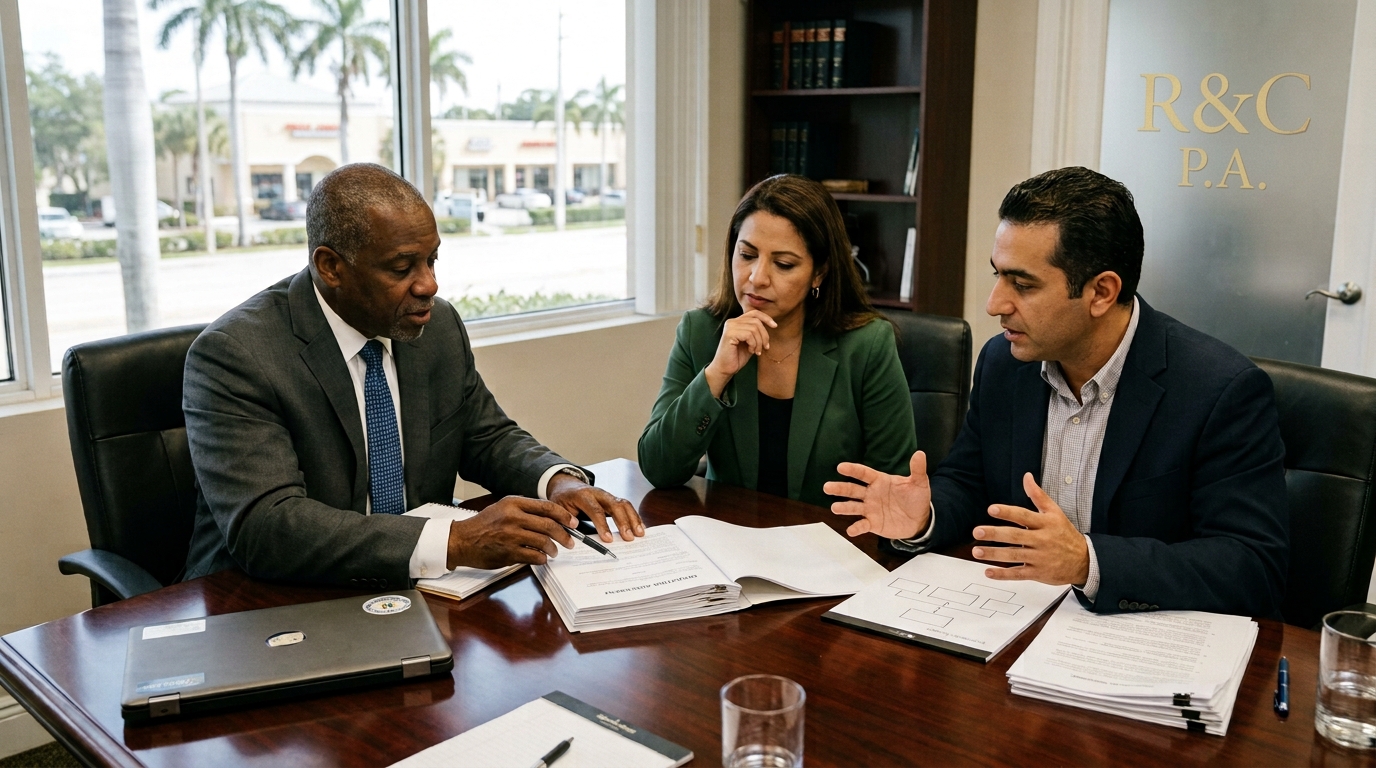
Eight things to look for when choosing a business trust attorney
1. Experience with Florida trust law and business ownership
Trust law and business law overlap, but they are not interchangeable. An attorney may have experience preparing family trusts without regularly handling business ownership questions. Another may understand LLC formation but have limited experience with trust administration.
For a business owner, the relevant experience lies in understanding how these areas interact.
Ask the attorney about their experience with trusts that hold business interests. Ask how they would approach a proposed transfer of an LLC interest into a trust. The answer should account for the company’s governing documents and any restrictions that might affect the transfer.
Florida’s Trust Code, Chapter 736, establishes duties and rules that can affect the administration of a trust. A lawyer advising on business succession should understand the responsibilities the trustee may assume and the rights beneficiaries may have.
You do not need a guarantee that no dispute will ever arise.. You need an explanation of the legal issues that apply to your particular business.
2. An assessment of your existing business structure
Attorneys should never draft a trust in isolation from the company it serves.
An attorney should review the operating agreement if the company is an LLC. For a corporation, the relevant documents may include its bylaws and shareholder agreements. Existing buyout provisions or restrictions on transfers can affect what happens when an owner dies or becomes incapacitated.
Consider a company with two owners who have different levels of involvement. One manages operations while the other provides capital. If the second owner’s interest passes to a beneficiary through a trust, the business still needs to determine who can make management decisions and whether the surviving owner has any purchase rights.
The trust document cannot answer every one of those questions on its own.
Florida Statutes §605.0502 is particularly relevant because an assignment of an LLC interest does not necessarily grant the recipient management rights. The attorney should establish whether the proposed arrangement fits the operating agreement before recommending a transfer.
This review may reveal that the company must update its existing documents before our team prepares a trust.. That is useful information, even if it means the legal work becomes more involved than the owner initially expected.
3. A realistic plan for incapacity
Death is only one reason an owner may become unable to manage a company. A serious illness or accident can leave the business without its usual decision maker while the owner remains alive.
The legal plan should address what happens during that period.
A revocable trust may allow a successor trustee to manage assets held in the trust under the authority granted by its terms. However, the trust does not automatically give that person authority over every aspect of the business. The company’s governing documents and the nature of the ownership interest still matter.
You do not need a guarantee that no dispute will ever arise. If the owner expects someone to manage the company itself, the plan may need additional provisions or separate arrangements.
Florida Statutes §736.0601 addresses the capacity required to create or amend a revocable trust. This is one reason owners should review their arrangements while they can still make informed decisions about them.
If incapacity is already a concern, the attorney should explain which existing documents remain effective and whether any further steps are legally available.

4. Careful selection of a successor trustee
The person who inherits the financial benefits of a business may not be the right person to administer its ownership interest. The same applies to a family member whom the owner trusts personally, but who lacks experience handling business obligations.
A successor trustee may need to communicate with company managers, understand distributions, comply with the trust’s terms, and make decisions affecting beneficiaries. The role can become demanding when the business has several owners or the beneficiaries disagree.
Ask how the attorney approaches successor trustee selection. The discussion should address the candidate’s ability to carry out the role and the practical consequences if that person declines to serve or becomes unable to continue.
It is also worth discussing whether a professional fiduciary would be appropriate. While that option introduces additional fees, business owners should consider it when the trust holds a substantial business interest or when family relationships create strain.
The goal is to appoint someone capable of carrying out the plan, rather than selecting a trustee solely because they are the closest relative.
5. Honest advice about taxes and creditor protection
Be cautious if an attorney suggests that creating a business trust automatically eliminates estate taxes or protects every asset from creditors.
Those claims confuse separate legal questions.
Business owners commonly use a revocable trust to manage and transfer assets.. Assets in a properly funded revocable trust may avoid the ordinary probate process for those assets, depending on how they are titled and the applicable law. That does not mean the assets automatically escape federal estate tax calculations.
The IRS explains the federal estate tax framework in its Instructions for Form 706. Whether a particular estate owes tax depends on the applicable rules and the facts of the estate. Florida does not currently impose a separate state estate tax under its general estate tax framework, but federal obligations may still apply.
Creditor protection is another distinct issue. Under Florida Statutes §736.0505, property in a revocable trust is generally subject to the settlor’s creditors during the settlor’s lifetime. Creating a revocable trust should not be presented as a way to make personal debts disappear.
An attorney should explain which objective the proposed arrangement is intended to serve. Probate avoidance, tax planning, and creditor protection involve different legal rules. A strategy aimed at one may not accomplish the others.
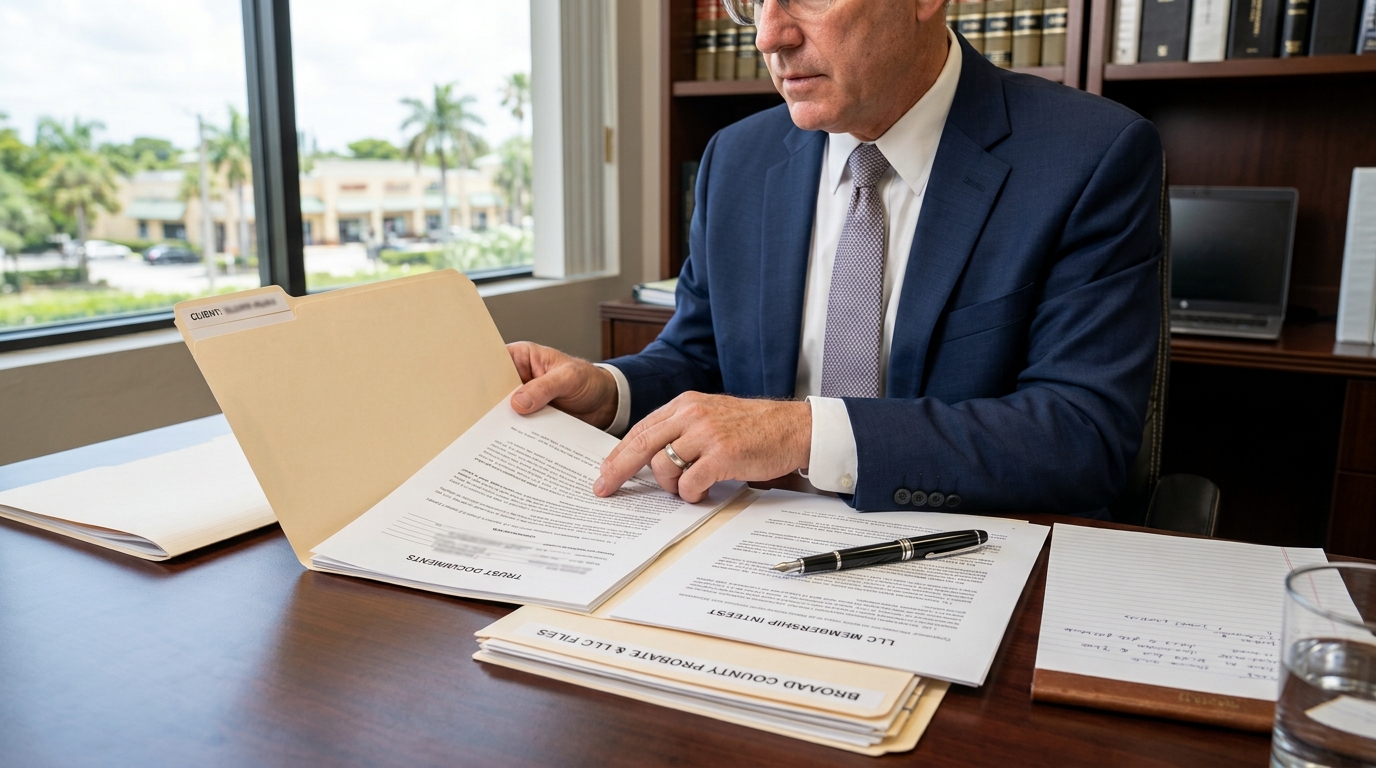
6. Proper funding and coordination of the trust
A signed trust document does not automatically place every intended asset under the trustee’s control. The assets must be transferred or otherwise connected to the trust in the appropriate manner.
For a business owner, this may involve an LLC membership interest or shares in a corporation. The correct procedure depends on the company’s legal structure and any restrictions imposed by its governing documents.
This is where an incomplete estate plan can fail in a particularly frustrating way. The owner may have paid for a trust and named the intended beneficiaries, yet the business interest remains outside it because the necessary transfer was never completed.
The attorney should explain what must be signed, whether company approvals are needed, and what records should be updated. If other professionals are involved, the owner should know who is responsible for each step.
Funding also deserves review after the initial work is finished. A company may change its ownership structure or issue additional interests as it grows. An estate plan that once reflected the owner’s wishes can become outdated if no one checks whether the documents still match the business.
7. A plan for disagreements within the family
Business succession becomes more complicated when the people who inherit an interest have different expectations.
One beneficiary may want the company to continue operating. Another may prefer to receive cash from a sale. A trustee may be required to consider the interests of several beneficiaries while complying with the trust’s terms.
Florida law imposes duties on trustees. Under Florida Statutes §736.0813, trustees have duties concerning information and accountings for qualified beneficiaries, subject to the statute’s terms and applicable exceptions.
The details matter because beneficiaries may have legitimate questions about the business interest held in trust. They may want to understand its value or how distributions are being handled. A trustee who cannot explain the decisions being made may find it difficult to maintain confidence among beneficiaries.
Ask the attorney how the trust would address competing interests. The answer should reflect the company’s circumstances rather than assume that family members will agree simply because they share a surname.
The trust document should establish clear rules where possible. The attorney should also explain which disagreements may still require negotiation or court involvement.
8. Clear fees and a defined scope of work
Before hiring an attorney, establish what the engagement covers.
Does the fee include reviewing the company’s operating agreement? Will the attorney prepare the trust and the necessary transfer documents? If amendments to existing business documents are needed, are those included or billed separately?
These questions are especially relevant for small and medium sized companies that need to manage legal expenses alongside ordinary operating costs.
A low initial fee may cover only the trust document. That may be sufficient for a straightforward personal estate plan, but a business owner may need additional work to coordinate ownership rights and succession arrangements.
Ask for a clear explanation of the proposed work and the circumstances that could increase the cost. You should understand what the attorney intends to prepare before authorizing the engagement.
Questions to ask during your consultation
The first meeting is an opportunity to find out whether the attorney understands your actual concerns. You do not need to know every detail of Florida trust law before attending. You should, however, leave with a clearer picture of the legal work involved.
Consider asking:
- Have you worked with trusts that hold interests in Florida LLCs or corporations?
- What parts of my existing business documents need to be reviewed?
- Would the proposed trust affect who can manage the company?
- What happens if I become incapacitated and cannot make business decisions?
- What steps are required to transfer the intended ownership interest into the trust?
- Could the arrangement create tax consequences or leave the assets exposed to creditors?
- Who would administer the trust if my first choice could not serve?
- What work is included in your fee, and what might require a separate engagement?
Pay attention to whether the attorney gives specific answers or relies on broad assurances. A good consultation should identify the relevant legal issues and explain what further information is needed before a recommendation can be made.
Why local experience can matter in Coral Springs and Broward County
A business trust attorney does not need to be located in the same city as the company to provide sound legal advice. Florida trust law applies statewide. Nevertheless, an attorney familiar with the Coral Springs and Broward County business community may be well placed to understand the kinds of ownership arrangements local business owners bring to a consultation.
The City of Coral Springs Economic Development Office provides information and resources for the local business community. It can be a useful starting point for understanding the area’s business environment, although it does not certify attorneys or evaluate their legal work.
For an owner choosing counsel, local familiarity should be one consideration rather than the deciding factor. Relevant experience with trust administration and business succession matters more than an office address alone.
The right attorney should be able to explain the legal consequences of the proposed arrangement in plain language. You should understand why a particular structure is being recommended and what it will not accomplish.
When should you consider a business trust?
There is no single stage of business development at which every owner needs a trust. The question is whether your current arrangements address the circumstances you are trying to prepare for.
A review may be worth considering if you own a substantial interest in an LLC, expect a family member to inherit your ownership, or want someone else to administer that interest if you become incapacitated. It may also be useful when the business has grown and the original ownership documents no longer reflect the way the company operates.
A trust may not be the best answer in every case. Some succession concerns are better
Get Clear Answers About Your Company’s Future
Planning for ownership transitions requires careful attention, but you do not have to navigate complex Florida statutes alone. Unclear succession terms create friction, yet the right legal adjustments restore stability to your business plan.
At mypersonalattorneys.com, we review your current operating agreements to confirm that your estate plans function properly under state law. We provide the dedicated, direct guidance required to resolve your specific corporate concerns.