
Negotiation, Mediation or Arbitration? How Florida Businesses Resolve Disputes

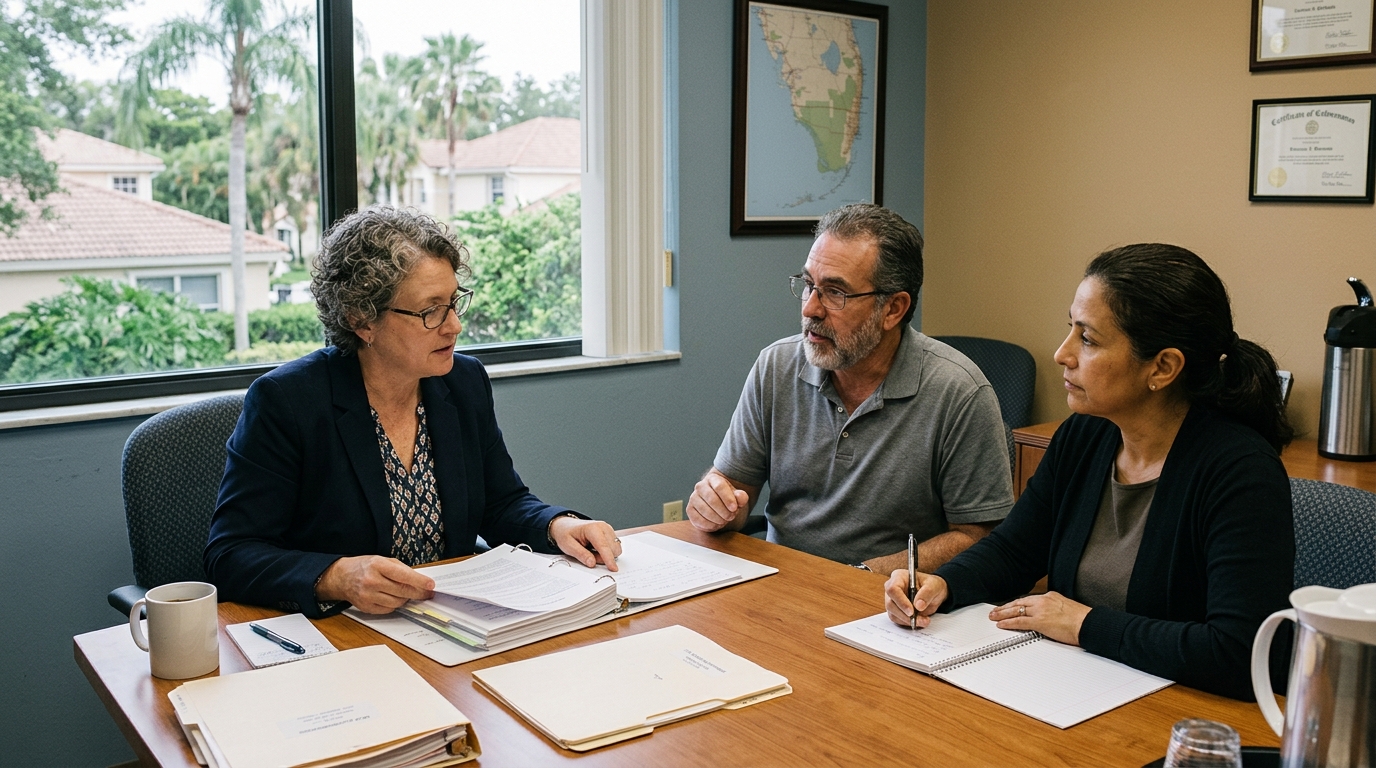
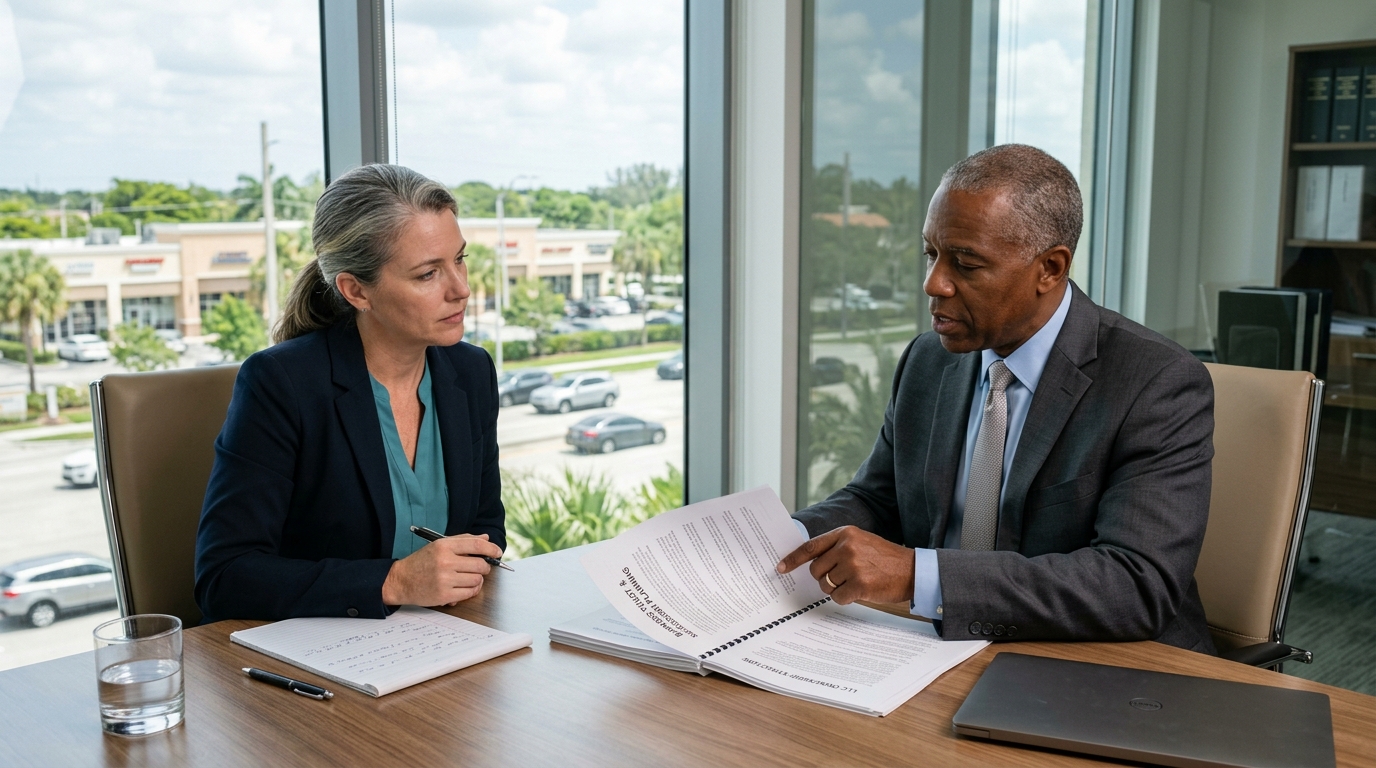
Business attorney negotiating a commercial dispute with a business owner in Coral Springs, Florida

When two businesses have a serious disagreement, a lawsuit is only one possible destination.

The parties can negotiate directly. They can bring in a mediator. Some can agree to arbitration. They can also end up in court.

Those processes are different in ways that matter. Negotiation leaves the decision with the parties. Mediation brings in a neutral person to help them reach an agreement. Arbitration gives a neutral decision maker authority to decide the dispute. Litigation puts the dispute into the court system.

The contract may have something to say about all of this, too.

A business that understands its dispute resolution options can make better decisions about how to proceed. A business that discovers its contract requires arbitration after the dispute has already exploded may have a rather different experience.


Can a Business Resolve a Dispute Without Going to Court?

Yes.

Businesses can resolve disputes through negotiation, mediation, arbitration, or settlement after litigation has begun.

A contract may also require one of these processes. For example, an agreement might require the parties to attempt mediation before filing a lawsuit or require arbitration instead of litigation.

Florida law recognizes written agreements to arbitrate existing or future disputes as valid and enforceable, subject to ordinary legal grounds for revoking a contract. Florida law also gives courts authority to determine whether an agreement to arbitrate exists and whether a particular dispute falls within its scope. Fla. Stat. § 682.02.

So before deciding how to resolve a dispute, read the contract that created the business relationship.

It may have already made some decisions for you.


What Is Negotiation in a Business Dispute?

Negotiation is the most direct form of dispute resolution.

The businesses, their representatives, or their attorneys discuss the disagreement and attempt to reach an agreement. No judge or arbitrator imposes an outcome.

That gives the parties considerable freedom.

A court might award damages. Two businesses negotiating with each other could agree to something entirely different. They might restructure a payment schedule, modify a contract, provide credits, exchange services, return equipment, or agree to end the relationship on specific terms.

Negotiation can also preserve options that disappear once someone else has the authority to decide the case.

And there is one obvious advantage: the parties get to decide what they are willing to accept.

That sounds simple until you have watched two perfectly intelligent business owners spend three hours arguing over a $4,000 invoice because the invoice has somehow become a matter of principle.


What Is Mediation?

Mediation adds a neutral third person to the discussion.

The mediator facilitates communication, helps identify the issues, explores possible solutions, and assists the parties in reaching a voluntary agreement. The mediator does not decide who wins. Florida law expressly defines the mediator’s role this way. Fla. Stat. § 44.403.

That distinction separates mediation from arbitration.

A mediator cannot order one business to pay another. The parties decide whether to settle and what the settlement will contain.

Mediation can therefore be useful when the parties are capable of reaching an agreement but have reached the point where talking directly produces more frustration than progress.

Florida law also provides confidentiality and privilege protections for mediation communications, subject to statutory exceptions. Fla. Stat. § 44.405.

That can give parties room to discuss settlement possibilities without assuming that every statement made during mediation will later appear in court.

The protection has limits. For example, a signed written settlement reached during mediation is not automatically treated as confidential in the same way as ordinary mediation communications.


Is Mediation Required in Florida?

Not every business dispute has to go through mediation.

Mediation may be required by a contract, ordered by a court, or chosen voluntarily by the parties. Florida law specifically provides for court ordered mediation and other forms of mediation and arbitration.

The distinction matters because a contractual mediation clause can impose requirements that would not exist in a purely voluntary mediation.

The Florida court system also has rules governing mediation in civil cases.

So if a business receives notice that mediation has been scheduled, the right response is not necessarily, “We never agreed to this.”

There may be a court order, a contractual provision, or another legal basis for the mediation.


What Is Arbitration?

Arbitration is different from mediation because the arbitrator can decide the dispute.

The parties present their positions and evidence to an arbitrator or arbitration panel. The arbitrator then issues an award under the applicable agreement and law.

Florida’s Revised Arbitration Code, Chapter 682, governs arbitration agreements, proceedings, hearings, awards, confirmation, and judicial review.

The basic difference is straightforward:

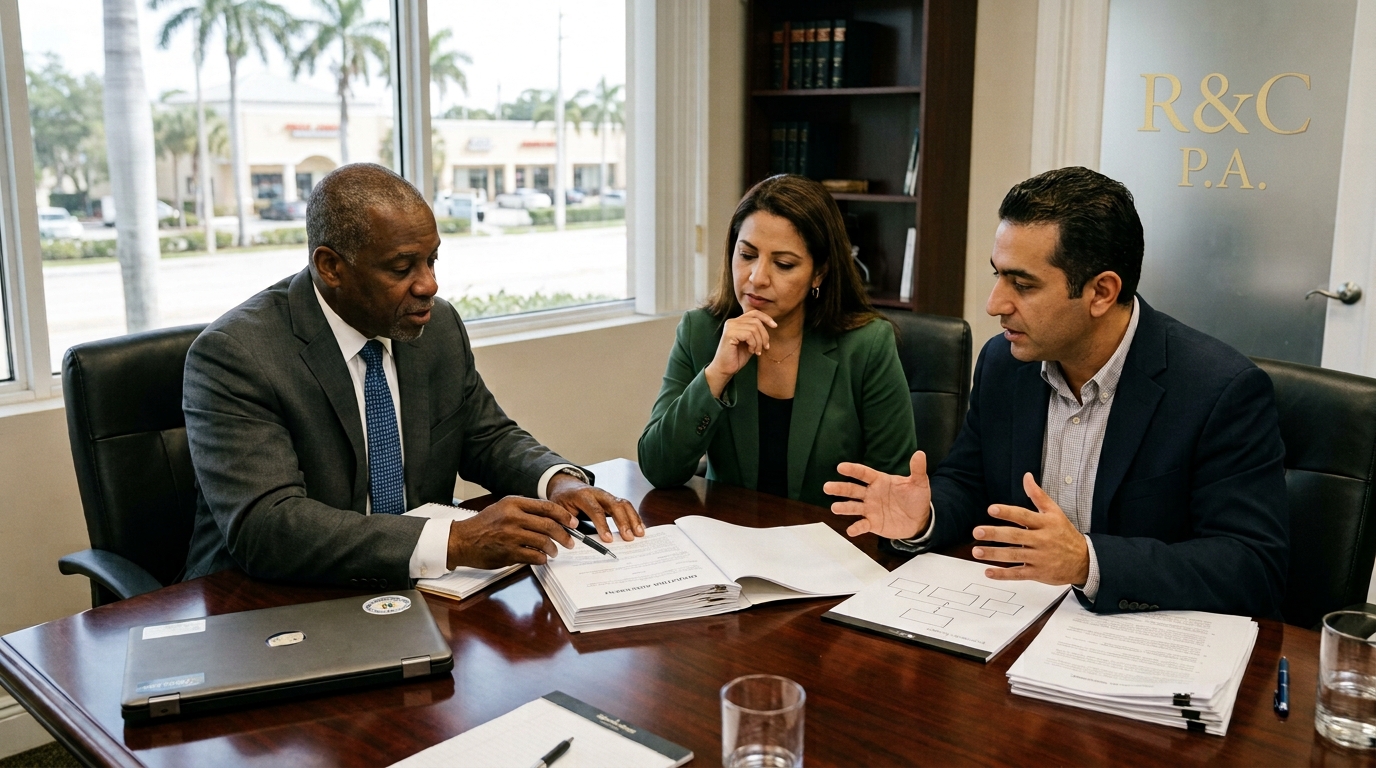
Business mediation with an attorney and two parties in Broward County, Florida

Mediation helps the parties make the decision. Arbitration gives the decision to someone else.

Arbitration can also provide procedures suited to a particular commercial dispute. Florida law permits arbitrators to issue subpoenas and, under certain circumstances, allow depositions and other evidence gathering. Fla. Stat. § 682.08.

That makes arbitration considerably more formal than sitting down with a mediator and trying to find a number everyone can live with.


Negotiation vs. Mediation vs. Arbitration vs. Court

NegotiationMediationArbitrationCourt
Who decides?The partiesThe partiesArbitratorJudge or jury
Neutral involved?NoYesYesYes
Can the neutral impose a result?NoNoYesYes
Binding decision without settlement?NoNoGenerally yesYes
ConfidentialityDependsProtected by Florida law, subject to exceptionsDepends on agreement and applicable rulesCourt proceedings are generally public
Procedural flexibilityHighHighVariesGoverned by court rules

The table captures the basic differences, but the contract can change the details.

That is particularly important with arbitration.


What Does an Arbitration Clause Actually Do?

An arbitration clause can determine where and how future disputes will be resolved.

A business contract might specify:

  • Which disputes must be arbitrated
  • Whether mediation comes first
  • How the arbitrator is selected
  • Which arbitration rules apply
  • Where arbitration takes place
  • What discovery is available
  • What remedies may be awarded
  • How fees are allocated
  • Whether attorney’s fees can be recovered

Florida law recognizes written arbitration agreements as enforceable and gives courts authority to determine whether an agreement exists and whether a dispute falls within its scope. Fla. Stat. § 682.02.

That creates an amusing legal possibility.

Sometimes the first dispute is about the contract.

Then everyone discovers that the contract contains a provision explaining how disputes about the contract are supposed to be resolved.

Now the parties are arguing about where they are allowed to argue.

The wording of the clause can therefore matter considerably before anyone has hired an arbitrator, mediator, or litigator.


Can You Challenge an Arbitration Award?

Yes, but judicial review is limited.

Florida’s Arbitration Code establishes specific grounds for vacating an award. They include circumstances such as fraud or corruption, evident partiality, certain forms of arbitrator misconduct, an arbitrator exceeding their authority, or the absence of an agreement to arbitrate in circumstances covered by the statute. Fla. Stat. § 682.13.

The law also provides limited grounds for modifying or correcting an award. Fla. Stat. § 682.14.

That makes arbitration an important decision to understand before the proceeding begins.

A party should not assume that arbitration simply provides a private version of a trial followed by the same broad appeal process.

It does not.


When Might Mediation Make Sense for a Business?

Mediation can be useful when both sides have reasons to consider a negotiated solution.

That may include situations where:

  • The businesses still need to work together.
  • The dispute involves several issues that can be traded against one another.
  • The parties want control over the final agreement.
  • The possible settlement could include terms a court would not conveniently impose.
  • The parties want a neutral person to help move negotiations forward.

Consider a supplier and customer arguing over defective products, unpaid invoices, delivery deadlines, and the future of their relationship.

A court can decide the claims that properly come before it.

The businesses, however, might agree to a credit, revised delivery schedule, replacement products, a partial payment, and a new contract.

Mediation gives them room to construct that kind of solution.


When Might Arbitration Make Sense?

Arbitration may be appropriate when the parties have agreed to it or choose it under applicable law.

Relevant considerations can include:

  • The language of the arbitration clause
  • The subject matter of the dispute
  • The desired procedures
  • The selection of the arbitrator
  • Discovery requirements
  • Privacy considerations
  • Available remedies
  • The limited grounds for challenging an award

Florida law also provides for confirmation of arbitration awards and entry of judgment on confirmed awards. Chapter 682 governs those procedures.

Arbitration therefore should not be treated as simply “court, but faster.”

The decision maker, procedures, evidence, costs, and review process can all be different.

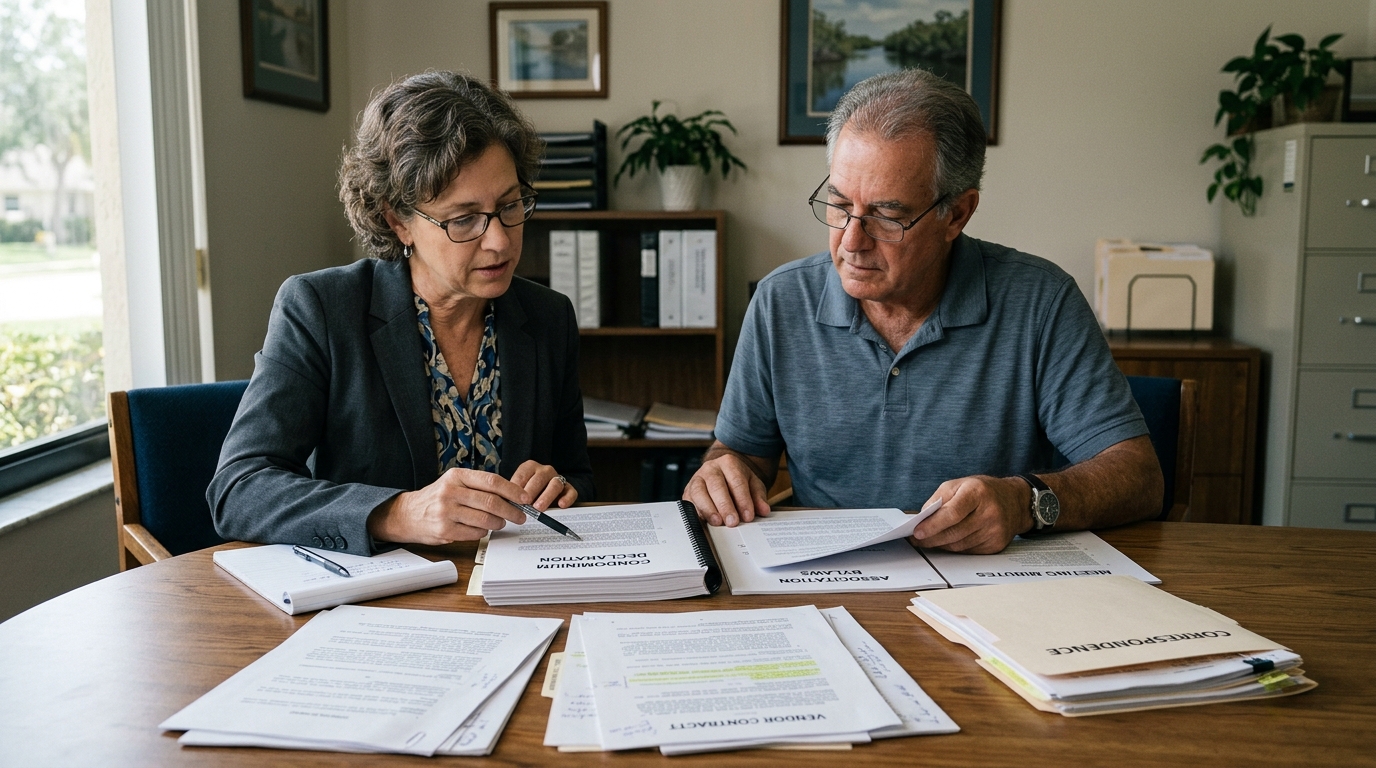
arbitration meeting for a Florida business dispute with an attorney and arbitrator

What Should a Business Look for in an ADR Clause?

Before signing a contract containing an alternative dispute resolution provision, read the clause carefully.

Look for:

  • Mandatory versus voluntary mediation
  • Mandatory versus voluntary arbitration
  • The disputes covered
  • Any requirement to mediate first
  • Selection of the mediator or arbitrator
  • Applicable rules
  • Location
  • Fee allocation
  • Attorney’s fee provisions
  • Discovery rights
  • Available remedies
  • Confidentiality provisions
  • Whether the arbitration is binding
  • Procedures for challenging the result

These provisions can sit unnoticed in a contract for years.

Then one day somebody has a dispute, opens the agreement, and discovers that the contract has already planned the itinerary.

Contracts are patient that way.


Resolving Business Disputes in Coral Springs and Broward County

Businesses in Coral Springs and throughout Broward County face many of the same commercial disagreements found elsewhere in Florida: contract disputes, vendor conflicts, partnership disagreements, payment disputes, ownership issues, and disagreements over the performance or termination of business agreements.

The appropriate process depends on the circumstances.

A business with a mandatory arbitration clause may have fewer choices than it expects. A business without one may have several. A company dealing with a continuing commercial relationship may approach mediation differently from one seeking a final decision.

The important first step is understanding what the contract requires and what each available process can actually accomplish.


Frequently Asked Questions

Is mediation the same as arbitration?

  • No. A mediator helps the parties reach their own agreement. An arbitrator can decide the dispute and issue an award under the applicable agreement and law.

A mediation requires in Florida business disputes?

  • Not automatically. Mediation may be required by contract, ordered by a court, or chosen voluntarily by the parties.

Is arbitration binding in Florida?

  • Arbitration can result in a binding award when the parties have agreed to binding arbitration or applicable law provides for it. Florida’s Arbitration Code governs the enforcement and review of arbitration awards.

Can an arbitration award be challenged?

  • Yes. Florida law provides specific grounds for vacating or modifying an arbitration award, but judicial review is limited. Fla. Stat. §§ 682.13–682.14.

Is mediation confidential in Florida?

  • Generally, yes. Florida law provides confidentiality and privilege protections for mediation communications, subject to statutory exceptions.

Can businesses settle after mediation?

  • Yes. The parties can continue settlement discussions after a mediation ends unless another legal or contractual provision prevents it.

Business Dispute Resolution in Coral Springs

Negotiation, mediation, arbitration, and litigation give businesses different ways to resolve disagreements.

The differences are practical: who controls the outcome, who makes the decision, how the process works, what remedies are available, and what happens after a decision is reached.

For a business in Coral Springs, Broward County, or elsewhere in South Florida, those questions can arise before a dispute exists, when a contract is being negotiated, or after the disagreement has already begun.

A business does not have to choose the same process for every dispute.

Sometimes the contract has already made the choice.

And sometimes the most useful legal advice is figuring out which process addresses the actual dispute instead of spending the next six months arguing about the process itself.

This article provides general information about Florida business dispute resolution and is not a substitute for legal advice concerning a particular dispute or contract.

Florida Property Deeds & Titling: Choosing the Right Ownership Structure to Avoid Probate

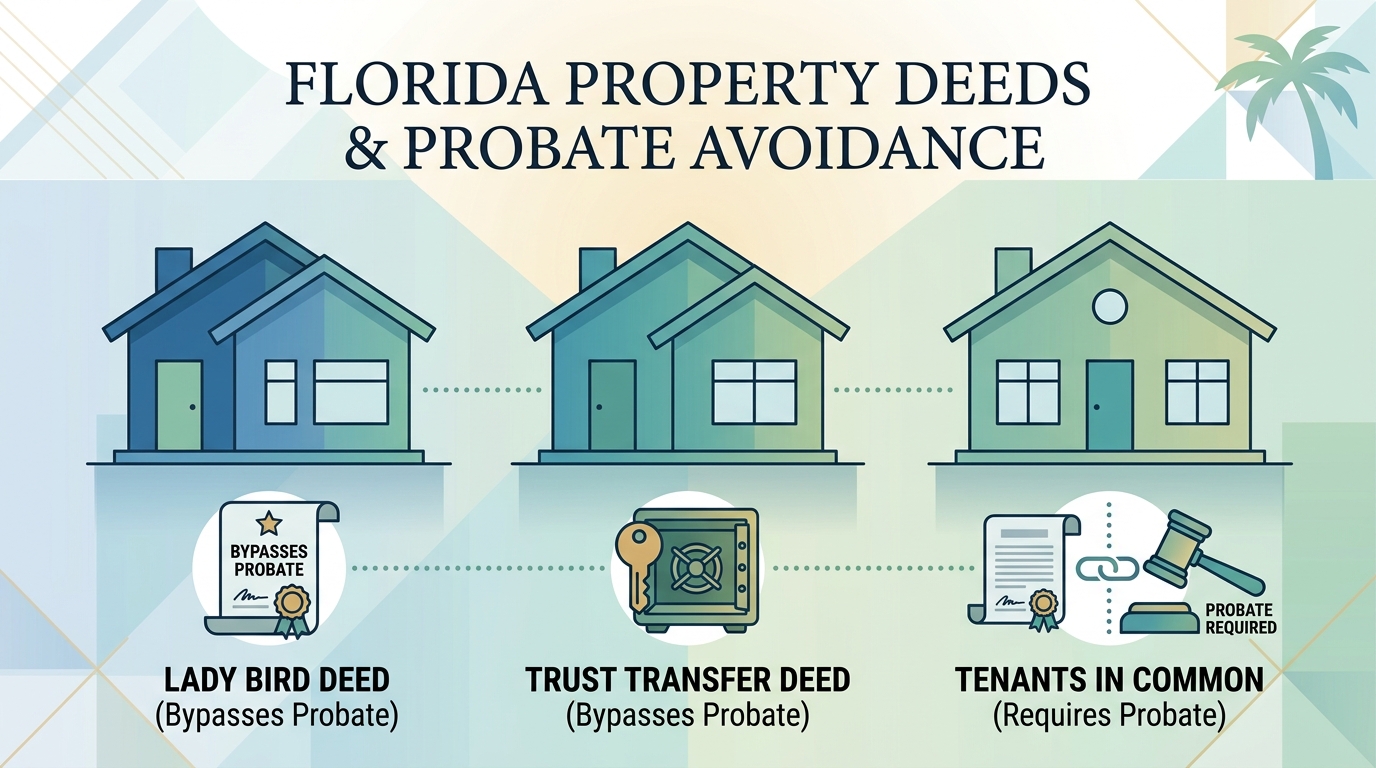
An illustrative visual guide comparing Florida property deeds including Lady Bird Deeds, Quitclaim Deeds, and Trust Transfer Deeds for probate avoidance.

The primary property deeds used in Florida estate planning are Warranty Deeds, Quitclaim Deeds, and Enhanced Life Estate Deeds (commonly called Lady Bird Deeds).

While a deed physically transfers legal title to real estate, the way ownership is titled determines a lot. For example – whether your home must pass through Broward County probate court or transfer automatically to your loved ones upon your death. Understanding the distinction between legal deeds and property titling structures is one of the most effective ways to protect real estate assets, minimize tax exposure, and prevent costly judicial delays for Florida families.


Deeds vs. Titling: Understanding the Fundamental Difference

To build an effective estate plan, it is critical to separate the transfer instrument from the form of ownership:

  • The Deed (The Vehicle): The legal document signed, executed, and recorded in the county public records to transfer real estate ownership from a grantor to a grantee.
  • The Titling / Ownership Form (The Rules): The specific statutory language. Written directly into the deed that dictates who holds ownership rights today. For example how liabilities are shared, and what happens to the property when an owner passes away.

Even a perfectly drafted Warranty Deed will fail to keep your home out of probate court if the underlying titling structure is misconfigured under Florida real estate law.


Comprehensive Comparison: Florida Property Deeds & Estate Planning Tools

Different real estate deeds serve distinct legal purposes during property transfers and estate planning:

Deed / Structure TypeProbate Avoidance?Owner Retains Lifetime Control?Primary Estate Planning & Legal Use Case
Lady Bird Deed (Enhanced Life Estate)YesYes (Can sell, mortgage, or revoke without consent)Passing a Florida primary homestead directly to named beneficiaries outside probate without sacrificing Medicaid eligibility or lifetime control.
Traditional Life Estate DeedYesNo (Requires remainder beneficiary consent to sell or refinance)Transferring property with irrevocable remainder rights. Rarely used in modern estate planning due to loss of owner flexibility.
Trust Transfer DeedYesYes (Managed seamlessly via Trustee)Conveying real estate into a Revocable Living Trust to coordinate complex, multi-property, or multi-state real estate holdings.
Quitclaim DeedNo (Unless combined with joint titling)YesTransferring property without title warranties, commonly between family members, during divorce settlements, or to clear title defects.
General / Special Warranty DeedNo (Unless combined with joint titling)YesStandard commercial or residential real estate purchases where the grantor guarantees clear title free of encumbrances.

The Power of the Florida Lady Bird Deed (Enhanced Life Estate)

In South Florida, the Enhanced Life Estate Deed—popularly known as a Lady Bird Deed—is one of the most powerful probate-avoidance tools available to homeowners.

Unlike a traditional life estate deed, which restricts the primary owner from selling or mortgaging the home without written permission from the named beneficiaries, a Lady Bird Deed allows you to maintain total lifetime control over the property:

  • Full Unilateral Control: You reserve the right to sell, gift, lease, or mortgage the property during your lifetime. You do not need to notify or obtain consent from the named remainder beneficiaries.
  • Automatic Post-Death Transfer: Upon your passing, full legal ownership automatically transfers to your named beneficiaries. This is done by recording a certified death certificate in the Broward County public records, completely bypassing probate court.
  • Preservation of Homestead Protections: A Lady Bird Deed maintains your Florida Constitutional Homestead tax exemptions (including the Save Our Homes cap). And it also keeps the property protected from general judgment creditors.
  • Medicaid Eligibility Protection: Because reserving an enhanced life estate is not considered an immediate gift or transfer of asset value under current Florida Medicaid rules, it generally does not trigger Medicaid penalty periods.

How Property Titling Controls Probate Under Florida Law

When two or more individuals hold title to Florida real estate, the specific legal language on the recorded deed dictates how ownership passes upon death:

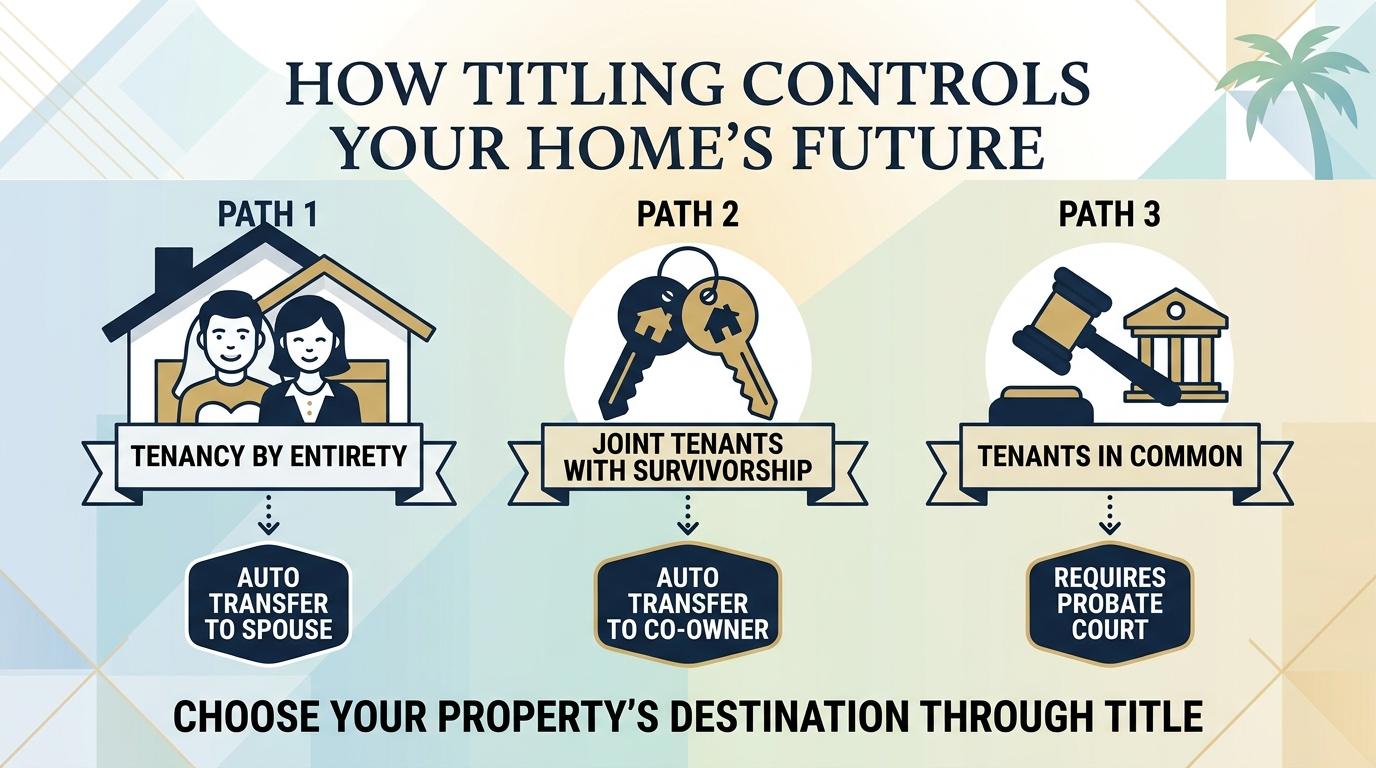
                                 FLORIDA PROPERTY TITLING
                                            │
               ┌────────────────────────────┼────────────────────────────┐
               ▼                            ▼                            ▼
      Tenants in Common         Joint Tenants w/ Survivorship    Tenancy by the Entirety
   (Default for Unmarried)           (Unmarried Co-Owners)             (Married Couples)
               │                            │                            │
               ▼                            ▼                            ▼
       Requires Probate            Bypasses Probate             Bypasses Probate
  (Passes to Deceased's Estate)    (Passes to Surviving Owner)  (Passes to Surviving Spouse)

1. Tenancy by the Entirety (Married Couples)

Under Florida law (F.S. § 689.115), real property jointly acquired by a married couple is legally presumed to be held as Tenancy by the Entirety. Each spouse owns an undivided 100% interest in the entire property. Upon the death of one spouse, full title automatically vests in the surviving spouse outside of probate. Additionally, this form of titling provides strong creditor protection against debt obligations incurred by only one spouse.

2. Joint Tenants with Right of Survivorship (JTWROS)

Frequently used by unmarried co-owners, adult siblings, or parents and children, Joint Tenants with Right of Survivorship explicitly mandates that when one joint owner dies, their ownership share automatically absorbs into the surviving owner’s share. This transfer occurs outside of probate court. However, adding non-spouse co-owners exposes the property to the joint owner’s personal financial liabilities, tax liens, or lawsuits.

3. Tenants in Common (TIC)

Tenants in Common is the default legal ownership structure for unmarried co-owners in Florida unless the deed explicitly specifies otherwise. Each co-owner holds a distinct, separate fractional percentage of the property. When a Tenant in Common dies, their ownership percentage does NOT pass to the surviving co-owner—it becomes part of the deceased person’s probate estate and must be distributed through court according to their Will or Florida’s intestate laws.


Pitfalls of DIY Deed Transfers & Co-Ownership

While deeding real estate directly to family members may seem like a quick alternative to formal estate planning, self-drafted quitclaim deeds frequently cause severe financial and legal consequences:

  1. Title Defects & Clouded Titles: Missing marital status disclosures, incorrect legal descriptions, or improper witness attestations can cloud the title, preventing future sales or requiring costly quiet title lawsuits.
  2. Unintended Tax Consequences: Gifting real estate during your lifetime through a standard quitclaim deed causes the beneficiary to inherit your original tax cost basis. Conversely, inheriting property upon death via a Lady Bird Deed or Trust provides a step-up in cost basis, drastically reducing capital gains taxes when sold.
  3. Creditor & Divorce Exposure: Adding an adult child to your deed gives their creditors, judgment holders, or divorcing spouse a legal claim against your home.
An infographic diagram explaining how property titling structures like Joint Tenants with Right of Survivorship and Tenancy by the Entirety impact probate under Florida law.

Don’t Let an Outdated Deed Dictate Your Family’s Future

A single unreviewed property deed can trigger months of unexpected probate court proceedings, cloud your title, or expose your home to unnecessary tax liabilities. Whether you need to draft an Enhanced Life Estate (Lady Bird) Deed, transfer real estate into a Revocable Living Trust, or audit an existing deed after marriage or divorce, taking action now prevents costly legal disputes later.

Schedule a Property Deed & Titling Audit

Ensure your real estate title is structured to pass seamlessly outside of probate court. Contact Reinfeld Cabrera PA today to review your property deeds with our South Florida legal team.

  • Coral Springs Office: 9625 W. Sample Rd, Coral Springs, FL 33065
  • Direct Line: (954) 866-4878 | Toll-Free: 954-866-HURT
  • Local Practice Coverage: Coral Springs, Fort Lauderdale, Parkland, Tamarac, Margate, and Broward County

Frequently Asked Questions

What is a Florida Lady Bird Deed, and why is it popular in estate planning?

  • An Enhanced Life Estate Deed (Lady Bird Deed) allows a property owner to retain full lifetime control over their property—including the right to sell, mortgage, or revoke the deed—while naming a beneficiary who automatically inherits the real estate upon the owner’s death without probate court involvement.

Does adding my adult child to my deed avoid probate in Florida?

  • Adding an adult child as a Joint Tenant with Right of Survivorship can avoid probate, but it carries significant risk. It subjects your primary residence to your child’s creditors, financial judgments, bankruptcy proceedings, or marital disputes during your lifetime. Utilizing a Revocable Living Trust or Lady Bird Deed is generally a far safer legal alternative.

Do I need to update my deed after getting married or divorced?

  • Yes. Under Florida law, a final decree of divorce automatically converts property held as Tenancy by the Entirety into a Tenants in Common arrangement. Without an updated deed or property settlement agreement, your ex-spouse’s share will no longer pass automatically to you upon death, requiring court probate to settle.

Can I transfer Florida homestead property into a Revocable Living Trust?

  • Yes. Florida homestead real estate can be transferred into a properly drafted Revocable Living Trust without losing homestead tax exemptions or Save Our Homes caps, provided the trust agreement preserves your legal right to reside on the property during your lifetime.

What is the difference between a Quitclaim Deed and a Warranty Deed in Florida?

  • A Warranty Deed provides formal legal guarantees that the grantor holds clear, marketable title free of undisclosed liens or encumbrances. A Quitclaim Deed simply transfers whatever ownership interest the grantor currently holds without any guarantees regarding title quality.

How a Demand Letter Can Resolve Business Disputes Without Going to Court

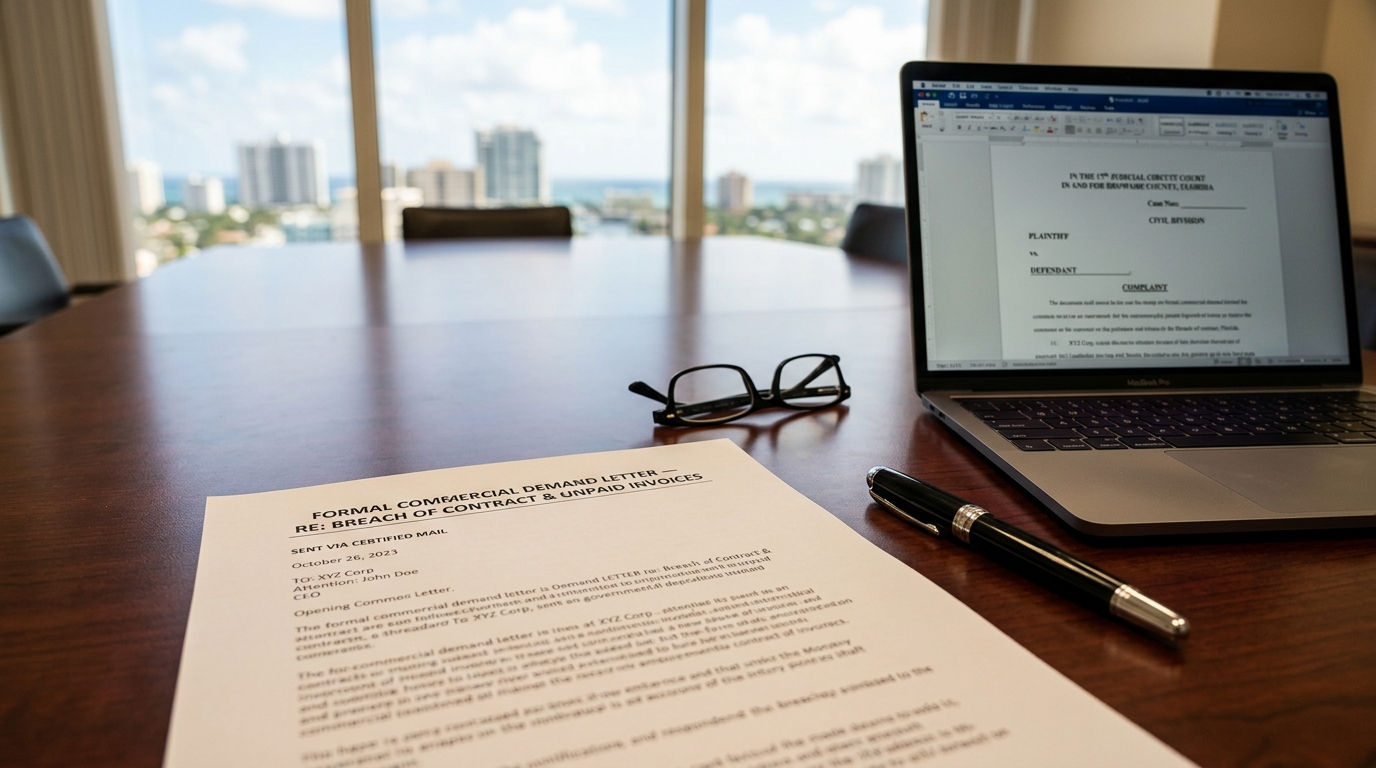
When a commercial contract breaks down, an invoice goes unpaid, or a business partner fails to deliver, rushing straight into a lawsuit is rarely the smartest first move. Litigation in South Florida courts can easily take 12 to 18 months, cost tens of thousands of dollars in legal fees, and permanently destroy valuable commercial relationships.

In many cases, a strategically drafted commercial demand letter from an experienced business attorney is all it takes to enforce your rights, recover owed funds, and force a resolution—saving your business time, capital, and unnecessary stress.


What Is a Commercial Demand Letter?

Quick Answer: A commercial demand letter is a formal legal instrument sent by an attorney outlining a breach of contract or unpaid debt, detailing the exact financial or performance remedy required under Florida law, and setting a firm deadline to comply. It transitions an informal dispute into an active legal matter, establishes an official evidentiary record, and provides maximum settlement leverage before initiating formal court proceedings.


Why Demand Letters Resolve Disputes Effectively

Informal emails, text messages, and phone calls are easy for a non-paying client or defaulting vendor to ignore. However, receiving a formal legal letter on law firm letterhead fundamentally shifts the dynamics of a dispute. It signals that your business has engaged counsel and is fully prepared to take legal action if necessary.

Specifically, a well-crafted demand letter accomplishes four critical objectives:

  1. Establishes an Unassailable Evidentiary Record: It clearly documents the timeline of the deal, the precise contractual terms, the exact nature of the breach, and the total financial damages incurred.
  2. Imposes a Firm Compliance Deadline: Giving the opposing party a strict window (typically 10 to 30 days) forces them to pause, consult with their own legal counsel, and evaluate their potential exposure in court.
  3. Triggers Florida Pre-Suit Statutory Prerequisites: Certain causes of action under Florida law require written pre-suit notice. Sending a formal demand satisfies these prerequisites while preserving your right to claim statutory default interest under Fla. Stat. § 55.03.
  4. Protects Confidentiality: Unlike court pleadings filed in public records, settlement negotiations prompted by a demand letter remain completely private between the parties.

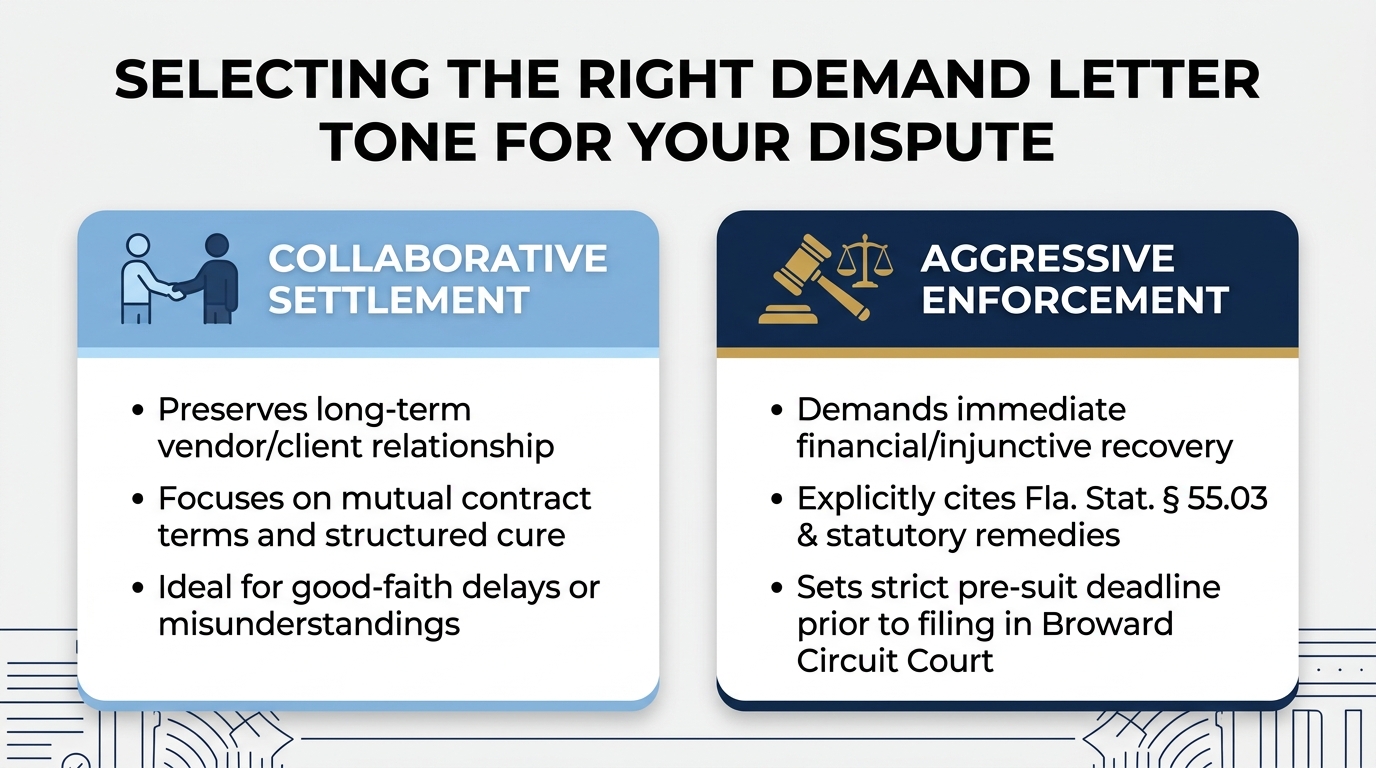
Strategic Tone Selection: Tough vs. Tactful

Before your attorney drafts the letter, you must evaluate one essential question: Do you want to preserve a commercial relationship with this party after the dispute is resolved?

Your business objectives determine the tone and posture of the letter.


┌──────────────────────────────────────────────────────────────────────────┐
│              COMMERCIAL DEMAND LETTER STRATEGIC MATRIX                   │
├────────────────────────────────────┬─────────────────────────────────────┤
│      COLLABORATIVE SETTLEMENT      │        AGGRESSIVE ENFORCEMENT       │
├────────────────────────────────────┼─────────────────────────────────────┤
│ • Objective: Preserve an ongoing   │ • Objective: Rapid financial or     │
│   vendor, client, or partner deal  │   injunctive recovery               │
│ • Focus: Mutual contract terms     │ • Focus: Strict pre-suit notice,    │
│   and structured cure options      │   damages, and statutory remedies   │
│ • Ideal For: Minor delays or       │ • Ideal For: Severe breach, fraud,  │
│   good-faith misunderstandings     │   or persistent non-payment         │
└────────────────────────────────────┴─────────────────────────────────────┘

1. The Collaborative Settlement Approach

If the dispute stems from a temporary cash flow hiccup, operational delay, or honest miscommunication with a long-term partner, an overly aggressive letter can backfire. In such cases, the demand letter adopts a firm yet professional tone. It emphasizes the underlying agreement, specifies the performance gap, and offers workable solutions—such as a structured payment plan—without burning bridges.

2. The Direct Enforcement Approach

Conversely, if you are dealing with intentional contract evasion, fraud, or a debtor refusing to communicate, soft language will yield no results. Consequently, the letter adopts an uncompromising legal stance. It explicitly details statutory causes of action, calculates interest and penalties, attaches supporting exhibits, and gives clear notice that failure to comply will result in an immediate lawsuit filed in local courts like the 17th Judicial Circuit in Broward County.


4 Essential Elements of an Enforceable Florida Demand Letter

To ensure your demand letter commands authority and holds up if the case proceeds to trial, your attorney will structure it with four core components:

1.1. Contractual & Factual Recital: Establishing the factual timeline.

A clear, detailed chronological background outlining the original agreement, purchase orders, or scope of work executed between the parties, alongside specific evidence showing full performance on your part.

2.2. Specific Allegation of Breach: Identifying the exact legal failure.

An explicit accounting of how the opposing party failed to perform, citing specific clauses of the contract, delivery deadlines missed, or unpaid invoices.

3.3. Itemized Statement of Damages: Calculating financial exposure.

A precise breakdown of direct financial losses, incidental expenses, and accrued statutory interest under Fla. Stat. § 55.03, demonstrating exactly what the non-compliance is costing your company.

4.4. Demand for Cure & Litigation Warning: Setting the litigation threshold.

A specific date by which full payment or cure action must occur, accompanied by explicit notice that non-compliance will trigger a civil complaint seeking full damages, court costs, and attorney fees where applicable.


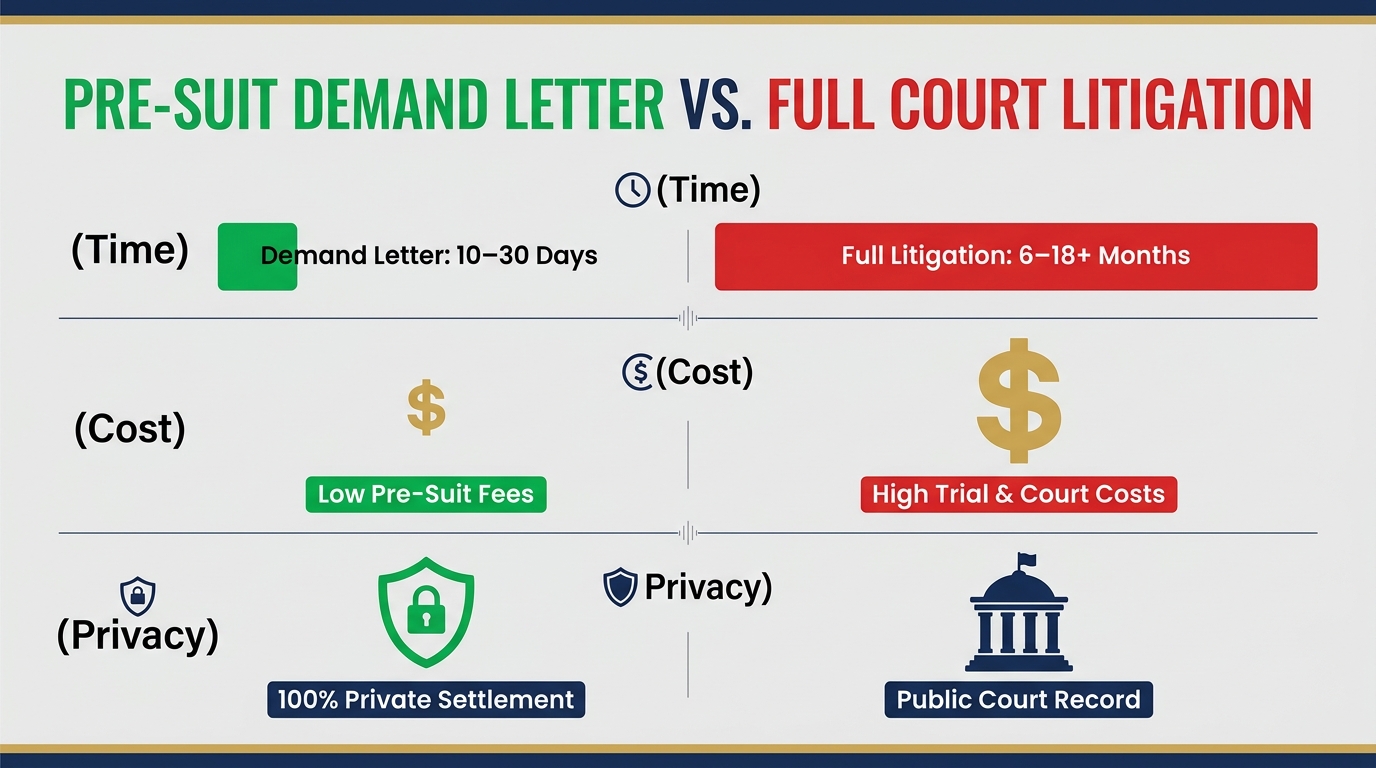
Comparing Dispute Resolution Options

Understanding how a pre-suit demand letter compares to traditional litigation highlights why it should almost always be your first line of defense:

FeatureLegal Demand LetterFull Court Litigation
Time to Resolution10 to 30 Days6 to 18+ Months
Legal CostsLow, Fixed & PredictableHigh (Discovery, Depositions, Trial)
Privacy & Publicity100% PrivatePublic Court Record
Business RelationshipPotential to PreserveAlmost Always Destroyed
Enforcement LeverageHigh (Pre-suit notice & pressure)Binding Court Judgment

Protect Your Business Interests with South Florida Counsel

Allowing unpaid invoices, breach of contract, or vendor default to linger threatens your company’s cash flow and growth. The commercial litigation team at Reinfeld & Cabrera P.A. helps business owners across South Florida resolve complex disputes swiftly through strategic demand letters and aggressive trial representation when required.

Schedule a Commercial Consultation

If your company is facing a contract dispute, unpaid account, or partnership conflict, speak directly with an attorney to evaluate your legal remedies:

  • Direct Line: (954) 866-4878 | Toll-Free: 954-866-HURT
  • Coral Springs Office: 9625 W. Sample Rd, Coral Springs, FL 33065
  • Fort Lauderdale Office: 2933 W. Cypress Creek Rd, Suite 201, Ft. Lauderdale, FL 33309
  • Website: mypersonalattorneys.com
  • Serving: Coral Springs, Fort Lauderdale, Parkland, Tamarac, Margate, and all of Broward, Miami-Dade, and Palm Beach Counties.

Frequently Asked Questions: Florida Commercial Demand Letters

What happens if the other party completely ignores a demand letter?

  • If the receiving party fails to respond or cure the default within the designated deadline (typically 10 to 30 days), your attorney will move forward with filing a formal civil complaint in the appropriate court—such as the 17th Judicial Circuit Court in Broward County or the 11th Judicial Circuit Court in Miami-Dade County. Furthermore, the demand letter serves as key evidence demonstrating that you made a good-faith pre-suit effort to resolve the dispute, which can influence court decisions regarding legal costs and interest.

Can I write and send a demand letter myself without an attorney?

  • While a business owner can technically write their own letter, DIY demand letters rarely carry the legal weight needed to force a settlement. Specifically, letters drafted without counsel often omit necessary statutory citations, fail to properly preserve rights to pre-judgment interest under Fla. Stat. § 55.03, or reveal strategic weaknesses that the opposing party’s legal team can exploit. A formal letter on law firm letterhead demonstrates immediate litigation readiness.

Can a demand letter include a claim for statutory attorney fees in Florida?

  • Yes. Under Florida law, attorney fees are recoverable if explicitly authorized by the underlying contract or by specific Florida statutes, such as Fla. Stat. § 57.105 (sanctions for unsupported claims/defenses) or statutory civil theft claims under Fla. Stat. § 772.11. Consequently, including a specific statutory fee warning in the demand letter significantly increases your settlement leverage.

How much does it cost to have a South Florida lawyer send a demand letter?

  • Drafting and serving a commercial demand letter is typically billed as a predictable flat fee or a few hours of attorney time, making it significantly more cost-effective than initiating full-scale civil litigation. As a result, most South Florida businesses recover their investment many times over through early pre-suit settlements or full debt recovery.

What Makes a Business Contract Enforceable in Florida?

Business owner reviewing a contract with an attorney in Coral Springs, Florida.

A business contract can be 20 pages long, professionally formatted, signed by everyone involved, and still create a serious problem when the parties disagree.

Sometimes the problem is obvious. Someone never signed the agreement. A required term was left blank. The person who signed it did not have authority to bind the company.

Other times, the contract exists and everyone agrees that they signed it. The fight is over what they actually agreed to.

Florida courts deal with these questions regularly. A valid contract generally requires offer, acceptance, consideration, and sufficiently definite essential terms. Courts also look at whether the parties objectively agreed to the terms that matter to the transaction.

That makes contract preparation less about producing an impressive document and more about making sure the agreement actually says what the business intends to do.


What Makes a Contract Enforceable in Florida?

A Florida business contract generally needs several basic ingredients.

There must be an agreement between the parties. There must be consideration, meaning something of legal value exchanged between them. The parties must agree on the essential terms of the transaction, and the agreement must be sufficiently definite for a court to determine what each party was supposed to do.

That last part causes plenty of trouble.

Imagine that two business owners agree that one will provide consulting services to the other for “a reasonable fee.”

They sign a document.

Six months later, they disagree about whether the fee was supposed to be $5,000, $15,000, or a percentage of the company’s revenue.

The signatures do not magically solve the problem.

Florida courts have held that a valid contract requires sufficiently definite essential terms. When the parties leave an essential provision open for future negotiation, a court generally cannot invent that missing term for them.


Does a Business Contract Have to Be in Writing?

Not every contract has to be written in the same way.

The law governing the particular transaction matters.

For example, Florida’s Uniform Commercial Code contains specific requirements for certain sales of goods. A contract for the sale of goods priced at $500 or more generally requires a sufficient record indicating that a contract was made and signed by the party against whom enforcement is sought or that party’s authorized agent, subject to statutory exceptions.

Other transactions can have their own writing requirements.

This is one reason the phrase “we had a verbal agreement” does not answer the legal question by itself.

A conversation can establish an agreement in some circumstances. In others, the law may require a writing, or the absence of a written agreement may make it considerably harder to establish what the parties actually agreed to.

And even when an oral agreement is potentially enforceable, proving its terms can become a miserable exercise in reconstructing conversations from months or years earlier.


What Happens When the Contract Leaves Something Important Out?

This is one of the most common ways a business agreement becomes difficult to enforce.

The parties may agree on the general idea while leaving the details for later.

“We’ll work out the pricing.”

“We’ll decide the delivery schedule later.”

“The parties will agree on a fair renewal rate.”

Those phrases can sound harmless when everyone is getting along.

They become considerably less charming when the parties are no longer getting along.

Florida courts have repeatedly emphasized that essential terms must be sufficiently definite. In Certified Motors, LLC v. Aventine Hill, LLC, the Second District explained that courts do not exist to supply material terms that the parties themselves failed to agree upon.

A 2026 Fourth District decision, McDowell v. Moore, similarly summarized Florida law as requiring offer, acceptance, consideration, and sufficiently definite essential terms for a valid contract.

The lesson for a business owner is fairly practical:

If a term could materially change what either side is supposed to receive, pay, provide, or tolerate, leaving it for later can create a legal problem now.


What Does “Meeting of the Minds” Mean?

You will sometimes hear lawyers talk about a “meeting of the minds.”

The phrase sounds philosophical. The underlying problem is quite ordinary.

Did the parties actually agree on the essential terms of the deal?

Florida’s Supreme Court has explained that mutual assent is necessary for contract formation, although the parties do not have to agree on every incidental detail. The essential terms must be sufficiently agreed upon for an enforceable contract to exist.

Florida courts generally use an objective approach. What the parties communicated and did matters more than what one person privately says they intended.

That can become important when a business owner says:

“That’s obviously not what I meant.”

Maybe it wasn’t.

But if the signed agreement objectively says something else, the dispute may become considerably harder to resolve.


Can an Ambiguous Contract Still Be Enforced?

Yes. Ambiguity does not automatically mean that a contract disappears.

A contract can contain language that requires interpretation without being completely unenforceable.

Florida courts distinguish between genuine ambiguity and language that is simply inconvenient for one party after the deal has gone badly.

When contractual language is clear, courts generally apply the language of the agreement. When language is genuinely ambiguous, surrounding circumstances and other evidence may become relevant to determining its meaning.

That distinction matters for business contracts because ambiguity can turn a relatively straightforward disagreement into a factual dispute.

Consider a simple example.

A contract says a business must deliver equipment “within 30 days.”

Thirty days from what?

The signing date?

The date of the first payment?

The date the buyer provides specifications?

If the rest of the agreement does not answer the question, the parties may end up arguing about something that should have taken one sentence to define.

Good drafting anticipates these ordinary questions.


Who Actually Signed the Contract?

A contract may contain excellent language and still raise a basic question:

Who agreed to it?

Businesses act through people.

An owner, officer, manager, employee, or other representative may sign a document on behalf of a company. The authority of that person can become important if the transaction is later challenged.

The contract should identify the actual parties correctly and make clear, where appropriate, the capacity in which the people are signing.

That becomes particularly important when a business has multiple owners, affiliated companies, subsidiaries, or individuals performing different roles.

A contract between John Smith and ABC Holdings, LLC is not necessarily the same thing as a contract between John Smith personally and ABC Holdings, LLC.

Getting the names and capacities right at the beginning is considerably easier than explaining them after a dispute has started.


Do Electronic Signatures Count in Florida?

Yes.

Florida’s Uniform Electronic Transaction Act provides that an electronic signature may be used to sign a writing and generally has the same force and effect as a written signature. Florida law also provides that a contract or record cannot be denied legal effect solely because it was created or signed electronically.

That means a business does not generally need to print every agreement, sign it with a pen, scan it, and email it back simply to make the signature legally meaningful.

The more important questions are whether the electronic record accurately reflects the agreement and whether the person who signed had authority to do so.

Business contract terms being reviewed for enforceability under Florida law.

What Contract Terms Deserve Particular Attention?

There is no universal checklist that makes every business contract enforceable. Different transactions require different provisions.

Still, several subjects deserve deliberate treatment.

Payment

State the amount or method for calculating it, when payment is due, and what happens if payment is late.

Performance

Define what each party is actually required to provide.

Deadlines

If timing matters, identify the relevant dates or provide an objective method for determining them.

Termination

Explain how the relationship can end and what happens to outstanding obligations afterward.

Breach

The agreement can establish consequences for failing to perform, subject to applicable law.

Dispute resolution

Some contracts contain mediation or arbitration provisions. Florida law recognizes written agreements to arbitrate and provides mechanisms for enforcing them.

Attorney’s fees

A contract may address attorney’s fees, but the enforceability and scope of such provisions depend on the agreement and applicable law. An attorney should review the provision rather than assuming that a sentence saying “loser pays” automatically settles the issue.

Governing law and venue

Businesses sometimes want the agreement to specify which state’s law applies or where disputes will be handled. Florida has specific statutory rules governing contractual choice-of-law provisions in qualifying transactions.

These provisions deserve attention before signing, when the parties still have an opportunity to negotiate them.


Can a Contract Be Enforceable Even If It Is Not Perfect?

Yes.

A business contract does not need to predict every possible event for a court to enforce it.

Business relationships are messy. People change plans. Deliveries arrive late. Customers cancel orders. Employees leave. Markets move. Someone misunderstands an email.

The goal is not to create a document that eliminates uncertainty from commercial life.

The goal is to establish enough clear agreement that the parties and, if necessary, a court can determine what the parties actually promised to do.

Florida courts have recognized that not every detail must be fixed in advance. The critical issue is whether the parties agreed on the essential terms with enough certainty to create an enforceable obligation.


What If the Contract Is Already Signed?

Signing does not necessarily end the legal analysis.

If a dispute has already developed, the first step is usually to examine the agreement itself alongside the surrounding documents and communications.

That may include:

  • The original contract
  • Amendments and addenda
  • Invoices
  • Emails
  • Text messages
  • Purchase orders
  • Delivery records
  • Payment records
  • Corporate records
  • Documents showing who had authority to sign
  • Evidence of how the parties actually performed under the agreement

A contract dispute rarely exists in isolation from the business relationship that produced it.

The written agreement is usually the starting point. The surrounding evidence can become important when the parties disagree about formation, meaning, performance, or modification.


A Contract Does Not Have to Be Long to Be Good

There is a temptation in business to treat contract length as a measure of seriousness.

It isn’t.

A 40-page agreement can contain an enormous amount of unnecessary language while leaving one critical commercial term unclear.

A five-page agreement can sometimes describe a transaction perfectly well.

The useful question is whether the contract clearly addresses the transaction the parties are actually entering into.

If a company is paying $50,000 for a defined service, the agreement should make clear what the company receives, what the other party must provide, when performance occurs, when payment is due, and what happens if either side fails to perform.

That is contract drafting with a purpose.

Business owner reviewing an electronic contract and signature in South Florida.

Business Contracts in Coral Springs and Broward County

For businesses in Coral Springs, contracts can govern relationships with customers, vendors, contractors, partners, landlords, employees, and other businesses.

The same principles apply throughout Broward County and South Florida, although the legal issues can vary considerably depending on the transaction.

A small Coral Springs company negotiating a vendor agreement does not necessarily face the same issues as a business acquiring another company or entering into a long-term commercial lease.

The agreement should reflect the transaction that actually exists.

That sounds obvious.

It is also something that becomes surprisingly easy to forget when a business starts with an old template, changes a few names and numbers, and assumes the rest will take care of itself.


Frequently Asked Questions

What makes a business contract enforceable in Florida?

  • A valid contract generally requires offer, acceptance, consideration, and sufficiently definite essential terms. The parties must objectively agree to the essential elements of the transaction, and other legal requirements may apply depending on the type of agreement.

Does a business contract have to be in writing in Florida?

  • Not every contract has the same writing requirement. Certain transactions are subject to specific statutes requiring a written record. For example, Florida’s UCC generally requires a sufficient signed record for covered sales of goods priced at $500 or more, subject to statutory exceptions.

Can an electronic signature make a business contract enforceable in Florida?

  • Generally, yes. Florida law gives qualifying electronic signatures the same force and effect as written signatures and recognizes electronic contracts and records.

What happens if a business contract leaves out an important term?

  • If the missing term is essential to the agreement and the parties never agreed on it, the contract may be unenforceable or a particular provision may fail. Florida courts generally will not create a material term that the parties themselves never agreed upon.

Can an ambiguous business contract still be enforced?

  • Sometimes. Ambiguity does not automatically invalidate a contract. Courts may interpret genuinely ambiguous language using applicable rules of contract construction and, in appropriate circumstances, evidence concerning the surrounding circumstances.

Can a contract include an arbitration requirement?

  • Yes. Florida law recognizes written agreements to arbitrate and provides procedures for enforcing arbitration agreements. The precise effect of an arbitration clause depends on its language and the circumstances of the dispute.

Talk With a Florida Business Attorney Before a Contract Becomes a Dispute

A business contract should give the parties a clear understanding of what they have agreed to do.

If the agreement leaves essential terms unresolved, identifies the wrong parties, creates conflicting obligations, or uses language that can reasonably be interpreted in different ways, the problem may not become visible until someone wants to enforce the contract.

Reinfeld & Cabrera, P.A. represents businesses in Coral Springs, Broward County, and throughout South Florida in contract matters and business disputes.

If you are negotiating a significant business agreement or dealing with a contract that is already creating problems, an attorney can review the agreement and explain the legal issues that may affect its enforcement.


This article provides general information about Florida contract law and is not legal advice concerning a particular agreement or business dispute.

Why Commercial Litigation is Desperately Needed

Commercial-Litigation

Before you have a complicated commercial dispute arise, you need to have the commercial litigation attorneys from Reinfeld & Cabrera’s Coral Springs office on your side. We will represent your interests in the courtroom, if necessary, or even during negotiations. Most litigation can be headed off by having your commercial contracts properly reviewed before signing them.

We are experienced commercial litigation attorneys and we will deliver a comprehensive approach to representing you, even in the most complex commercial issues. In today’s competitive business world, you need commercial litigation attorneys who will protect your rights and interests, and you will find us in our Coral Springs office.

You don’t want to be caught in a business dispute without having commercial litigation attorneys to represent you. Reinfeld & Cabrera’s Coral Springs office attorneys will make sure they contribute to your company’s success by providing sound and beneficial advice, guiding you through Florida’s commercial and business laws.

Whether you are looking to form a business partnership or limited liability, or draft partnership, shareholder, or operating agreements, our commercial litigation attorneys in Coral Springs will bring their knowledge and experience to the table. We can also help you with collections of account receivables, any breaches of contract, contract negotiation and preparation and sales disputes and litigations.

We have experience representing all sized business, so it does not matter if you are a new start-up or a well-established multinational corporation, our commercial litigation attorneys in Coral Springs will be able to provide appropriate and valuable counsel.

So whether you are an entrepreneur looking to establish and build your company, or need help resolving a commercial dispute involving your already established company, we are the commercial litigation attorneys for you.

What Happens When a Beneficiary Dies Before the Estate Is Distributed?

Inheritance documents awaiting estate distribution after a beneficiary dies

The answer depends on when the beneficiary died, the language of the will, the beneficiary’s relationship to the person who died, and whether the beneficiary had already acquired a legal interest in the inheritance.

This situation can become complicated during Florida probate. A beneficiary may die while the estate is still being administered, leaving the personal representative and the surviving beneficiaries with an important question: Who is now entitled to receive that beneficiary’s share?

The answer is not always the beneficiary’s children, and the inheritance does not automatically return to the estate of the person who originally died.


What Happens When a Beneficiary Dies During Probate?

The first question is when the beneficiary died in relation to the person whose estate is being administered.

There is an important legal difference between a beneficiary who dies before the decedent and one who survives the decedent but dies before receiving an inheritance.

Those situations can produce different results under Florida law.

If the beneficiary survived the decedent, the beneficiary may have acquired an interest in the estate even though the probate case had not yet been completed. If that happens, the beneficiary’s own estate may become involved in receiving and administering that interest.

By contrast, if the beneficiary died before the decedent, Florida’s anti-lapse rules may determine whether the gift passes to certain descendants or otherwise fails under the terms of the will.


What If a Beneficiary Dies Before Receiving an Inheritance?

A common misconception is that an inheritance does not belong to a beneficiary until the personal representative actually writes the check or transfers the property.

That is not necessarily how probate works.

When a beneficiary survives the person who created the will, the legal treatment of that beneficiary’s interest can be different from the situation in which the beneficiary predeceases the decedent. The fact that distribution has not yet occurred does not by itself answer who ultimately receives the property.

The personal representative may therefore need to determine whether the deceased beneficiary’s interest must be distributed to the beneficiary’s estate.

This is one reason the question “what happens if a beneficiary dies before probate is complete?” cannot be answered with a single rule.


What If the Beneficiary Survived the Decedent?

This is one of the most important distinctions.

Suppose Maria leaves $100,000 to her son David in her will. Maria dies, and her probate estate is opened. David is alive when Maria dies, but he dies several months later while the probate case is still pending.

The fact that David died before receiving the $100,000 does not necessarily mean the gift disappears.

Depending on the circumstances and the terms of Maria’s will, David’s interest may become part of his own estate. His personal representative may then have to address that inheritance as part of David’s estate administration.

That can introduce a second probate or estate administration process.

The personal representative of Maria’s estate may therefore need to coordinate with the representative of David’s estate before the inheritance can be distributed.


What If the Beneficiary Died Before the Person Who Made the Will?

The situation can be different when a beneficiary dies before the testator.

For example, imagine that Maria’s will leaves her estate to her son David, but David dies before Maria. Maria later dies without changing her will.

Florida’s anti-lapse statute can sometimes preserve a gift to a deceased beneficiary’s descendants rather than allowing the gift to lapse. Florida Statutes section 732.603 applies to certain devisees who are relatives of the testator and who leave descendants who survive the testator. The statute also contains exceptions and conditions that can affect whether the rule applies.

This means that a beneficiary’s children do not automatically inherit every time a named beneficiary dies first.

The relationship between the deceased beneficiary and the testator matters. So does the language of the will.


How Does Florida’s Anti-Lapse Law Work?

Florida’s anti-lapse statute is designed to address certain situations in which a person named to receive property under a will dies before the testator.

Under section 732.603, a devise to certain relatives of the testator does not necessarily lapse merely because the named beneficiary dies before the testator. When the statutory requirements are satisfied, the deceased beneficiary’s descendants may take the property in the manner provided by the statute.

But anti-lapse rules should not be treated as a universal substitute-beneficiary provision.

The statute has specific requirements concerning the relationship between the testator and beneficiary, the beneficiary’s descendants, and survival. The will itself can also contain language that affects the outcome.

For that reason, determining whether Florida’s anti-lapse law applies requires examining the actual estate planning documents and the family relationships involved.


Does the Inheritance Go to the Beneficiary’s Children?

Not automatically.

Whether a deceased beneficiary’s children receive the inheritance depends on the circumstances.

If the beneficiary died before the testator, Florida’s anti-lapse statute may allow certain descendants to receive the gift.

If the beneficiary survived the testator and then died during probate, the analysis can be different. The beneficiary’s interest may instead become part of the beneficiary’s own estate, depending on the nature of the property interest and the governing documents.

The distinction is critical.

Simply knowing that “the beneficiary died” is not enough to determine what happens next.


Family members reviewing inheritance documents after a beneficiary’s death

What Happens to the Deceased Beneficiary’s Estate?

When a beneficiary survives the original decedent but dies before receiving the inheritance, the beneficiary’s own estate may become relevant.

The inheritance may need to be administered alongside the beneficiary’s other assets. The beneficiary’s will, if there is one, may affect who ultimately receives the property. If there is no valid will, the beneficiary’s estate may instead be distributed under the applicable intestacy rules.

This can create a situation in which one estate is effectively waiting for another estate to be administered.

For example, the personal representative of the first estate may need documentation establishing who has authority to act for the deceased beneficiary’s estate before completing distribution.


What If the Will Names a Backup Beneficiary?

Some wills specifically address what happens if a beneficiary dies.

A will might provide that if a named beneficiary does not survive the testator, the property goes to another person or group of people. Other wills may contain language creating a substitute gift or otherwise addressing descendants.

These provisions can change the analysis significantly.

This is why the will should be reviewed before relying on a general rule about a beneficiary who dies before receiving an inheritance.

A specific provision in the will may provide a different result from what would happen under the default statutory rules.


What Does the Personal Representative Need to Do?

The personal representative is responsible for administering the estate according to the will and Florida law.

When a beneficiary dies during administration, the personal representative may need to determine:

  • When the beneficiary died
  • Whether the beneficiary survived the decedent
  • Whether the will contains a substitute beneficiary provision
  • Whether Florida’s anti-lapse statute applies
  • Whether the beneficiary had already acquired an interest in the estate
  • Whether the beneficiary left a will
  • Who has authority to represent the beneficiary’s estate
  • Whether additional court filings are necessary
  • Whether the distribution should be delayed until the issue is resolved

The personal representative should not simply assume that the deceased beneficiary’s share goes to the beneficiary’s children or surviving relatives.

The correct result depends on the facts and governing documents.


Can a Beneficiary’s Death Delay Probate?

Yes.

A beneficiary’s death can complicate or delay an estate administration, particularly when the deceased beneficiary’s estate must become involved.

The personal representative may need additional documentation, court orders, or information about the beneficiary’s heirs or estate. If family members disagree about who should receive the deceased beneficiary’s share, the issue can become contested.

This is one reason a probate case can remain open even after the major assets and beneficiaries initially appear to have been identified.


What If Family Members Disagree About the Inheritance?

Disputes can arise when different family members interpret a will differently or disagree about whether an anti-lapse provision applies.

For example, one relative might argue that the deceased beneficiary’s children should receive the inheritance, while another argues that the property should pass under a different provision of the will.

The personal representative may need to seek legal guidance or court involvement rather than making the distribution based on an informal family agreement.

A disputed inheritance can also become more complicated when the deceased beneficiary had creditors, a separate probate estate, or competing heirs.


What Happens When a Beneficiary Dies Before the Estate Is Distributed in Florida?

There is no single answer for every Florida probate case.

If the beneficiary died before the decedent, Florida’s anti-lapse statute may apply in certain circumstances.

If the beneficiary survived the decedent but died before receiving the inheritance, the beneficiary’s interest may instead become part of the beneficiary’s own estate.

The will, the timing of the deaths, the relationship between the people involved, and the nature of the property all matter.

That is why a personal representative should determine the legal status of the beneficiary’s interest before distributing the estate.


Frequently Asked Questions

What happens if a beneficiary dies before probate is complete?

  • It depends on whether the beneficiary survived the person whose estate is being administered. If the beneficiary survived the decedent and later died during probate, the beneficiary’s interest may need to be handled through the beneficiary’s own estate. If the beneficiary died first, Florida’s anti-lapse rules may apply in certain circumstances.

Are heirs responsible for a deceased beneficiary’s inheritance?

  • Not necessarily. An inheritance may become part of the deceased beneficiary’s estate, and the people ultimately entitled to receive it can depend on the beneficiary’s will or Florida intestacy law.

Does a deceased beneficiary’s estate receive the inheritance?

  • When a beneficiary survives the original decedent but dies before distribution, the beneficiary’s estate may have a claim to the beneficiary’s share. The specific result depends on the nature of the interest, the will, and the circumstances of the estate.

Does Florida’s anti-lapse statute apply whenever a beneficiary dies?

  • No. Florida’s anti-lapse statute contains specific requirements and applies to certain circumstances involving beneficiaries who die before the testator. The statute should be reviewed together with the will and the family relationships involved.

Do the beneficiary’s children automatically inherit?

  • No. The beneficiary’s children do not automatically inherit simply because their parent died. They may receive property under Florida’s anti-lapse statute in qualifying circumstances, or they may inherit through their parent’s estate under different circumstances.

Can a beneficiary’s death create another probate case?

  • It can. If a beneficiary survives the original decedent and later dies while entitled to receive property, the beneficiary’s estate may need to administer that interest.

What should a personal representative do when a beneficiary dies?

  • The personal representative should establish when the beneficiary died. He needs to review the will, determine whether the beneficiary survived the decedent, identify any applicable substitute-beneficiary or anti-lapse provisions. He then needs to determine who has legal authority to receive or administer the beneficiary’s interest.